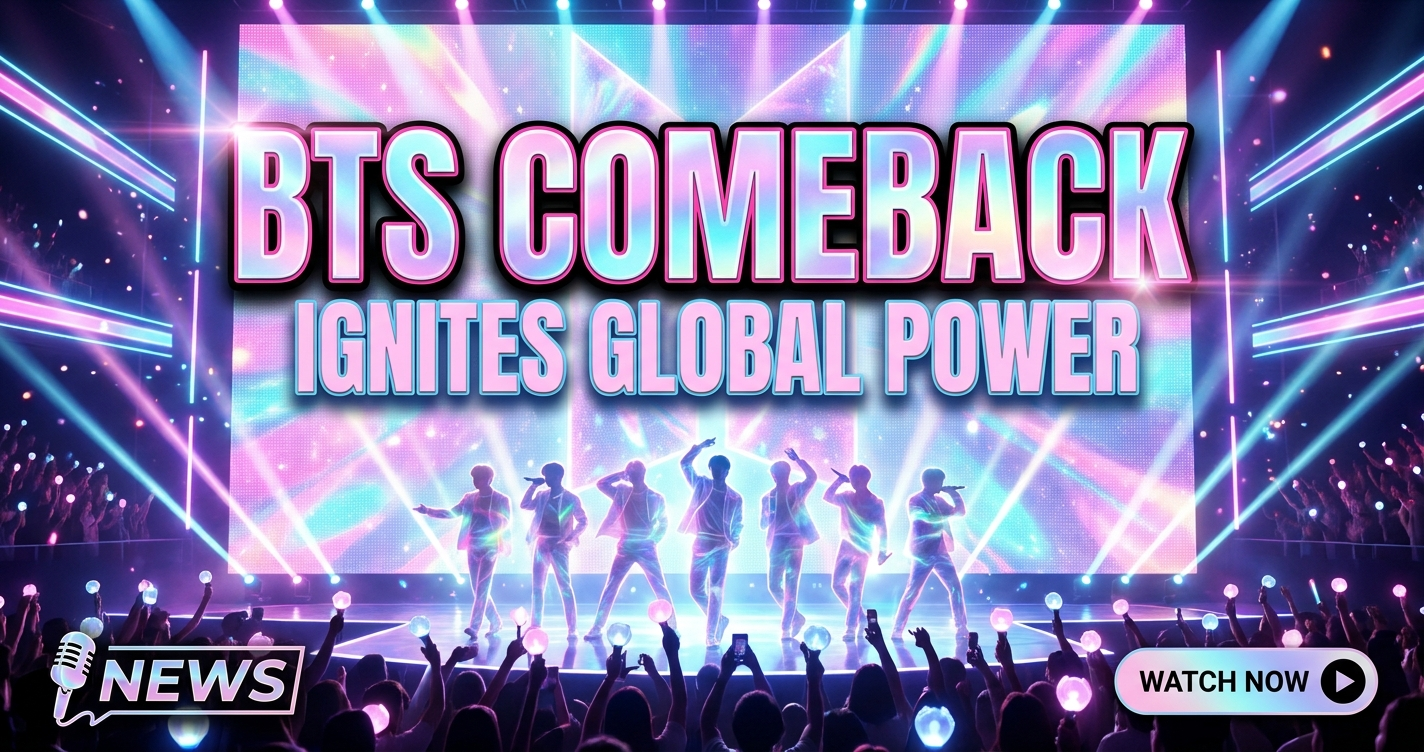
BTS Comeback: Beyond the Stage, A Geopolitical Play for South Korea’s Global Influence
The global entertainment landscape is once again buzzing with an intensity reserved for only a handful of acts. K-pop titans BTS are back, and their highly anticipated comeback tour is more than just a series of concerts. It’s a seismic event, an economic boom, and a strategic masterstroke in South Korea’s relentless pursuit of global soft power. At DailyDrama.com, we’ve tracked Hallyu’s rise for decades, and what BTS represents now is unprecedented – a cultural juggernaut that has transcended music to become a symbol of national identity and diplomatic prowess.
With an estimated 30 million fans globally, affectionately known as the ARMY, BTS isn’t just the most visible face of Hallyu; they are its most potent weapon. Their return, after a period of individual pursuits and mandatory military service, isn’t merely a reunion; it’s a reassertion of dominance, a cultural reset poised to rally South Korea’s ambitious global agenda. This isn’t just about topping charts; it’s about shaping perceptions, driving tourism, and cementing a nation’s influence on the world stage through the universal language of pop culture.
The Unstoppable Force: BTS’s Unrivaled Global Impact
From their humble beginnings in 2013, BTS – RM, Jin, Suga, J-Hope, Jimin, V, and Jungkook – embarked on a journey that few, even within the cutthroat K-pop industry, could have predicted. They broke barriers, shattered records, and redefined what it means to be a global music phenomenon. Their impact isn’t just measured in album sales or streaming numbers; it’s seen in their addresses at the United Nations, their White House visits, and their groundbreaking Grammy nominations, which, while not leading to a win, irrevocably altered the Western music industry’s perception of non-English acts.
What sets BTS apart, and what makes their comeback so significant, is the depth of their connection with the ARMY. This isn’t passive fandom; it’s an active, mobilized community that engages with their music, messages of self-love and social consciousness, and even their philanthropic efforts. Industry analysts have often pointed out that the loyalty and organizational power of the ARMY are unparalleled, creating a self-sustaining ecosystem that amplifies BTS’s reach far beyond traditional marketing. This organic, grassroots global appeal is precisely what makes them such a valuable asset in the soft power game.
Hallyu’s Evolution: From Regional Trend to Global Phenomenon
The concept of “Hallyu,” or the Korean Wave, began modestly in the late 1990s with TV dramas and pop music gaining traction in East Asia. We saw early pioneers like BoA and TVXQ making inroads, followed by the explosion of groups like Girls’ Generation and Super Junior. But it was PSY’s “Gangnam Style” in 2012 that first truly cracked the global code, demonstrating K-pop’s viral potential. Yet, even PSY’s momentary triumph pales in comparison to the sustained, multifaceted cultural penetration achieved by BTS.
Today, Hallyu isn’t just K-pop. It encompasses critically acclaimed films like Bong Joon-ho’s Oscar-winning Parasite, Netflix behemoths like Squid Game, the global dominance of K-beauty products, and the rising popularity of Korean cuisine. This comprehensive cultural export strategy is no accident. Sources close to the Ministry of Culture, Sports and Tourism have long indicated a concerted government effort to support and leverage these cultural assets, understanding their immense economic and diplomatic value. BTS, in this grand scheme, is the most potent ambassador, opening doors and hearts worldwide.
The Economic Engine and Diplomatic Dividend
The economic ramifications of a BTS comeback are staggering. Beyond concert ticket sales and merchandise, the ripple effect extends to tourism, brand endorsements, and the entire ecosystem of related industries. A study by the Hyundai Research Institute once estimated that BTS contributes billions annually to the South Korean economy – a figure that has likely only grown. Their influence draws millions of international visitors eager to experience the culture that birthed their idols.
But the value extends far beyond economics. This is about cultural diplomacy. When BTS speaks at the UN about youth empowerment, or collaborates with global initiatives, they are not just pop stars; they are de facto diplomats, projecting a modern, dynamic, and forward-thinking image of South Korea. This subtle yet powerful form of influence can foster goodwill, improve international relations, and even enhance a nation’s geopolitical standing – a concept that governments worldwide are increasingly recognizing and attempting to replicate.
What’s Next: Sustaining the Wave and Setting New Standards
As BTS embarks on this new chapter, the entertainment world watches closely. Their ability to consistently reinvent themselves, maintain their authentic connection with fans, and navigate the pressures of global superstardom will continue to set benchmarks for the industry. For South Korea, the challenge will be to sustain this momentum, nurturing the next generation of Hallyu stars – from groups like BLACKPINK and NewJeans to Stray Kids – while ensuring the cultural wave continues to diversify and deepen its global roots.
The BTS comeback is more than just music; it’s a masterclass in cultural influence, a testament to the power of authentic artistry, and a clear signal that South Korea’s soft power drive is not just rallying, but accelerating. Watch for new collaborations, further global initiatives, and undoubtedly, more shattered records. The Kings of K-pop are back, and the world is their stage.