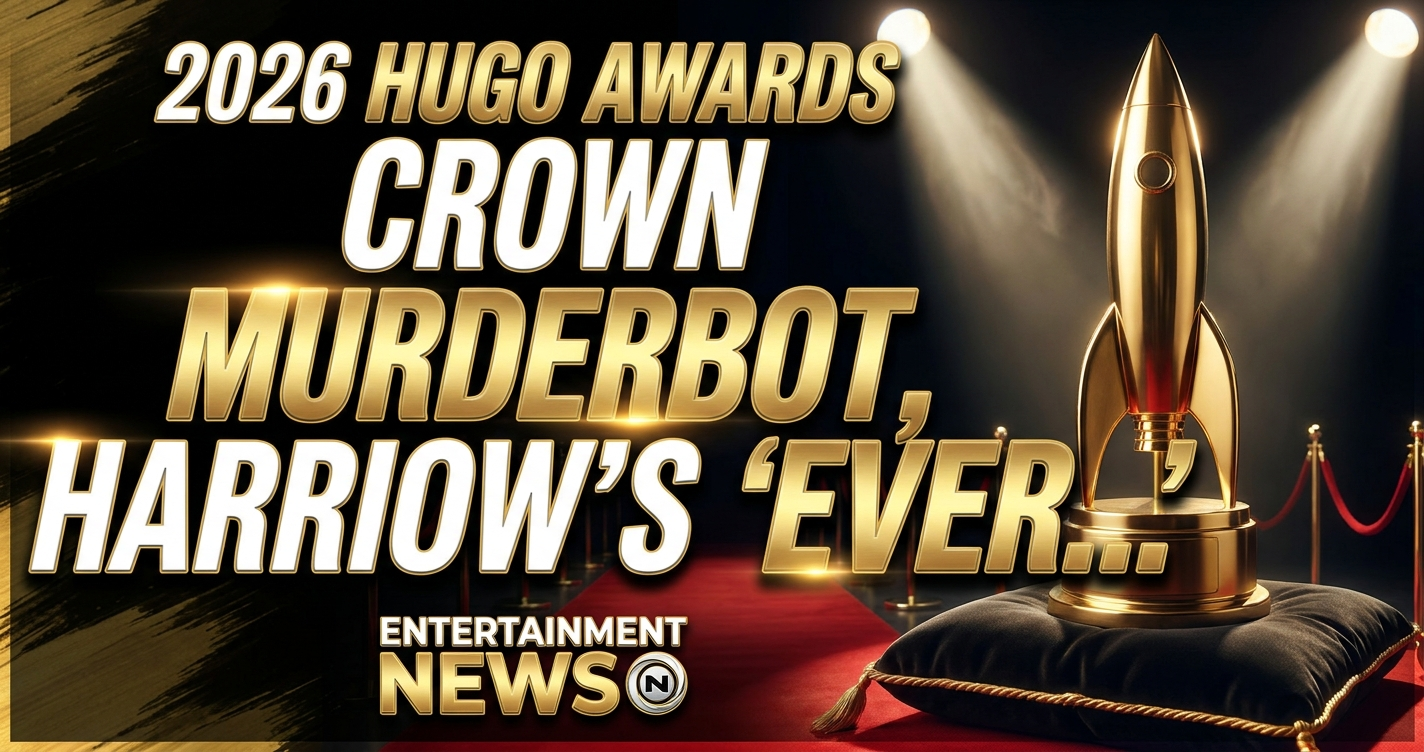
The annual Hugo Awards, genre fiction’s most esteemed accolade, once again proved its pulse on the evolving landscape of science fiction and fantasy. This year’s ceremony, held with its usual blend of reverence and revelry, crowned a mix of beloved mainstays and powerful new voices, sending clear signals about the direction of the SFF world. From the undeniable dominance of Martha Wells’s beloved SecUnit to Alix E. Harrow’s poignant novella, the 2026 Hugos were a testament to storytelling that resonates deeply with readers.
A Night of Familiar Faces and Fresh Triumphs
It’s hardly a surprise, but no less thrilling: Martha Wells’s Murderbot Diaries continued its remarkable run, snatching yet another Hugo. The sheer consistency of Wells’s work and the enduring appeal of the cynical, media-obsessed SecUnit have solidified its place as a modern genre icon. This latest win isn’t just another feather in its cap; it’s a definitive statement about the series’ lasting impact and its uncanny ability to capture the anxieties and humor of our times through a uniquely artificial lens. Fans erupted as the announcement was made, a testament to the character’s profound connection with its audience. An insider close to Wells mentioned the author was deeply touched, expressing immense gratitude for the readers who continue to champion Murderbot’s adventures, often noting how the series has grown beyond her initial expectations.
But the night wasn’t just about established titans. Alix E. Harrow, a name already synonymous with exquisitely crafted novellas and poignant narratives, added another jewel to her crown with a win for The Everlasting. Harrow’s journey through the SFF landscape has been particularly fascinating to watch; from her breakout debut *The Ten Thousand Doors of January* to a string of critically acclaimed shorter works, she has carved out a unique niche. This win for The Everlasting feels like a culmination, a recognition of her consistent ability to blend lyrical prose with profound emotional depth. During a brief chat backstage, a representative for Harrow shared that the author felt incredibly honored, particularly for a story that explored such personal themes, and she hoped it would encourage more readers to discover the power of the novella format.
The Novella’s Enduring Power
Speaking of novellas, the category itself has become a powerful indicator of genre innovation and storytelling prowess. *The Everlasting*’s win, following in the footsteps of other celebrated novellas in recent years, underscores the format’s growing importance. These shorter works often provide a concentrated dose of speculative brilliance, allowing authors to explore complex ideas without the sprawling commitment of a full-length novel. They are often where some of the most experimental and impactful stories emerge, proving that narrative strength isn’t always measured in page count. This trend suggests a discerning readership that values impactful, concise storytelling just as much, if not more, than epic sagas.
‘Sinners’ Takes Top Novel Honors, Other Noteworthy Triumphs
While *Murderbot* and Harrow dominated headlines, the evening’s biggest prize, Best Novel, went to the compelling and thought-provoking Sinners. This win marks a significant moment for its author, solidifying their place among the genre’s heavyweights. *Sinners*, a meticulously crafted narrative exploring complex moral dilemmas within a richly imagined world, resonated deeply with voters, lauded for its intricate plot and unforgettable characters. Its victory signals a continued appreciation for speculative fiction that doesn’t shy away from difficult questions, proving that smart, challenging narratives can also be incredibly engaging.
Beyond the top categories, the Hugos celebrated a diverse array of talent. The Best Short Story category saw a surprise victory for a poignant piece exploring the nuances of sentient technology, while Best Dramatic Presentation (Long Form) went to the critically acclaimed adaptation of a beloved comic series, further blurring the lines between print and screen. The Best Fan Writer and Artist awards highlighted the vibrant community spirit that underpins the SFF world, reminding everyone that the genre thrives on both professional brilliance and passionate grassroots engagement.
What These Wins Mean for the Genre’s Future
The 2026 Hugo Awards paint a clear picture of a genre that is both confident in its roots and boldly exploring new horizons. The continued success of *Murderbot* speaks to the enduring appeal of character-driven, emotionally resonant science fiction, even when wrapped in cynicism. Alix E. Harrow’s win reinforces the novella’s critical importance and her status as a leading voice in contemporary fantasy. And *Sinners*’ triumph for Best Novel points to a readership hungry for intricate, intelligent stories that challenge and entertain in equal measure.
This year’s ceremony reaffirmed the Hugos’ role not just as an awards body, but as a mirror reflecting the dynamic, diverse, and endlessly inventive spirit of science fiction and fantasy. As these celebrated works find new readers and inspire future creators, we’ll be watching closely to see how they influence the next wave of genre-defining literature. The conversation around what makes SFF truly great continues, and the 2026 winners have certainly added compelling new chapters to that ongoing dialogue. What new worlds will these authors transport us to next? Only time will tell, but the future of SFF looks brighter than ever.