The Unspoken Words of a King: Chadwick Boseman’s Enduring Legacy
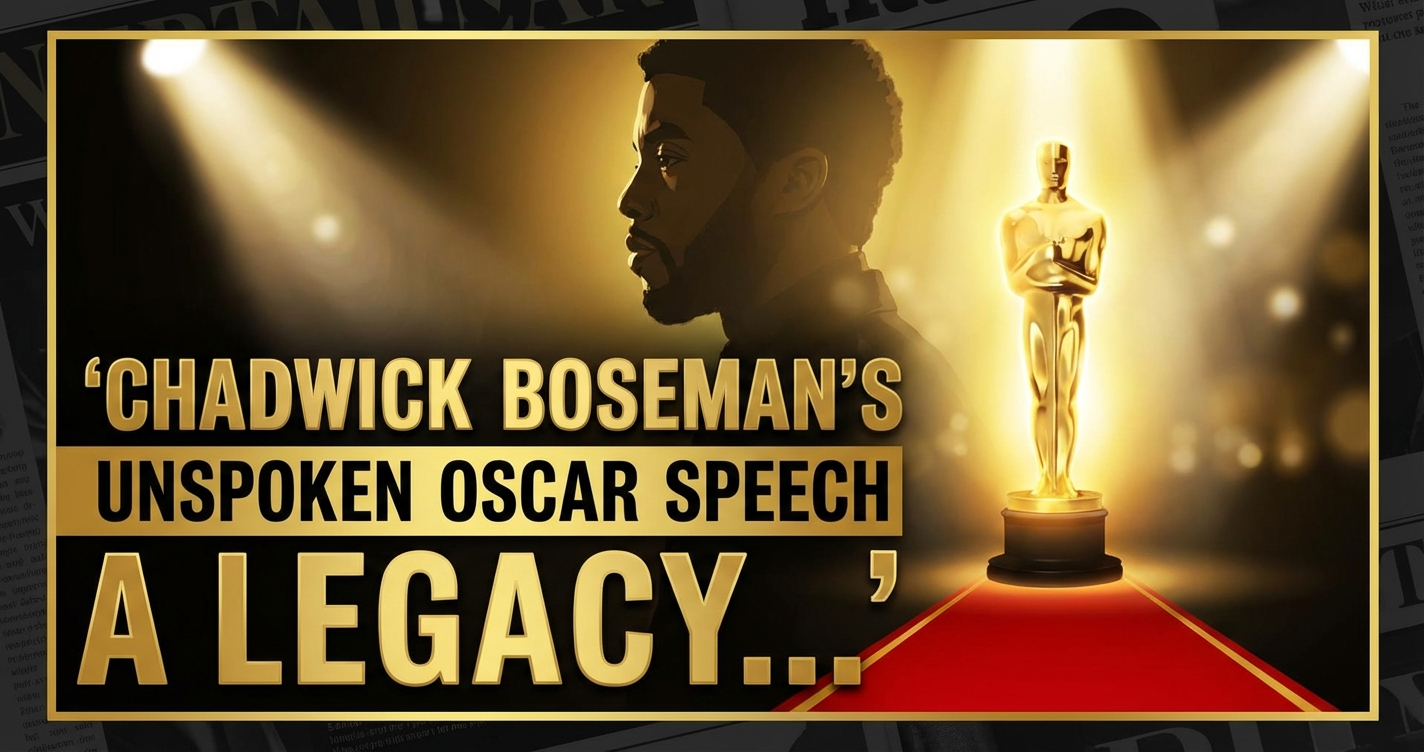
Hollywood is a town built on stories, but some narratives resonate far beyond the silver screen, touching the very soul of the industry and its audience. The recent revelation from Simone Ledward Boseman, widow of the late, incomparable Chadwick Boseman, that her husband had meticulously prepared an acceptance speech for a major award, likely the Academy Awards, offers a poignant, heartbreaking glimpse into the mind of a man whose light was extinguished far too soon. It’s a moment that reminds us not only of his immense talent but also of the profound intentions he carried, even in the face of his secret battle.
While the full contents of this speech remain private, the mere existence of it speaks volumes. It underscores the quiet dignity and thoughtful approach Boseman brought to every aspect of his life and career, right up to his final, towering performance in Ma Rainey’s Black Bottom. For a man who embodied heroes on screen, this posthumous insight into his prepared words solidifies his status as a true visionary, one who understood the weight and responsibility of his platform.
The Echo of a Vision: What an Unspoken Speech Reveals
The notion of a prepared, yet undelivered, acceptance speech for an Oscar-level honor is incredibly powerful. It suggests a man who was not only grateful for recognition but deeply cognizant of the message he wished to convey. In an industry often criticized for its superficiality, Boseman consistently transcended the glitz, using his roles and his voice to champion authenticity, strength, and representation. One can only imagine the grace, humility, and conviction that would have flowed from his lips on that stage.
His widow’s decision to share this detail, even in broad strokes, provides a rare window into his private hopes and aspirations. It hints at what he might have said to his peers, to his fans, and to the younger generation he inspired. It’s not just about winning an award; it’s about the opportunity to speak to the world, to affirm values, and to acknowledge the journey. This revelation adds another layer to the already rich tapestry of the Chadwick Boseman legacy, cementing his image as an artist deeply connected to his purpose.
A King’s Final Bow: The Path to Posthumous Acclaim
Chadwick Boseman’s career was a masterclass in versatility and impact. From his breakout as Jackie Robinson in 42, through his powerful portrayal of James Brown in Get On Up, to the legal brilliance of Thurgood Marshall, he consistently chose roles that were not only challenging but culturally significant. Then came Black Panther, a seismic event that reshaped the superhero genre and delivered a profound message of Black excellence and global interconnectedness.
It was his searing final performance as Levee Green in George C. Wolfe’s adaptation of August Wilson’s Ma Rainey’s Black Bottom that truly cemented his posthumous acclaim. The film garnered him widespread critical praise, leading to a Golden Globe win for Best Actor in a Motion Picture – Drama, and a Screen Actors Guild Award for Outstanding Performance by a Male Actor in a Leading Role. These significant wins, achieved after his passing, underscored the immense talent lost. The Oscar nomination that followed, while ultimately not a win, was a moment of collective industry recognition of a performance that burned with an unforgettable intensity, a testament to his dedication even while battling a devastating illness.
Hollywood’s Heartbreak and the Weight of Posthumous Honors
The industry has a complicated relationship with posthumous recognition. While it’s a way to honor unparalleled talent, it’s also a stark reminder of what could have been. Think of Heath Ledger’s visceral Joker in The Dark Knight, earning him a posthumous Oscar, or Peter Finch’s explosive performance in Network. James Dean, too, received two posthumous nominations in the 1950s. These moments are tinged with both celebration and profound sadness, leaving audiences and peers to ponder the artistic contributions that were tragically cut short.
For Boseman, the emotions were particularly raw, given his quiet, courageous fight against colon cancer. His ability to deliver such powerful, physically demanding performances while enduring intense personal suffering speaks to a level of dedication and resilience rarely seen. The awards he received, and the nominations that placed him among the year’s best, became not just accolades for a performance, but a collective salute to an extraordinary human spirit.
More Than Just an Award: A Symbol Endures
Chadwick Boseman was more than an actor; he was a cultural phenomenon. He broke barriers, inspired millions, and redefined what was possible for Black actors in Hollywood. His impact extends far beyond the awards season. He became a symbol of hope, strength, and the power of storytelling to uplift and unite.
The revelation of his unspoken speech is a final, poignant reminder of the thoughtful, intentional individual behind the iconic roles. It reinforces the idea that his work was never just about personal glory, but about a larger purpose – to tell stories that mattered, to represent his community with pride, and to leave the world a better, more inclusive place. The entertainment landscape has undoubtedly shifted since his passing, with more conversations around diversity and authentic storytelling taking center stage, a movement Boseman himself powerfully contributed to.
The Chadwick Boseman legacy is not merely etched in film history; it continues to resonate, inspiring current and future generations of artists and activists. What he might have said on that Oscar stage will forever be a mystery, but the impact of his life and work speaks louder than any speech could.