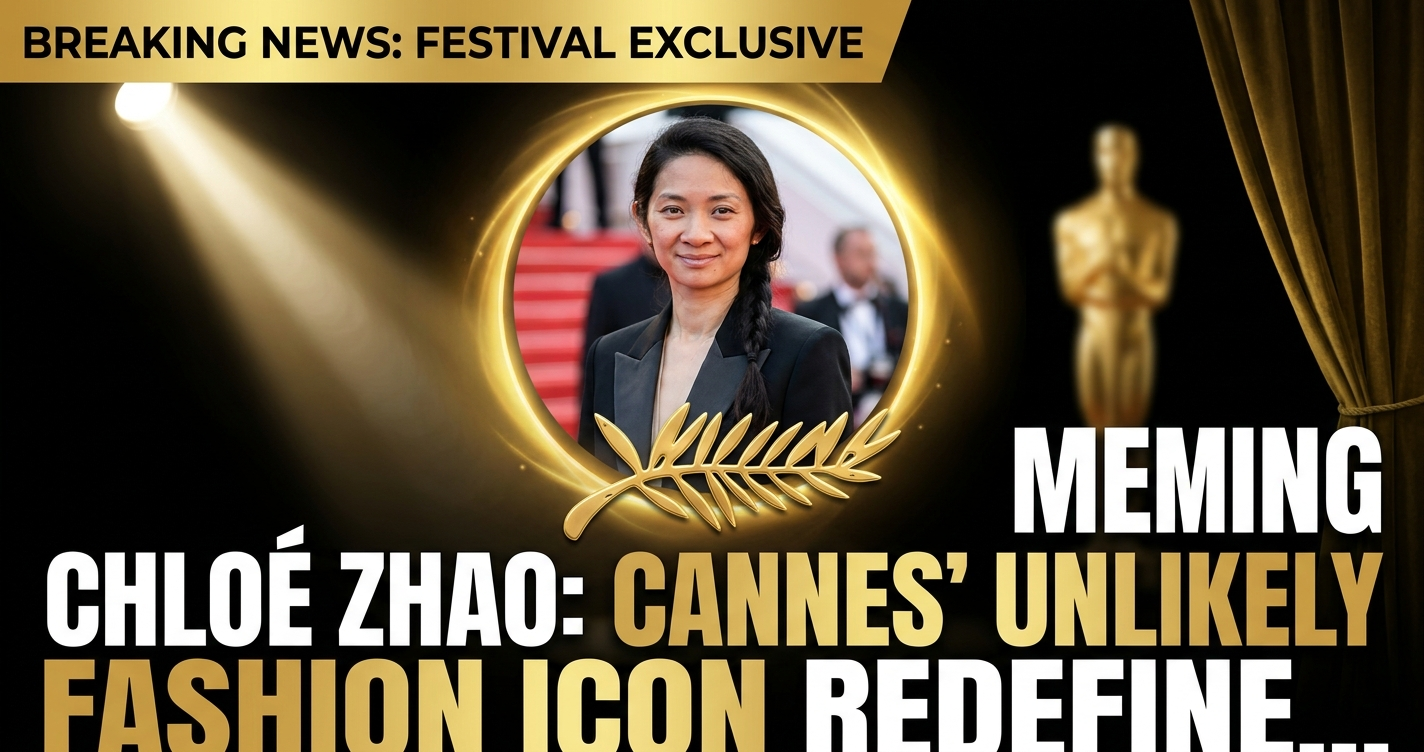
Chloé Zhao: The Unlikely Fashion Star Who Stole Cannes 2026
For decades, the Cannes Film Festival’s red carpet has been a glittering parade dominated by Hollywood’s leading ladies, supermodels, and socialites. Their meticulously planned gowns, dripping in diamonds and brand deals, have historically monopolized the fashion headlines. But something shifted at the 2026 edition, and it wasn’t a veteran actress’s dramatic comeback or a Gen Z star’s controversial ensemble. No, the real sartorial conversation starter was none other than Oscar-winning director Chloé Zhao.
Zhao, known for her deeply humanistic storytelling and often understated personal style, emerged as the festival’s unexpected fashion darling. Her appearances, while not overtly flashy, were reportedly so impactful that they began to overshadow even the most elaborate celebrity looks. It’s a testament to a changing landscape where authenticity and artistic vision are increasingly valued, even in the high-stakes world of red carpet glamour.
The Quiet Force Takes Center Stage
Zhao’s approach to the red carpet has always been distinctly her own. Unlike many who opt for maximalist statements, she often favors clean lines, natural textures, and a subtle elegance that mirrors the quiet power of her films. At Cannes 2026, sources close to DailyDrama.com noted her choices were a masterclass in sophisticated minimalism, often incorporating elements that nodded to her Chinese heritage or the American West, themes prevalent in her work like Nomadland and The Rider. It wasn’t just the clothes themselves, but the way she carried them – with an unassuming confidence that spoke volumes.
One veteran fashion editor, speaking anonymously, remarked on the palpable shift: “It wasn’t about who had the biggest train or the most sequins anymore. Zhao brought an intellectual gravitas to her style that felt incredibly fresh. It was about individual expression, not just brand placement.” This sentiment suggests a growing fatigue with overly curated, commercially driven red carpet moments, paving the way for figures like Zhao to resonate more deeply with audiences and critics alike.
Beyond the Gown: Directors as Style Icons?
Historically, directors, even those with immense prestige, have largely been relegated to the sidelines of the fashion discussion. Think of the iconic auteurs – Fellini, Bergman, Kubrick – rarely were their personal wardrobes dissected with the same fervor as their muses. While some directors, like Sofia Coppola with her understated chic or Wes Anderson with his quirky, tailored aesthetic, have developed recognizable personal brands, their fashion impact hasn’t typically translated into widespread red carpet buzz.
The Authenticity Imperative
Zhao’s ascent signals a significant evolution. In an era saturated with social media and influencer culture, there’s a growing demand for authenticity. Audiences are savvy; they can spot a forced endorsement from a mile away. A director like Zhao, whose integrity is unquestionable and whose style feels genuinely her own, presents a compelling counter-narrative. Fashion houses, always on the lookout for new frontiers, are beginning to recognize the untapped potential in aligning with creators who embody genuine artistic merit and a distinct point of view, rather than solely relying on the fleeting appeal of acting stardom.
This isn’t to say actresses are out; far from it. But Zhao’s moment highlights a broadening definition of who can be a style leader. It’s a recognition that creativity, vision, and a strong personal identity are just as compelling on the red carpet as a perfectly executed pose or a dramatic silhouette.
Cannes, Commerce, and Cultural Shifts
The implications of Zhao’s fashion impact at Cannes extend beyond mere headlines. For the festival itself, it reinforces its reputation as a cultural barometer, not just for cinema but for broader societal trends. By embracing and inadvertently promoting a director as a style icon, Cannes further solidifies its position as a nexus where art and high culture converge with the commercial realities of the fashion world.
For brands, it opens up new avenues for collaboration and influence. Imagine a luxury brand partnering with a visionary director to create bespoke red carpet looks that tell a story, rather than just display a logo. This shift could lead to more meaningful and less transactional relationships between creatives and fashion houses, ultimately enriching the red carpet experience for everyone.
Industry insiders are already buzzing about how this will influence future red carpet strategies. Stylists, who often work to differentiate their clients, might now actively seek to cultivate unique sartorial identities for directors, writers, and other behind-the-scenes talents, moving away from a one-size-fits-all approach to “glamour.”
What to Watch For Next
Chloé Zhao’s quiet triumph at Cannes 2026 is more than just a fleeting fashion moment; it’s a bellwether. We expect to see more directors, screenwriters, and even cinematographers stepping into the style spotlight, celebrated not just for their craft but for their unique aesthetic voices. Keep an eye on festivals like Venice and Toronto, and of course, the Oscars, to see if this trend solidifies. The red carpet, it seems, is finally reflecting the diverse tapestry of talent that truly makes cinema magic.