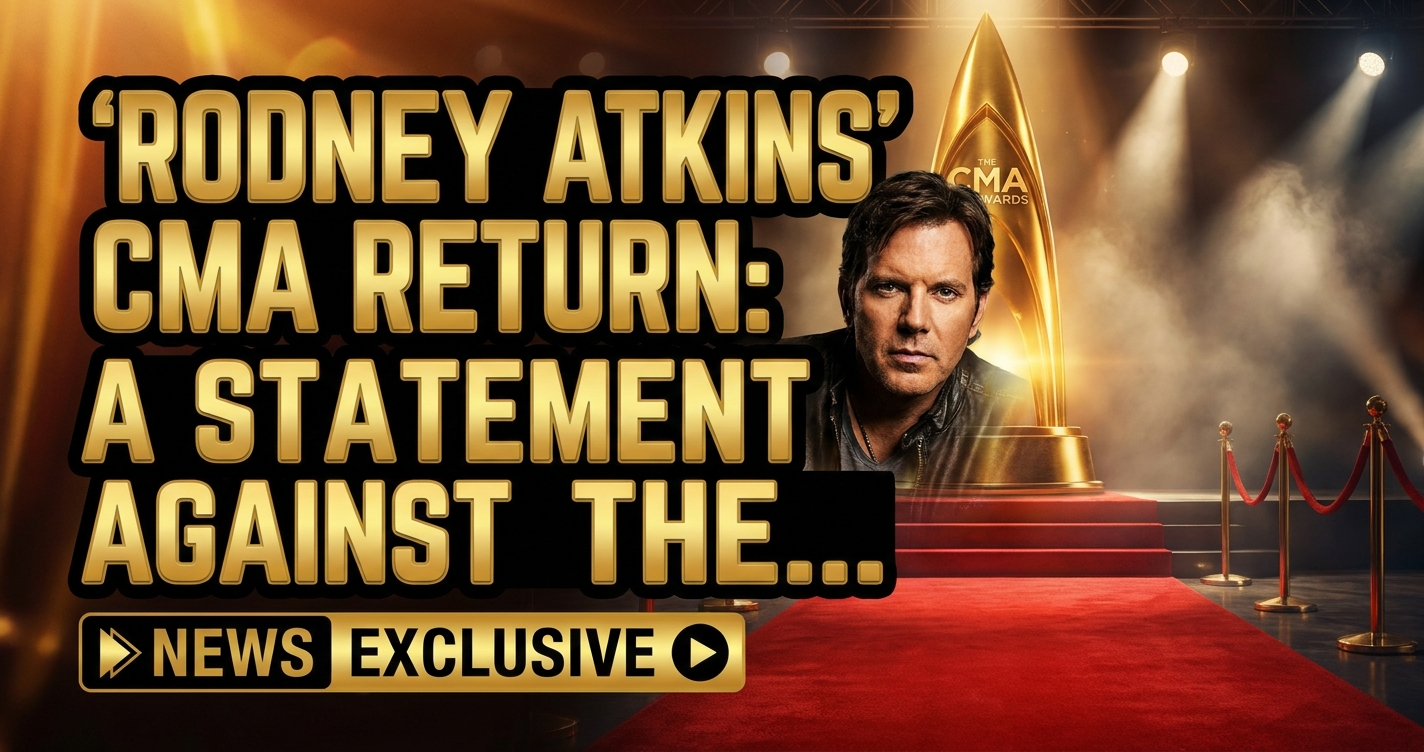
Rodney Atkins’ CMA Return: A Statement Against the Red Carpet Shuffle?
The 2026 CMA Awards are still months away, but a quiet ripple has already turned into a significant wave across Music Row. Veteran country star Rodney Atkins, known for his everyman anthems like "If You’re Going Through Hell (Before the Devil Even Knows)" and "Watching You," has confirmed he will be attending the prestigious ceremony. This news, while seemingly innocuous, carries a potent undertone: Atkins’ decision follows what sources describe as a perceived "red carpet snub" from a previous awards cycle.
For an artist of Atkins’ stature—a multi-platinum selling, award-winning singer who has graced countless red carpets over his decades-long career—being deprioritized in the pre-show pecking order is more than just an oversight; it’s a stark reminder of the ever-shifting sands of the music industry. His confirmed attendance now isn’t just about showing up; it’s about making a statement.
The Unspoken Hierarchy of the Red Carpet
To understand the weight of a "red carpet snub," one must appreciate the intricate dance that unfolds before the main event. Award shows are meticulously choreographed spectacles, and the red carpet is its vibrant opening act. It’s not just about glamour; it’s about access, visibility, and relevance. For nominated artists, especially those leading the pack like Ella Langley, Miranda Lambert, and Kacey Musgraves for the 2026 CMAs, prime red carpet real estate is a given. They are the present and future, the media darlings, the algorithms’ darlings.
But for legacy artists, particularly those not actively nominated for major categories in a given year, navigating this space can be complex. Invitations might still be extended, but the priority for prime interview spots, the best camera angles, or even simple logistical support can dwindle. As one longtime industry publicist shared with DailyDrama.com, "It’s brutal, but it’s commercial. Media outlets want the ‘now’ names, the viral moments. It’s not a personal slight against a legend, but a business decision about eyeballs." For Atkins, a consistent hitmaker for years, this shift in focus undoubtedly stung.
Why Rodney Atkins’ Attendance Matters Now
So, why is Atkins choosing to attend now, after what many might perceive as a slight? Industry insiders suggest a few compelling reasons. Firstly, it’s a powerful demonstration of resilience and continued engagement with the country music community. By showing up, Atkins reaffirms his place, not as a fading star, but as a respected figure who still belongs at the genre’s biggest night. It’s a quiet act of defiance against the notion that relevance is solely tied to current chart performance or social media virality.
Secondly, it could be a strategic move. In an era where streaming numbers and TikTok trends dictate much of an artist’s visibility, award shows remain crucial platforms for reminding fans and industry gatekeepers of one’s enduring artistry. While Atkins has continued to tour and release music, including his recent independent projects, the CMA spotlight offers an unparalleled opportunity for renewed attention.
Lastly, it speaks to the camaraderie within country music. Despite the competitive nature of the industry, there’s a strong sense of family. Atkins’ presence could be seen as supporting his peers, celebrating the genre’s continued success, and perhaps even subtly advocating for better recognition of veteran artists.
The Evolving Sound of Country and Award Show Dynamics
The 2026 CMA nominations themselves tell a story of country music in flux. The leading nominations for Ella Langley signal the rise of fresh, impactful voices resonating with a new generation. Miranda Lambert’s consistent presence underscores her unwavering reign as a genre powerhouse, effortlessly blending tradition with contemporary appeal. And Kacey Musgraves’ nominations highlight the genre’s expanding artistic boundaries, rewarding innovation and authenticity over strict adherence to convention.
This diverse roster of nominees reflects a broader industry trend: country music is more eclectic and accessible than ever before. But this evolution also presents a challenge for award shows: how do you honor the genre’s rich legacy and the artists who built its foundation, while simultaneously celebrating its vibrant, sometimes radically different, future?
The CMAs, like many award ceremonies, often grapple with this balance. Past controversies have arisen when beloved veterans felt overlooked, or when the focus seemed to shift too heavily towards pop-leaning crossover acts. Atkins’ situation is a microcosm of this ongoing tension, and his decision to attend could serve as a reminder that the "classics" still command respect and attention.
What to Watch For Next
As the 2026 CMA Awards draw closer, all eyes will be on the red carpet. Will Atkins’ presence spark a wider conversation about how award shows acknowledge and celebrate their veterans? Will his attendance be met with the recognition and prime placement he deserves? His decision to step back into the spotlight, not as a nominee, but as a seasoned artist making a statement, adds an intriguing layer of drama to what promises to be an exciting night for country music. It’s a testament to his enduring spirit and a subtle challenge to an industry constantly chasing the next big thing.