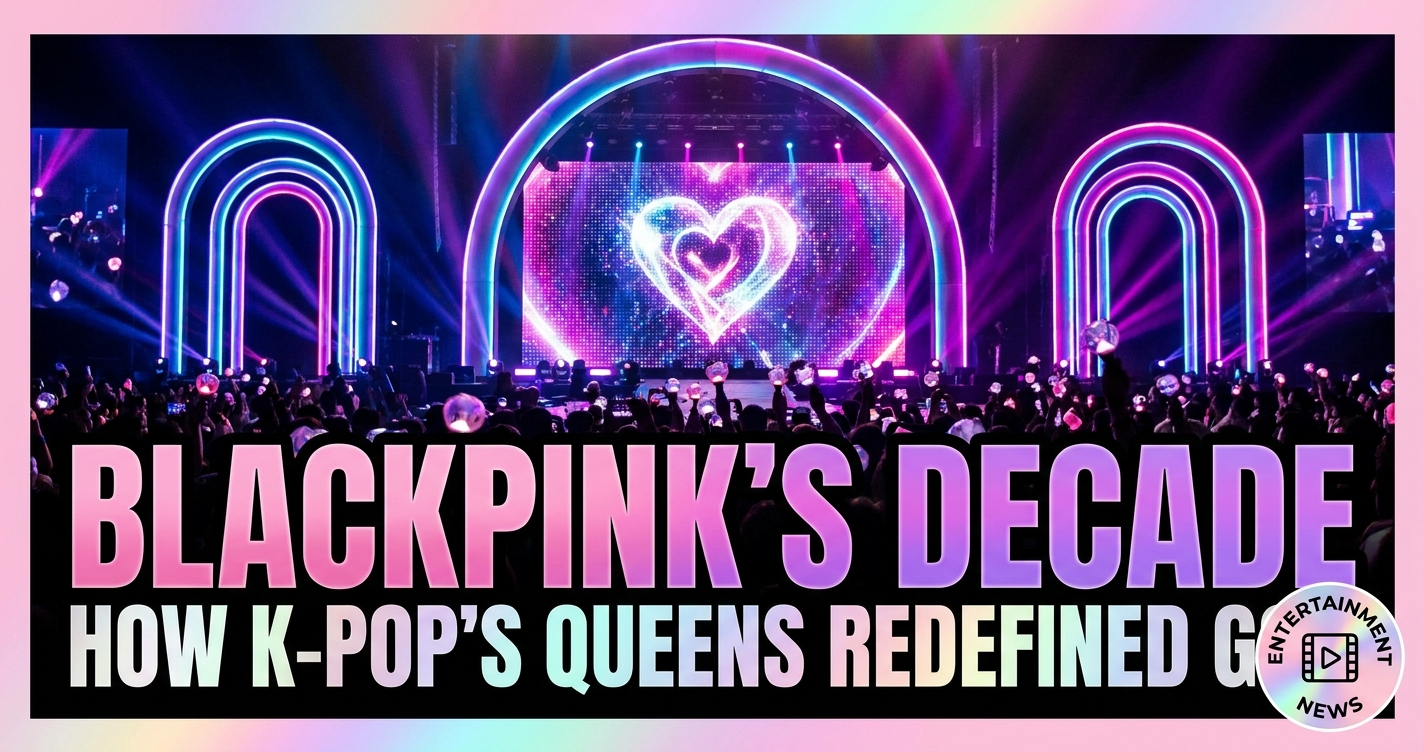
Blackpink’s Decade: How K-Pop’s Queens Redefined Global Stardom
It’s a rare feat in the fickle world of K-pop to not just survive, but thrive for a decade. Yet, as BLACKPINK wrapped its monumental ‘DEADLINE’ world tour and unveiled its third mini-album, the quartet — Jennie, Jisoo, Rosé, and Lisa — didn’t just mark an anniversary; they celebrated a legacy built on rewriting the global playbook. They aren’t just a girl group; they are a blueprint, a brand, and a bonafide phenomenon that has single-handedly recalibrated what K-pop can achieve on the world stage.
From their explosive 2016 debut under YG Entertainment, BLACKPINK carved out a niche that was less about domestic saturation and more about strategic global dominance. While other groups focused on consistent Korean comebacks, BLACKPINK’s meticulously curated releases, high-fashion endorsements, and selective international collaborations painted a picture of exclusivity and undeniable influence. This wasn’t accidental; it was a masterclass in global marketing that prioritized impact over volume, making every move a seismic event.
Beyond the Music: The Blinks’ Global Empire
What truly sets BLACKPINK apart isn’t just their infectious discography; it’s their unparalleled brand power. The members aren’t just idols; they’re fashionistas, muses, and global ambassadors for luxury houses like Chanel, Dior, Saint Laurent, and Celine. This symbiotic relationship with high fashion elevated their status from pop stars to cultural icons, blurring the lines between music, style, and aspirational living. Their individual social media followings alone dwarf many Western celebrities, giving them direct access to millions of ‘Blinks’ worldwide.
This strategic leveraging of individual member appeal, while maintaining a cohesive group identity, was a bold departure from traditional K-pop models. Industry insiders often point to BLACKPINK as the prime example of how to cultivate individual superstar status without fracturing the group’s foundation. It created a multi-pronged attack on the global market, ensuring that even when the group was on hiatus, their presence was felt through solo projects, fashion campaigns, and magazine covers.
The YG Blueprint, Reimagined
YG Entertainment, known for its edgy, hip-hop-influenced sound and distinctive artists, provided the initial launchpad. However, BLACKPINK swiftly transcended typical agency control, particularly in recent years. The highly publicized contract renewals (or lack thereof for individual members pursuing broader ventures) underscored their unique position. While group activities remain under YG, the members’ expansive individual deals — from Lisa’s rumored solo agency to Jennie’s ‘ODD ATELIER’ — signify a new era of autonomy for K-pop idols at the pinnacle of their careers. This hybrid model, allowing for both group synergy and individual entrepreneurial spirit, could very well be the future for long-standing, globally successful K-pop acts.
It’s a stark contrast to earlier generations of K-pop where agencies often maintained tighter reins over every aspect of an idol’s career, even after a decade. BLACKPINK’s trajectory offers a compelling case study for other agencies grappling with how to retain top talent while also fostering their individual growth and maximizing their global reach. It showcases a maturity in the industry where the power dynamic between agency and artist is evolving.
The ‘DEADLINE’ Era: A New Chapter or a Culmination?
The ‘DEADLINE’ tour, which saw them conquer stadiums from Seoul to Hong Kong, was more than just a series of concerts; it was a victory lap, a testament to their enduring power and the unwavering loyalty of their fanbase. The album of the same name, their first full-group release in quite some time, felt like a powerful statement — not of an ending, but of a continued, potent presence. The title itself is intriguing: a deadline for what? For proving their critics wrong? For setting a new benchmark? Or perhaps, as many speculate, a symbolic close to one chapter, preparing for an even bolder next one.
This period of intense group activity followed by a renewed focus on individual projects suggests a carefully orchestrated strategy. It’s about maintaining group momentum while allowing the members to explore and expand their personal brands, ensuring a diverse and exciting future for Blinks.
The Path Forward: What’s Next for K-Pop’s Queens?
As BLACKPINK enters its second decade, the question isn’t whether they’ll remain relevant, but how they will continue to innovate. Will we see more groundbreaking collaborations with Western artists, further cementing their status as cultural bridge-builders? Will their individual ventures continue to push the boundaries of what a K-pop idol can achieve? One thing is certain: BLACKPINK has not only rewritten K-pop’s global playbook but continues to hold the pen. The entertainment world, and indeed the fashion world, will be watching every move they make. Expect more strategic, high-impact moves that will continue to shape the industry for years to come.