BTS Unleashes ‘ARIRANG’: The Full Group Returns to Conquer 2026
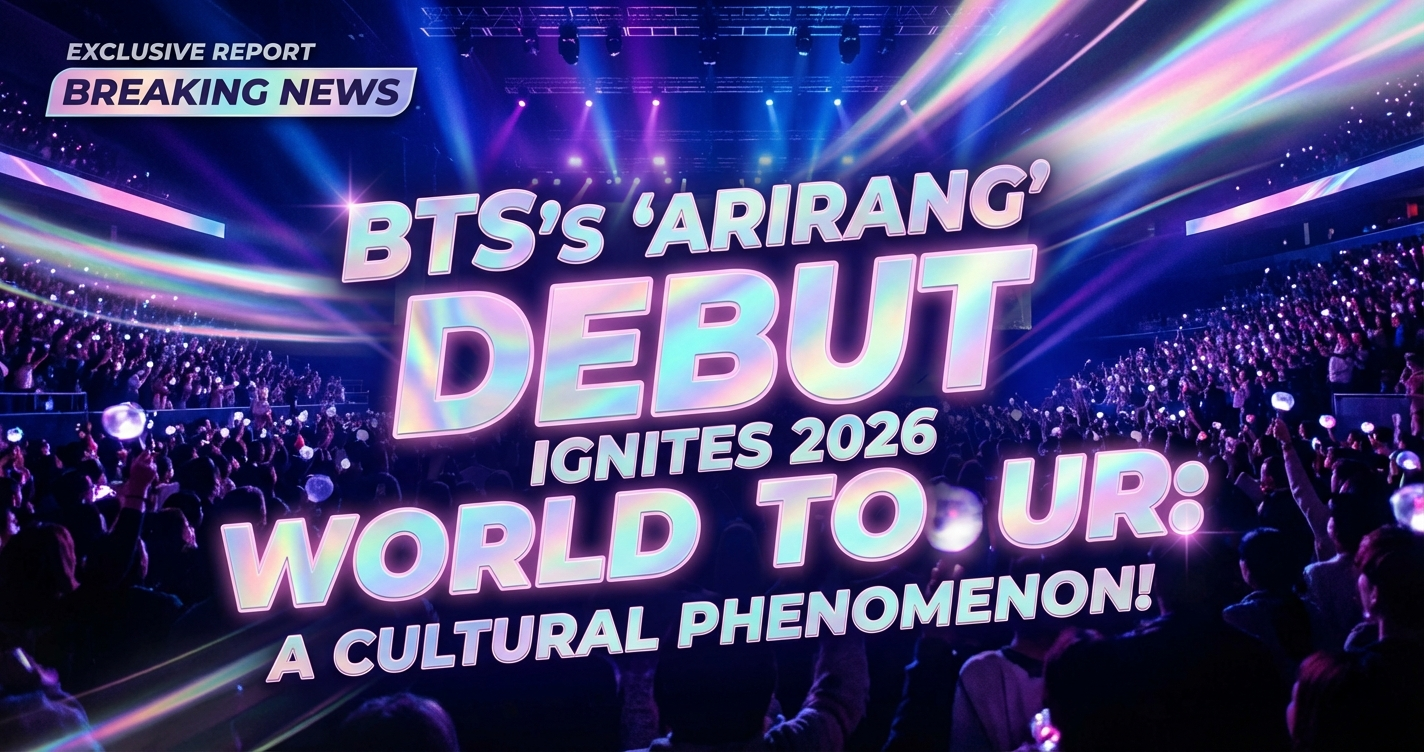
The air in Goyang was electric, thick with anticipation and the collective roar of a fandom that has waited years for this moment. As the lights dimmed at Goyang Stadium, BTS didn’t just kick off a world tour; they launched a cultural phenomenon, debuting tracks from their much-anticipated ‘ARIRANG’ album. This wasn’t merely a concert; it was a triumphant reunion, a statement of intent, and a profound re-anchoring of the global K-Pop titans to their roots, all while soaring to new heights.
For industry observers and the millions of ARMYs worldwide, the 2026 ‘ARIRANG’ World Tour opener marked the definitive end of an era of solo ventures and mandatory military service, ushering in the next chapter for the septet. The energy was palpable, a testament to BTS’s enduring power and the meticulous planning that went into this monumental comeback.
The ‘ARIRANG’ Era Dawns: A Deep Dive into Cultural Resonance
The choice of ‘ARIRANG’ as an album title is, in itself, a masterstroke. ‘Arirang’ is more than just a folk song; it’s an emblem of Korean identity, heritage, and resilience, a melody that transcends generations and symbolizes the nation’s spirit. By naming their new work after it, BTS is signaling a profound connection to their origins, even as they stand as global icons.
“This isn’t just an album; it’s a cultural declaration,” remarked a veteran music critic who attended the Goyang show. “After years of global saturation, experimenting with Western sounds and collaborations, ‘ARIRANG’ feels like a deliberate, powerful return to the essence of what makes BTS, and K-Pop, unique. It’s a fusion of their global experience with an undeniable Korean soul.”
Early reports from the Goyang debut suggest the new tracks blend traditional Korean instrumentation and melodic structures with the group’s signature contemporary pop, hip-hop, and R&B influences. This bold artistic direction could redefine how K-Pop is perceived on the global stage, challenging the notion that universal appeal must dilute cultural specificity. It echoes similar artistic pivots by global artists like Beyoncé with ‘Lemonade’ or Kendrick Lamar with ‘To Pimp a Butterfly,’ albums that were deeply personal and culturally specific yet resonated universally.
A Triumphant Return: The Full Group Dynamic Reimagined
The biggest story, beyond the music, is the full group’s return. After individual members explored solo careers and fulfilled their national duties, the collective anticipation for their reunion was immense. The Goyang stage was a canvas for their revitalized chemistry, each member seemingly bringing back new strengths and perspectives from their time apart, weaving them into a more potent group dynamic.
“You could feel the synergy, the way they moved as one, yet each shone individually,” an industry insider shared, highlighting the palpable relief and joy from the audience. “The solo work allowed them to grow, but together, they are an undeniable force. This tour isn’t just about performing; it’s about reclaiming their collective narrative and showing the world what seven years of individual and group evolution looks like.”
This full group comeback is particularly significant in the K-Pop landscape, where military enlistment often presents a challenging hiatus. BTS’s seamless, explosive return sets a new benchmark for how top-tier groups can navigate such mandatory breaks, proving that strategic planning and a dedicated fanbase can turn absence into heightened anticipation.
Stadium Superstars: The Economics of Global Domination
The decision to launch with a stadium tour for 2026 underscores BTS’s unparalleled status. This isn’t a gradual build-up; it’s a declaration of continued global dominance. Their previous ‘Love Yourself’ and ‘Speak Yourself’ stadium tours proved their capability to fill the world’s largest venues, setting records and redefining what’s possible for a non-English speaking act.
The ‘ARIRANG’ tour is projected to be one of the highest-grossing tours in history, not just within K-Pop, but globally. The economic ripple effect is enormous, impacting local economies in every city they visit, from tourism to merchandise sales. A source close to their management, Big Hit Music, indicated that ticket demand has already shattered previous records, with millions vying for seats globally. This tour isn’t just entertainment; it’s a significant economic driver.
Beyond the Stage: What This Means for K-Pop and Cultural Export
BTS’s ‘ARIRANG’ era marks a critical juncture for K-Pop as a whole. By embracing and elevating traditional Korean cultural elements within a global pop framework, they are paving the way for other artists to explore their own heritage without fear of alienating a global audience. This movement from cultural appropriation concerns to cultural *celebration* and *export* is a powerful statement.
The success of this tour and album will undoubtedly influence future K-Pop releases, encouraging deeper artistic exploration and solidifying K-Pop’s role not just as a music genre, but as a significant cultural force capable of bridging divides and fostering understanding.
What to watch for next: Keep an eye on the tour’s global stops, the critical reception of ‘ARIRANG’ as it hits streaming platforms, and how this audacious cultural pivot influences the next wave of K-Pop acts. This is more than a comeback; it’s a redefinition.