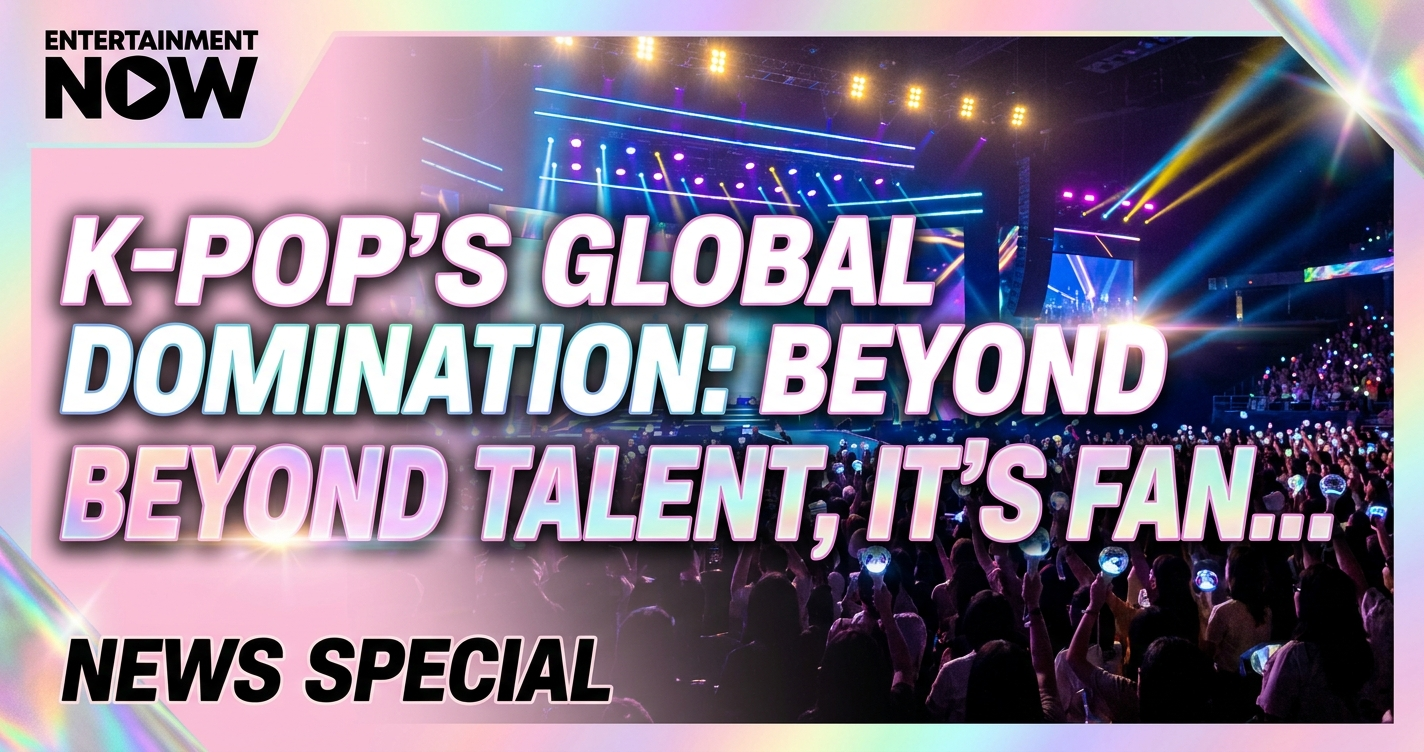
In an era where music seems to transcend borders with unprecedented ease, K-Pop hasn’t just joined the global party; it’s practically throwing it. From BTS filling stadiums worldwide to BLACKPINK headlining Coachella, the Korean music industry’s impact is undeniable. But what’s the secret sauce behind this meteoric rise? Industry insiders and keen observers alike agree: it’s a meticulously crafted system that goes far beyond catchy tunes and slick choreography. K-Pop didn’t just conquer the world; it taught the world how to be a fan.
The Idol Factory: Engineering Perfection
At the heart of K-Pop’s success lies an artist development model unlike anything seen in Western music since perhaps Motown’s heyday, but dialed up to an intensity level previously unimaginable. Companies like the ‘Big Four’ — HYBE, SM Entertainment, JYP Entertainment, and YG Entertainment — are not just record labels; they are comprehensive talent incubators. Potential artists are often scouted as young teenagers, sometimes even pre-teens, entering a rigorous training regimen that can last anywhere from two to ten years.
This isn’t merely singing lessons and dance practice. Trainees undergo intensive schooling in everything from vocal technique and intricate choreography to foreign languages (Japanese, English, Mandarin are common), media etiquette, stage presence, and even personality development. The goal? To create not just performers, but fully formed, charismatic entertainment products designed for global appeal. Each member within a group is carefully assigned a role: the powerful main vocalist, the dynamic lead dancer, the sharp rapper, the visually striking ‘visual,’ and the steady leader. This strategic segmentation ensures a balanced group dynamic and offers multiple points of entry for fans to connect.
While the Western music industry has seen its share of manufactured pop groups — from New Kids on the Block to One Direction — K-Pop’s approach is far more holistic and long-term. It’s an investment in raw potential, polished into a multi-faceted diamond through years of disciplined effort. The result is a level of synchronization, vocal prowess, and stage command that often leaves audiences awestruck.
Cultivating Fandom: An Ecosystem of Engagement
However, perfected artists are only half the equation. K-Pop’s true genius lies in its unparalleled ability to cultivate and mobilize fandoms. Unlike traditional music marketing, which often relies on passive consumption, K-Pop actively educates and empowers its fans, turning them into integral participants in their idols’ success stories.
Think about the iconic lightsticks, each group with its unique design, unifying concert arenas into pulsating seas of color. These aren’t just souvenirs; they’re symbols of allegiance. Then there are the fanchants — intricate, synchronized vocalizations performed by audiences during live performances, a testament to collective dedication. Companies leverage dedicated platforms like Weverse, a fan community app developed by HYBE, to create direct lines of communication between idols and their followers, offering exclusive content and fostering a deep sense of belonging.
This goes beyond simple interaction. K-Pop companies have mastered the art of gamification. Fans are encouraged to stream music videos relentlessly to break records, vote in online polls for awards, purchase multiple album copies to boost chart positions, and organize elaborate birthday projects for their idols. This collective effort transforms passive listening into an active, community-driven mission. It’s a strategy that draws heavily from the Japanese idol industry’s playbook, but K-Pop has globalized it with astonishing efficiency, turning local fan clubs into a worldwide army of devoted supporters.
The Business of Connection: Beyond the Stage
The K-Pop ecosystem thrives on this deep connection, extending well beyond music releases. Merchandise sales are a colossal revenue stream, ranging from albums and photo cards to apparel, cosmetics, and even character collaborations. Reality shows and behind-the-scenes documentaries offer intimate glimpses into idols’ lives, further humanizing them and strengthening emotional bonds. This continuous stream of content — practice videos, vlogs, live streams — ensures fans are always engaged and feel like they are part of the journey, not just observers.
This intense focus on fan engagement has redefined the economics of the music industry. A K-Pop group’s success isn’t just measured by album sales or concert tickets, but by the sheer devotion and organizational power of its fandom — think BTS’s ARMY, BLACKPINK’s BLINKs, or TWICE’s ONCE. These aren’t just fanbases; they are highly organized, globally distributed engines of support, capable of driving trends, breaking records, and even influencing public discourse.
What’s Next for the Global Phenomenon?
As K-Pop continues its global expansion, with groups increasingly featuring members from diverse linguistic and cultural backgrounds, the industry faces new challenges and opportunities. The immense pressure on idols, the constant demand for new content, and the high-stakes nature of debut and comeback cycles are ever-present. Yet, the blueprint for success — meticulous artist development paired with sophisticated fan cultivation — remains remarkably robust.
Other entertainment industries are undoubtedly taking notes. The K-Pop model has proven that by investing deeply in talent and, crucially, by teaching fans how to actively participate in their idols’ careers, a global cultural phenomenon can be forged. It’s a testament to strategic vision and an unwavering commitment to both artistic excellence and community building. We’re only just beginning to see the full ripple effect of K-Pop’s revolutionary approach on the broader entertainment landscape. What other genres or industries will adopt similar strategies to build such loyal, engaged communities? That’s the question currently on the minds of many industry executives.