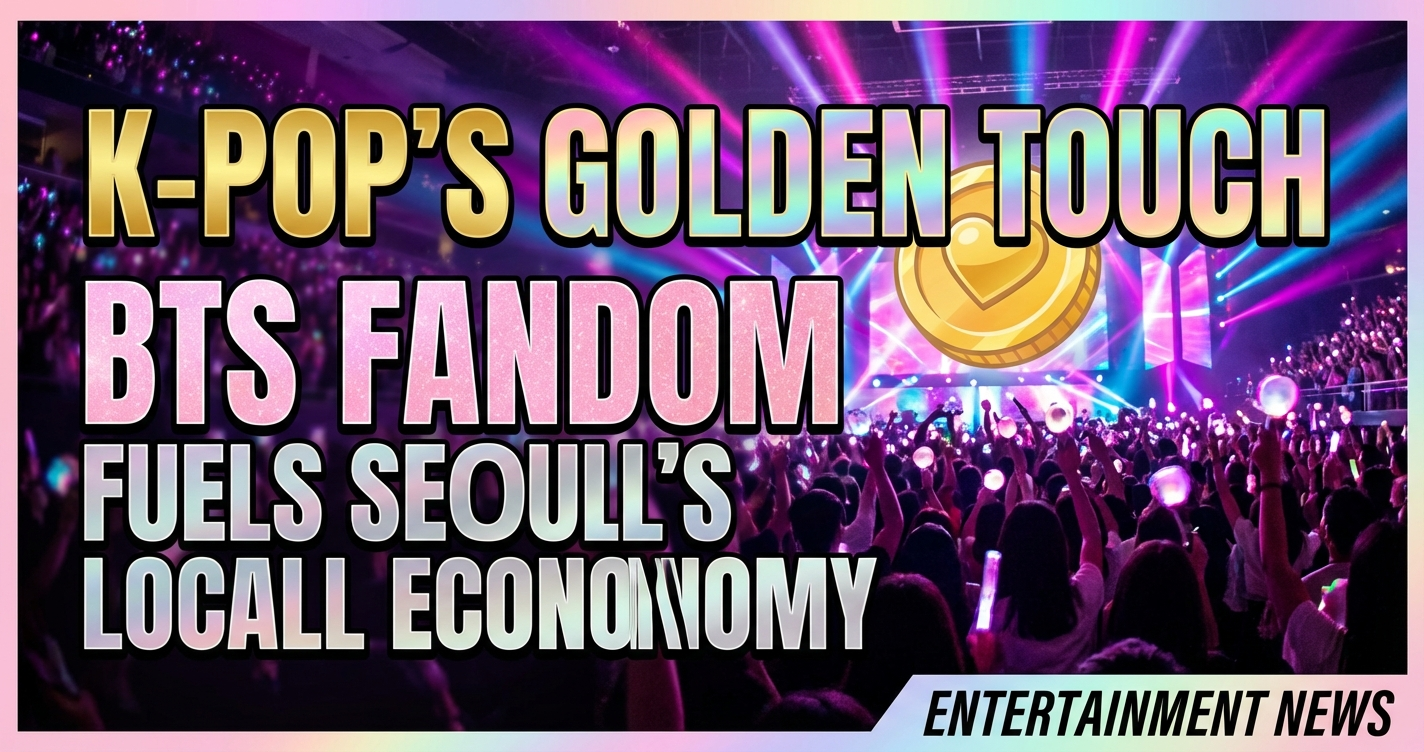
Seoul’s historic Gwanghwamun District, typically known for its majestic palaces and solemn monuments, is buzzing with a new kind of energy – one painted in vibrant shades and adorned with tiny, intricate logos. The latest sensation? BTS-themed nail art, which has seen unprecedented demand, leading to complete sell-outs at local salons. This isn’t just a fleeting trend; it’s a powerful, tangible indicator of K-Pop fandom’s profound and often underestimated economic influence.
The Unseen Engines of Hallyu: Fandom’s Local Power
While the global impact of K-Pop titans like BTS is well-documented in album sales and concert revenues, their effect on local, brick-and-mortar businesses often flies under the radar. Yet, for shops nestled in neighborhoods like Gwanghwamun, the connection is direct and immediate. A nail salon owner in the area recently shared that while BTS designs have always been popular, this surge in demand, leading to entirely depleted stock, is a first. They’ve had to bolster their daytime staff just to keep up with the influx of fans, primarily from overseas, eager to wear their devotion on their fingertips.
This localized boom isn’t accidental. Gwanghwamun, besides being a cultural landmark, has become a destination for ARMY – BTS’s devoted fanbase – thanks to various band-related activities and photo opportunities in the vicinity. Fans seek out every possible touchpoint to connect with their idols, transforming historic sites into modern pilgrimage spots. It’s a fascinating blend of old and new, tradition and hyper-modern pop culture.
Beyond the Charts: The BTS Economic Multiplier
The ‘BTS Effect’ extends far beyond music sales; it’s a powerful economic multiplier that ripples through various industries. From fashion and cosmetics to food and tourism, anything touched by the group often experiences a significant uplift. This nail art phenomenon is a microcosm of a much larger trend that DailyDrama.com has been tracking for years. When BTS members are seen wearing a particular brand, visiting a specific restaurant, or even just mentioning a product, fans worldwide take note, leading to instant sell-outs and viral marketing moments.
An ARMY member, who traveled from the Philippines to Seoul specifically for a K-Pop-themed vacation, articulated the sentiment perfectly: “It’s more than just a band; it’s a lifestyle and a way to connect with others who love them. Getting BTS nail art is a small way to feel closer to them and show my pride.” This deep emotional investment translates directly into consumer behavior, driving sales in ways traditional marketing often struggles to achieve.
The K-Beauty industry, a global powerhouse in its own right, has long understood this synergy. Collaborations between K-Pop idols and cosmetic brands are commonplace, but the organic, fan-driven demand for even indirectly related products demonstrates the sheer power of this fandom. It’s a testament to the band’s cultural currency and the dedication of their global following.
From Niche to Mainstream: K-Pop’s Global Retail Dominance
This isn’t an isolated incident, nor is it exclusive to BTS. Other K-Pop groups and solo artists are increasingly seeing their influence translate into tangible economic benefits for small businesses and large corporations alike. Pop-up stores for groups like Stray Kids, TWICE, and BLACKPINK draw massive crowds, generating millions in revenue and showcasing the strength of direct-to-fan retail experiences. The demand for official merchandise often spills over into inspired, unofficial, or adjacent products, further boosting local economies.
An industry analyst, specializing in consumer trends in Asia, suggested that the sustainability of this fandom-driven economy lies in its authenticity and the strong community bonds it fosters. “Unlike fleeting celebrity endorsements, K-Pop fandoms are highly organized, deeply committed, and actively seek ways to support their idols and the culture around them. This creates a resilient, self-sustaining market that brands are only just beginning to fully harness.”
Seoul’s Strategic Play: Leveraging Pop Culture for Tourism
The South Korean government and Seoul’s tourism board have long recognized the immense potential of Hallyu, or the Korean Wave, in attracting global visitors. They’ve strategically integrated K-Pop into tourism campaigns, developing themed tours, promoting K-drama filming locations, and even incorporating K-Pop elements into major cultural festivals. The sight of international fans flocking to Gwanghwamun for something as specific as nail art perfectly encapsulates this successful fusion of culture and commerce.
It’s a masterclass in modern destination marketing: take your rich history, infuse it with cutting-edge pop culture, and watch as global fans become enthusiastic tourists, spending their money at every touchpoint. This synergy ensures that while fans come for the K-Pop, they leave having experienced a broader slice of Korean culture, from its cuisine to its historical landmarks.
What to watch for next: As K-Pop continues its global expansion, expect to see even more innovative ways local businesses and tourism bodies leverage fandom economics. We could see hyper-localized fan zones, enhanced digital integration for fan experiences, and even dedicated K-Pop-themed districts. The question isn’t if K-Pop will continue to drive commerce, but how much further its influence can stretch into every corner of the global economy.