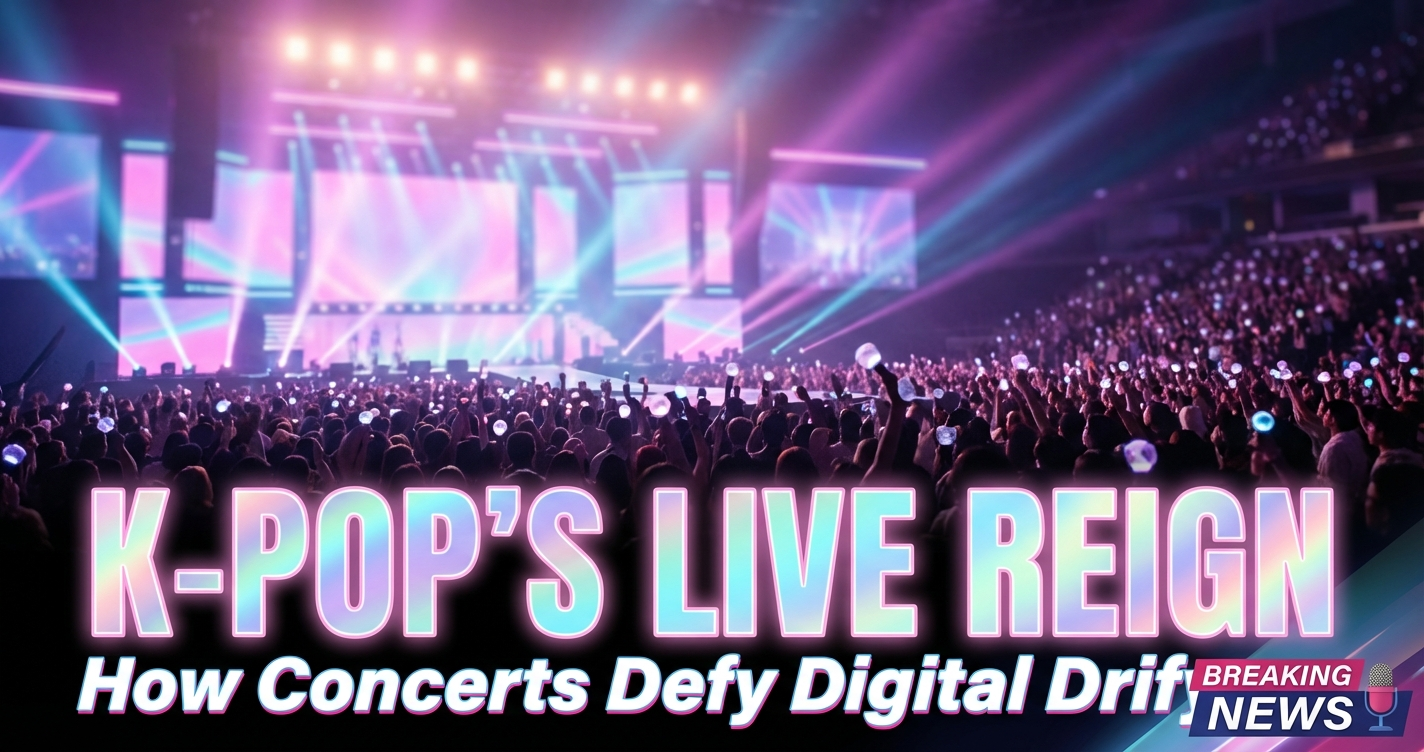
K-Pop’s Live Reign: How Concerts Defy Digital Drift & Thrive
In an era where virtually every experience can be simulated, streamed, or augmented through a screen, one segment of the entertainment industry continues to not just hold its own, but emphatically thrive: the live K-pop concert circuit. And at the epicenter of this global phenomenon, of course, stands none other than BTS, whose stadium-filling tours have redefined what’s possible for a musical act in the 21st century. DailyDrama.com has been tracking this trend for years, and it’s clear the magic of the live stage remains irreplaceably potent.
While skeptics once questioned the long-term viability of massive, in-person gatherings in a hyper-connected world, K-pop has proven them spectacularly wrong. From Seoul to Sydney, London to Los Angeles, the sight of hundreds of thousands of fans, lightsticks in hand, singing in unison, is a testament to the genre’s unique ability to forge deep, tangible connections. This isn’t just about music; it’s about community, shared emotion, and an experience that simply cannot be replicated by even the most advanced virtual reality.
The Unreplicable Thrill of the Stadium
What makes a K-pop concert, particularly one headlined by a powerhouse like BTS, so immune to the digital disruption that has reshaped so many other industries? It’s the visceral, collective energy. The deafening roar of the crowd as a favorite idol appears on stage, the synchronized ‘fanchants’ that are as much a part of the show as the choreography, the sea of ‘ARMY Bombs’ (BTS’s official lightstick) glowing in perfect rhythm – these are sensory elements that transcend pixels and bandwidth. Sources close to major concert promoters frequently emphasize the unparalleled demand for K-pop events, noting that virtual experiences, while valuable for accessibility, simply cannot replicate the visceral energy of a live stadium show. It’s a sensory overload, a collective catharsis, and a memory etched in real time.
This isn’t a new phenomenon, but K-pop has perfected it. Think back to the Beatlemania of the 60s or the stadium rock of the 80s – there’s always been an allure to shared musical ecstasy. K-pop, however, has amplified this through meticulously choreographed performances, high-production value stages, and a deeply cultivated fan culture that makes every attendee feel like an active participant, not just a passive observer. The dedication of fans, often traveling across continents and enduring grueling ticketing processes, speaks volumes about the perceived value of this real-world interaction.
A Global Economic Powerhouse
Beyond the emotional payoff for fans, K-pop concerts are an undeniable economic juggernaut. When BTS brought their ‘Love Yourself: Speak Yourself’ tour to stadiums worldwide, or more recently, their ‘Permission to Dance on Stage’ shows, the financial impact was staggering. We’re talking about billions generated not just from ticket sales and official merchandise – which itself is a multi-million-dollar industry – but also from tourism, hospitality, and local retail economies. Cities vie fiercely to host these events, understanding the massive influx of international and domestic visitors they bring.
Entertainment economists consistently cite K-pop tours as significant drivers of local economies, with one analyst recently remarking on the ‘ripple effect’ that extends from hospitality to retail in host cities. Hotels fill up, restaurants see increased traffic, and local transportation systems are put to the test. This economic footprint is far greater than what any digital streaming event, no matter how popular, could ever hope to achieve. It’s a testament to the power of physical presence and the human desire for shared, grand-scale experiences.
More Than Music: Building Global Fandoms and Cultural Bridges
At its heart, K-pop’s live success is about community. These concerts aren’t just performances; they are gatherings of global families. The fandoms, meticulously organized and incredibly passionate, view these events as reunions, opportunities to connect with like-minded individuals from diverse backgrounds united by a common love for their idols. This social aspect is a crucial, often underestimated, driver of demand.
Fans themselves, in countless testimonials, often describe the concert experience not just as attending a show, but as participating in a global community, a sentiment crucial to the genre’s sustained appeal. This sense of belonging, fostered through shared experiences and collective adoration, creates a loyalty that translates into consistent demand for live events. Furthermore, K-pop concerts act as powerful cultural ambassadors, showcasing Korean artistry, fashion, and language to millions, building bridges and fostering understanding across borders. From the intricate stage designs to the flawless execution, these events are a masterclass in global entertainment export.
What’s Next for the Live K-Pop Experience?
The future of K-pop live concerts looks brighter than ever. While technology continues to evolve, its role appears to be enhancing the live experience rather than replacing it. We’re already seeing innovative uses of augmented reality on stage, interactive elements that connect fans globally during shows, and hybrid models that offer limited virtual access to physical concerts. However, these are enhancements, not substitutes.
The challenge moving forward will be meeting the insatiable global demand. With more groups rising to international prominence, securing adequate venues, managing logistics for colossal productions, and ensuring fair ticketing practices will remain paramount. One thing is certain: as long as there’s a stage, K-pop’s biggest stars will continue to fill it, proving that the human need for connection through live music is an enduring force no digital innovation can truly conquer. We’ll be watching to see how the industry continues to innovate and expand this unique, powerful phenomenon.