K-pop’s Solo vs. Group: Heeseung’s ENHYPEN Exit Reignites the Industry’s Toughest Debate
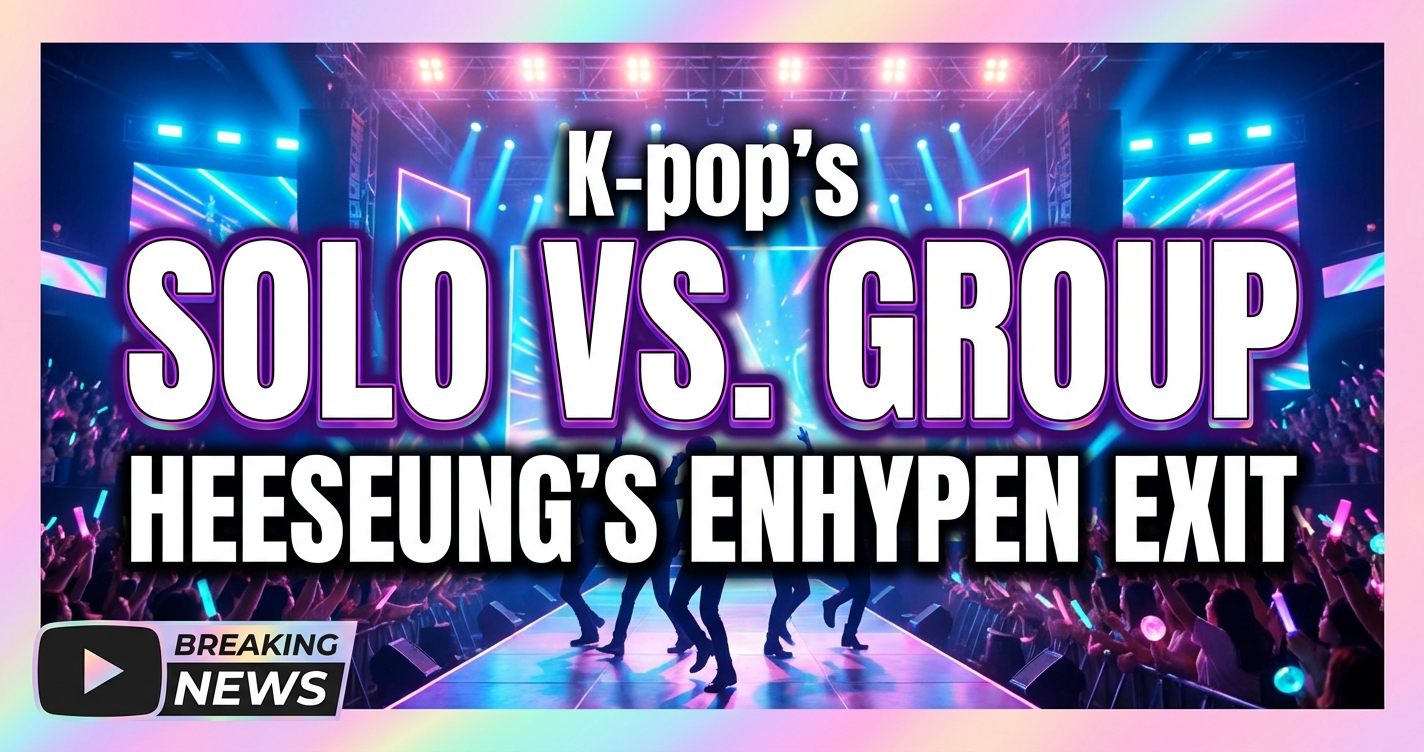
The K-pop world is once again reeling from an announcement that has sent shockwaves through its passionate fandoms and reignited one of the industry’s most persistent and contentious debates: the viability of balancing solo careers with group commitments. The news of Heeseung’s departure from ENHYPEN, one of K-pop’s most prominent fourth-generation groups, has not just sparked outrage; it has become a flashpoint for millions of fans globally who feel their voices are being ignored in the pursuit of individual artistic expression versus collective identity.
For weeks, speculation had swirled as Heeseung increasingly engaged in solo projects, culminating in what many fans hoped would be a dual path. Instead, the announcement came down, confirming his exit to pursue an exclusive solo career. The immediate fallout was explosive. Petitions for his return garnered millions of signatures within days, social media platforms were awash with trending hashtags, and fan communities expressed a profound sense of betrayal and disappointment. It’s a reaction that, while intense, is far from unprecedented in K-pop’s tumultuous history.
The Impossible Balancing Act: A K-pop Conundrum
The Heeseung situation is merely the latest, albeit highly visible, symptom of a deeper systemic issue within the K-pop industry. Agencies and idols alike constantly grapple with the tightrope walk of nurturing individual talent while maintaining group cohesion. On one hand, solo ventures offer idols a chance to explore personal artistry, build unique brands, and extend their careers beyond the often-finite lifespan of a group. On the other, they can create logistical nightmares, stir fan friction, and, in worst-case scenarios, lead to the dissolution of beloved acts.
We’ve seen various approaches to this challenge. Agencies like HYBE have masterfully allowed members of BTS to release successful solo music while still affirming their commitment to the group, albeit during a period of reduced group activity. Similarly, BLACKPINK members like Jennie, Lisa, and Rosé have carved out massively successful solo careers without officially leaving the group, though their collective comebacks are increasingly spaced out. These instances are often cited as blueprints for success, yet they require immense strategic planning, significant investment, and a fan base mature enough to embrace both aspects.
However, for every success story, there are cautionary tales. The sheer demands of K-pop schedules—grueling practice routines, back-to-back album promotions, world tours, and variety show appearances—make it incredibly difficult to carve out time for dedicated solo work without impacting the group. Industry insiders often point to the immense financial and logistical burden on agencies, who invest millions into developing and promoting a group’s collective identity. Diverting resources to a single member can be a risky gamble, potentially sparking internal competition or fan resentment.
Fandom’s Fury: The Unpredictable Power of the Collective
What truly sets K-pop apart is the unparalleled power and influence of its fandoms. Unlike traditional Western music markets, K-pop fans are highly organized, deeply invested, and capable of mobilizing en masse. Their loyalty extends beyond streaming numbers; they buy albums in bulk, organize elaborate birthday projects, and, crucially, hold agencies accountable for their idols’ well-being and career trajectories.
The global outrage over Heeseung’s departure, epitomized by the millions of petition signatures, isn’t just about one idol; it’s a statement about fan expectations. Many fans feel a proprietary stake in the groups they support, having invested emotionally and financially. When an idol leaves, it’s often perceived as a broken promise, a fracturing of the dream they bought into. For ENGENE (ENHYPEN’s fandom), the belief that Heeseung could have done both, or that his individual aspirations were prioritized over the group’s integrity, fueled their impassioned calls for a reversal.
This dynamic places agencies in an unenviable position. They must balance business imperatives with the emotional demands of an incredibly engaged consumer base. Ignoring fan sentiment can lead to boycotts, reputational damage, and a loss of revenue. Yet, catering to every fan demand can stifle artistic growth and individual ambition.
What’s Next for K-pop’s Evolving Landscape?
Heeseung’s exit from ENHYPEN is more than just another headline; it’s a stark reminder that the K-pop industry is in a constant state of evolution, grappling with the very definition of an idol’s career path. As idols gain more global recognition and artistic maturity, the desire for individual expression will only intensify. Agencies will need to innovate, perhaps by offering more flexible contract structures, exploring sub-unit promotions more aggressively, or creating transparent pathways for solo work that don’t jeopardize group integrity.
The debate isn’t going away. Instead, it will likely intensify as more K-pop acts reach their contractual renewal periods and idols weigh their options. The saga of Heeseung and ENHYPEN serves as a powerful case study, illustrating the immense pressure on all stakeholders—idols, agencies, and fans—to navigate the complex, often contradictory, demands of K-pop superstardom. What remains to be seen is whether the industry can forge a sustainable path where solo brilliance and group synergy can truly coexist, or if idols will forever be forced to choose.