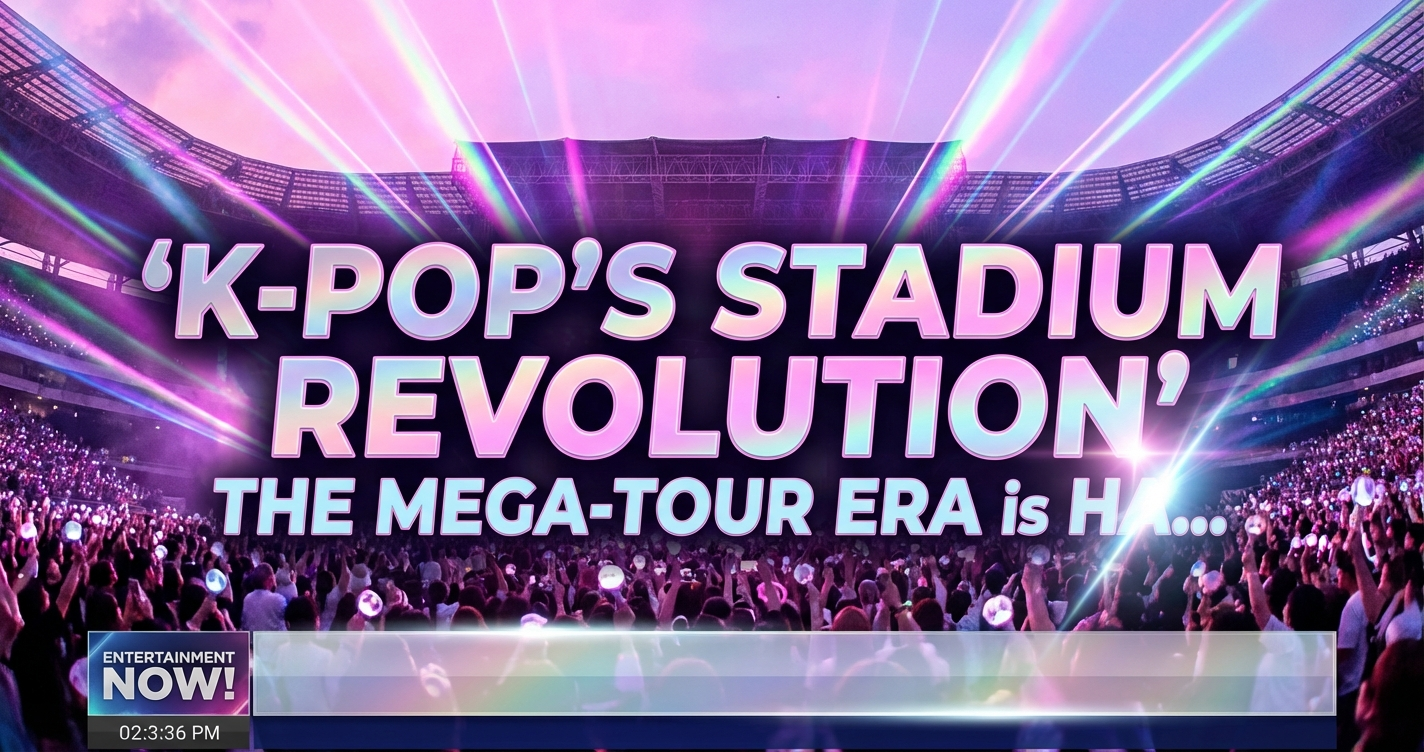
Remember the days when catching your favorite K-Pop group meant squeezing into a mid-sized theater or a bustling arena? Those intimate, high-energy shows, while still cherished in memory, have largely been relegated to the annals of history for the genre’s biggest acts. As we hurtle through 2026, the K-Pop concert landscape has undergone a seismic, irreversible shift: welcome to the era of the Mega-Tour and the Stadium Residency.
Groups like BTS, fresh off their highly anticipated ‘Arirang’ world tour announcements, and Stray Kids, who have solidified their global dominance with back-to-back sold-out stadium runs, are not just performing; they are orchestrating global spectacles. This isn’t just an evolution; it’s a full-blown revolution, changing everything from artist development to fan engagement and the very economics of the entertainment industry.
The Unstoppable Ascent: From Arenas to Empires
The transition wasn’t overnight, but its acceleration has been breathtaking. What started with pioneering groups like Girls’ Generation and BIGBANG dipping their toes into larger venues, and then BLACKPINK’s groundbreaking ‘Born Pink’ tour cementing the feasibility of global stadium domination, has now become the standard. The sheer scale of K-Pop’s international fanbase, nurtured through social media and meticulously crafted content, has simply outgrown traditional venues.
Industry insiders suggest that the move to mega-venues isn’t merely about ambition; it’s a logistical and economic imperative. A senior executive at a major K-Pop agency, speaking on background, recently commented on the necessity of scale, stating that “the global fanbase now demands an experience commensurate with the artists’ international stature and the sophisticated production values expected. Smaller venues simply can’t accommodate the demand or the spectacle.” This focus on grandiosity means bigger stages, more elaborate visual effects, live bands, and an immersive experience designed to fill tens of thousands of seats.
The Fan Experience: A Luxury or a Legacy?
For fans, this shift presents a complex duality. On one hand, witnessing your idols command a stadium, surrounded by a sea of lightsticks and fellow enthusiasts, is an unparalleled, almost spiritual experience. The energy is undeniable, the shared community palpable. The production values are often breathtaking, transforming a concert into a multi-sensory festival.
On the other hand, the mega-tour model often comes with a hefty price tag and significant accessibility challenges. Ticket scarcity is rampant, leading to frantic online battles and often inflated resale markets. VIP packages, offering early access and exclusive merchandise, can run into the thousands. One dedicated ARMY fan from Ohio, who wished to remain anonymous, lamented the rising costs, noting, “It’s a dream to see them, but it feels like it’s becoming a luxury only a few can afford, especially with the travel and accommodation on top of the ticket price. It’s exhilarating, but also a little heartbreaking for those who can’t make it.” The sheer size of stadiums can also dilute the intimate connection many fans cherish, leading to debates about quality versus quantity of engagement.
Beyond the Stage: Economic Tsunami and Industry Reshaping
The economic ripple effects of K-Pop mega-tours are undeniable. Cities hosting these events see a significant boost in tourism, with hotels, restaurants, and local businesses experiencing a surge in demand. Merchandise sales, always a cornerstone of K-Pop fandom, reach unprecedented levels, turning concert venues into temporary retail hubs.
For the agencies, the stakes are astronomically high. Investing in a global stadium tour requires immense capital for production, logistics, security, and marketing. A prominent concert promoter, speaking off the record, highlighted the logistical nightmares and immense financial risks involved, but quickly added that “the returns, when successful, are simply astronomical, justifying the upfront gamble.” This success, however, is now driving a new paradigm in artist development. Are new groups being conceptualized and trained with the stadium stage in mind from day one? It certainly seems that way, pushing for global appeal and performance prowess that can fill such colossal venues.
This trend also raises questions about sustainability and the competitive landscape. With so many top-tier groups vying for stadium dates, will fan fatigue set in? Will smaller groups struggle even more to carve out a niche when the spotlight is so intensely focused on these global behemoths?
The Future: More Residencies, Less Intimacy?
Looking ahead, the stadium residency model, popularized by Western acts in cities like Las Vegas, is becoming increasingly attractive for established K-Pop groups. BTS’s ‘Permission to Dance on Stage’ in Vegas was a clear harbinger, and rumors of similar long-term engagements for other major groups continue to circulate. Residencies offer a more stable schedule for artists and a consistent destination for fans, potentially easing some of the logistical burdens of constant global touring.
We can also expect continued innovation in integrating technology. While virtual reality and AR have been experimented with, they are unlikely to replace the visceral live experience. Instead, they will likely enhance it, offering hybrid models or unique content for those who cannot attend in person. However, the core truth remains: for the biggest names in K-Pop, the stadium is no longer just a venue; it’s their natural habitat.
The K-Pop mega-tour isn’t just a trend; it’s a structural change, a testament to the genre’s global power, and a challenge to the industry to innovate and adapt. While some long for the days of more intimate interactions, the spectacle of a K-Pop group commanding a stadium is an undeniable force, reshaping the very definition of a concert experience.
What to watch for next: Keep an eye on how second and third-tier K-Pop groups navigate this stadium-dominated landscape, whether more artists embrace the residency model, and how agencies balance the desire for spectacle with genuine fan accessibility.