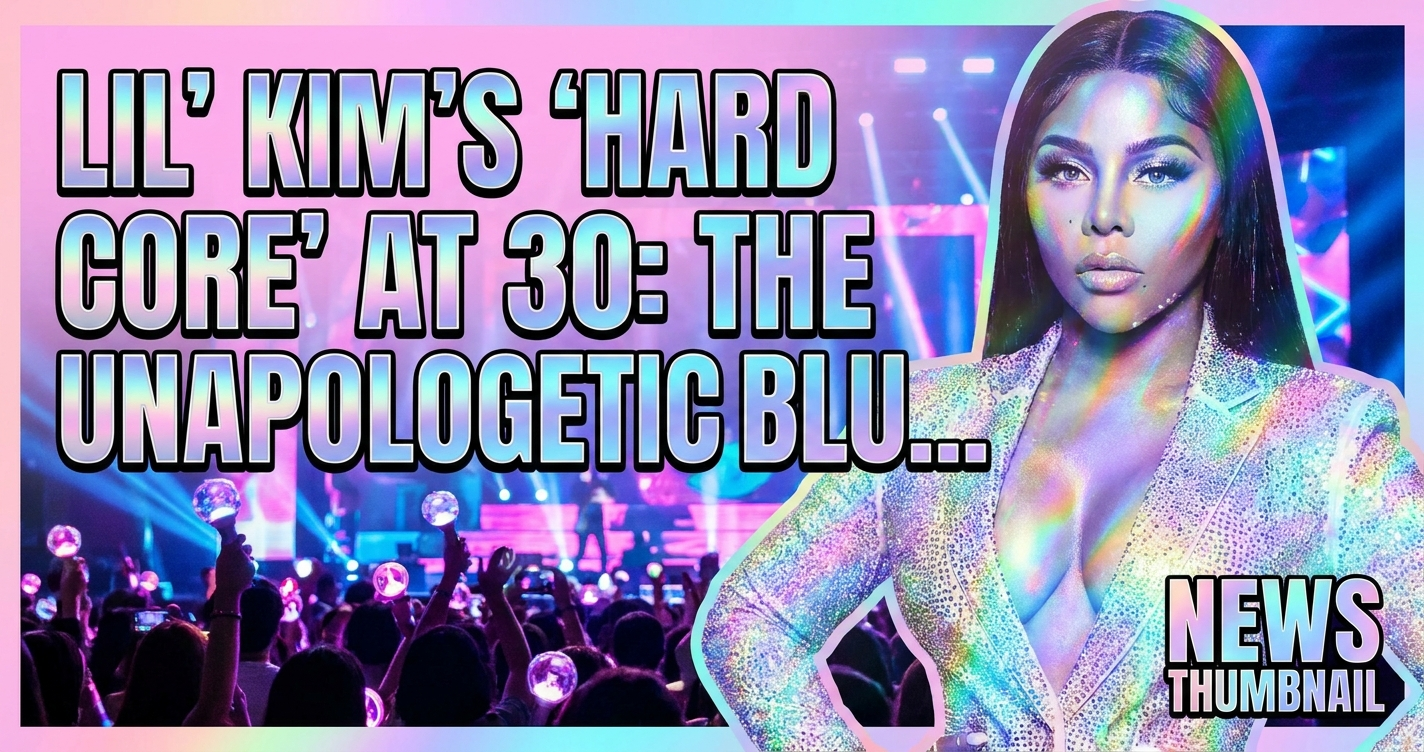
Lil’ Kim’s ‘Hard Core’ at 30: The Unapologetic Blueprint That Reshaped Hip-Hop
Brooklyn recently buzzed with an energy that transcended mere nostalgia, as hip-hop royalty, Lil’ Kim, took center stage to commemorate the 30th anniversary of her seminal debut album, Hard Core. Released in November 1996, the album wasn’t just a collection of tracks; it was a seismic event that irrevocably altered the landscape of female rap, setting a new, audacious standard that continues to resonate three decades later.
For those of us who lived through the ’90s hip-hop explosion, Hard Core wasn’t just another Bad Boy Records release. It was an unapologetic declaration of sexual agency, lyrical prowess, and unbridled confidence from a woman in a genre often dominated by male narratives. Before Hard Core, female rappers certainly existed – legends like Salt-N-Pepa, Queen Latifah, and MC Lyte had paved important paths. But Kim, with the late Notorious B.I.G.’s formidable co-sign via Junior M.A.F.I.A., arrived with a ferocity and a visual aesthetic that was, frankly, shocking for its time, and utterly captivating.
Breaking Barriers: Lyrical Content and Sexual Liberation
The album’s impact wasn’t just about catchy hooks; it was deeply rooted in its lyrical audacity. Tracks like Crush On You (featuring her mentor Biggie), Not Tonight, and the iconic Queen Bitch showcased Kim’s storytelling ability and her undeniable flow. But it was her explicit embrace of sexuality, power, and desire that truly made heads turn. She rapped about sex, money, and luxury from a distinctly female, often dominant, perspective – a narrative previously confined to male artists or hinted at subtly by women. She wasn’t just participating in the conversation; she was dictating it, flipping the script on male gaze and reclaiming her body and desires as her own.
Industry insiders at the time were split. Some hailed her as a revolutionary, a much-needed voice pushing boundaries. Others, predictably, condemned her as vulgar, too provocative. But that controversy only fueled her fire, proving that she was tapping into something raw and real. Her boldness paved the way for future generations of artists to explore their own sexuality and express themselves without fear of reprisal, or at least, with a precedent already set.
The Visual Revolution: Fashion, Image, and Iconography
Beyond the lyrics, Lil’ Kim’s visual presentation was as groundbreaking as her sound. Her fashion choices – vibrant wigs, custom designer outfits, and a fearless approach to nudity – became integral to her artistry. She wasn’t just wearing clothes; she was crafting a persona, a larger-than-life figure who commanded attention and redefined what a female rapper could look like. Think of the iconic purple pasty at the 1999 MTV Video Music Awards, or her numerous magazine covers that pushed the envelope of celebrity fashion.
Her music videos, often glossy and high-budget thanks to the Bad Boy machine, solidified this image. They were more than just promotional tools; they were mini-movies, fashion statements, and declarations of her arrival. This synergy between music, fashion, and visual storytelling became a blueprint for countless artists who followed, demonstrating how a cohesive, powerful image can amplify an artist’s message and solidify their legacy. She understood the power of branding before most artists even grasped the concept.
The Bad Boy Era and Enduring Influence
Hard Core was a quintessential product of the Bad Boy era, benefiting from the Midas touch of Sean “Puff Daddy” Combs and the creative energy pulsating through his label. Alongside Biggie’s groundbreaking work and the smooth R&B of Faith Evans and 112, Kim carved out her own unique niche. While often overshadowed by Biggie’s immense shadow, Hard Core proved Kim was a star in her own right, ready to shine independently.
The album’s influence is undeniable. Look at today’s landscape of female hip-hop, and you see Lil’ Kim’s fingerprints everywhere. Artists like Cardi B, Megan Thee Stallion, and even Nicki Minaj, while forging their own distinct paths, have openly credited Kim as a significant inspiration. Her ability to be simultaneously glamorous, explicit, and undeniably skilled on the mic provided a template for how to navigate the complexities of fame and artistry as a powerful woman in a male-dominated industry. Her fearless approach to her sexuality and her business acumen laid the groundwork for the current generation of female artists who are reclaiming their narratives and dominating charts globally.
The celebration in Brooklyn wasn’t just a party; it was a reaffirmation of Hard Core‘s enduring power and Kim’s indelible mark on music and culture. As she reflected on the album’s journey, the feeling was palpable: this wasn’t just about a record; it was about a movement she spearheaded.
What’s Next for the Queen Bee?
As Lil’ Kim continues to be celebrated, the anniversary naturally sparks questions about her next moves. Will this resurgence of appreciation lead to new music that captures her classic fire while embracing contemporary sounds? Or will her focus remain on her fashion empire, advocacy, and solidifying her place as a mentor for emerging talent? Whatever her path, one thing is certain: the impact of Hard Core will continue to echo through the halls of hip-hop for generations to come, a testament to a true icon who dared to be herself, unapologetically.