From “Family-Friendly” Fails to Gritty Glory: The R-Rated Revolution
For decades, the “video game movie curse” was entertainment industry gospel. Hollywood’s attempts to translate beloved pixels to the big screen often resulted in critical duds and box office disappointments, leaving fans frustrated and studios scratching their heads. The conventional wisdom? Water down the source material, aim for a broad PG-13 audience, and hope for the best. But a quiet revolution has been brewing, largely spearheaded by a seemingly unstoppable supernatural franchise adaptation, proving that sometimes, leaning into the mature, visceral heart of a game is the winning strategy. The latest milestone from this trend confirms what many insiders have suspected: R-rated video game adaptations are no longer a gamble; they’re becoming box office royalty.
While the industry often points to recent successes like The Super Mario Bros. Movie for breaking the curse, the groundwork for mature, fan-focused adaptations was laid much earlier. Long before Mario donned his animated overalls, a different kind of hero—or rather, anti-hero—was battling hordes of zombies in a post-apocalyptic landscape, carving out a lucrative niche by daring to go R-rated when others wouldn’t. The lesson? Authenticity, even if bloody, resonates.
Resident Evil: The Unsung Pioneer of Mature Adaptations
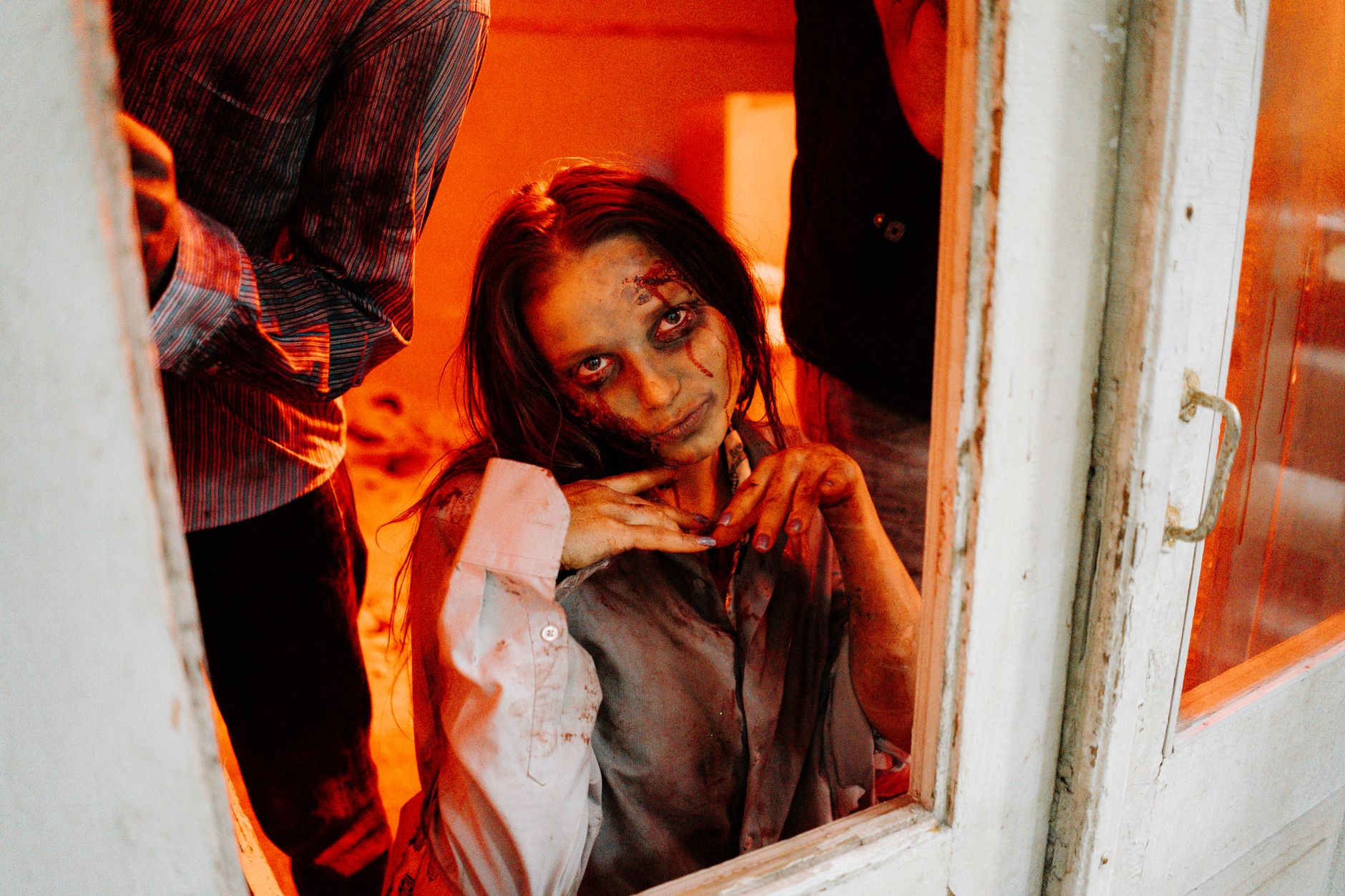
When you talk about successful R-rated video game adaptations, the conversation inevitably circles back to Resident Evil. While the Milla Jovovich-led series, which kicked off in 2002, often drew the ire of critics for its departure from game lore, its consistent box office performance was undeniable. Six films, all firmly R-rated, raked in over $1.2 billion worldwide. This wasn’t just a fluke; it was a blueprint. The films embraced their horror roots, delivering gore, intense action, and a relentlessly grim atmosphere that resonated with the game’s adult fanbase.
An executive close to the franchise, speaking off the record, once noted that while there was initial studio hesitation about the R-rating, the creative team behind the first film pushed for it. “They understood the core audience for Resident Evil wasn’t looking for a watered-down experience,” the exec explained. “They wanted the scares, the blood, the sheer terror of Umbrella Corp. And the numbers proved them right, time and again.” This success subtly shifted perceptions, demonstrating that an R-rating wasn’t necessarily a box office ceiling, but a key to unlocking a dedicated, paying audience.
Following in its footsteps, the atmospheric horror of Silent Hill (2006) also embraced an R-rating to deliver its disturbing, psychological terror, further cementing the idea that horror game adaptations benefited from creative freedom. While not as prolific as Resident Evil, its commitment to its unsettling source material earned it a cult following.
The New Breed: Authenticity and Fan Service Pay Off
Fast forward to today, and the industry is finally taking notes from Resident Evil‘s long-term success. The 2021 reboot, Resident Evil: Welcome to Raccoon City, attempted a different, more faithful R-rated approach, aiming to please purists, though its box office performance was more modest compared to the Jovovich era’s consistent highs. However, its existence still underscored the continued belief in the power of an R-rated take on the beloved survival horror series.
Beyond Resident Evil, we’ve seen a clear trend. The 2021 Mortal Kombat movie, for instance, soared at the box office (despite its hybrid release during the pandemic) precisely because it leaned into the game’s iconic, brutal fatalities with a hard R-rating. It was a clear signal: fans want authenticity, even if it’s gruesome. Even the massive success of last year’s Five Nights at Freddy’s, while surprisingly PG-13, demonstrated an insatiable appetite for horror game adaptations among younger and older audiences alike, proving the genre itself has a powerful pull.
Studio heads are now openly acknowledging this shift. A producer recently commented that the conversation around adapting mature games has fundamentally changed. “Years ago, the first question was always, ‘How do we make this PG-13?’ Now,” she stated, “it’s ‘How do we make this authentic to the game’s tone, even if that means an R-rating?’ The success stories speak for themselves.”
What’s Next for Mature Adaptations?
The impact of this trend is set to continue. Developers and studios are now actively pursuing adaptations of games known for their mature themes, confident that an R-rating won’t hinder, but rather enhance, their appeal. One highly anticipated project directly benefiting from this paradigm shift is the upcoming film adaptation of the critically acclaimed interactive horror game, Until Dawn. With its branching narratives, intense jump scares, and gruesome choices, an R-rating is not just expected, but practically required to do the source material justice. Its development signals a deeper commitment to delivering the immersive, often terrifying, experiences that define these games.
As the entertainment landscape continues to evolve, it’s clear that the ‘video game movie curse’ has been thoroughly broken, especially for those adaptations brave enough to embrace their darker, more adult themes. From the trailblazing success of Resident Evil to the brutal authenticity of Mortal Kombat and the impending dread of Until Dawn, the future of video game adaptations looks bloody brilliant. Keep an eye out for more studios greenlighting projects that prioritize fidelity over family-friendliness; the biggest milestones are likely still ahead.