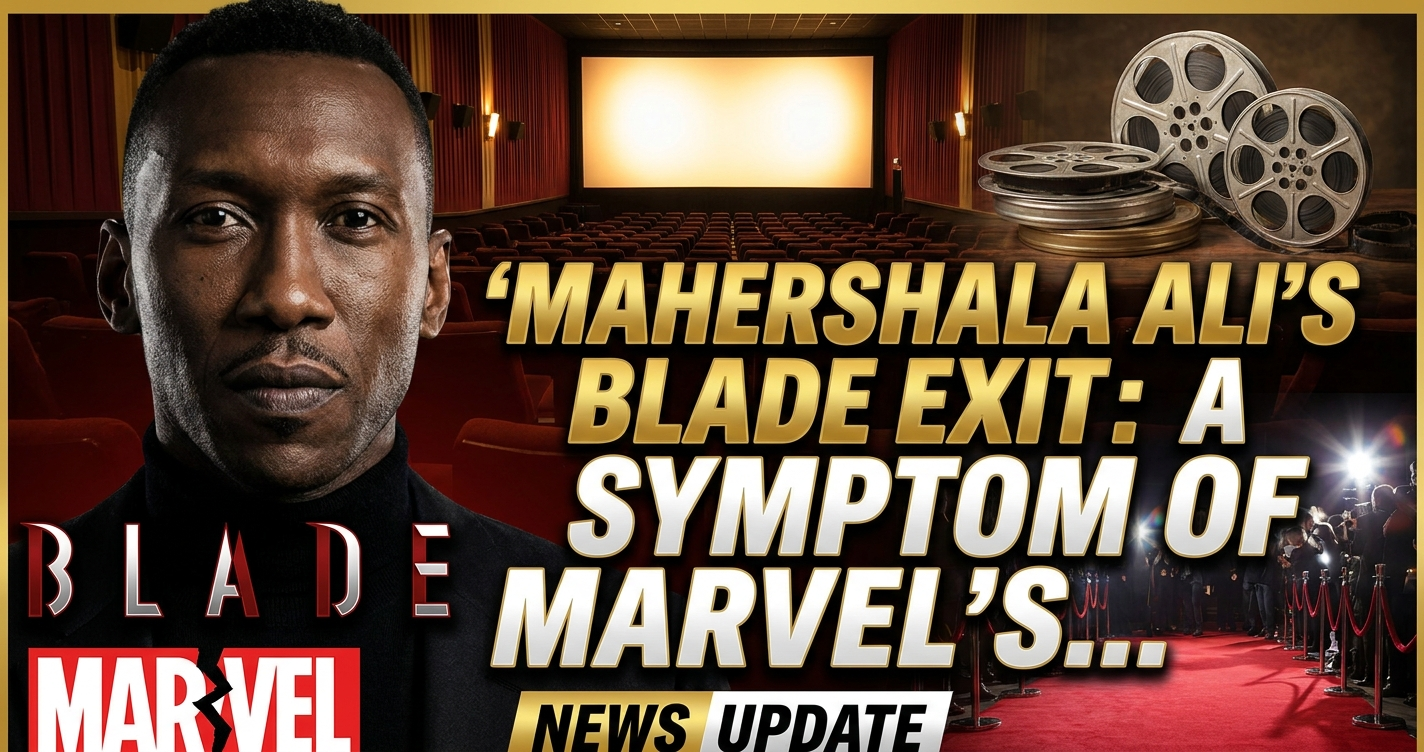
When Mahershala Ali, a two-time Academy Award winner and an actor of undeniable gravitas, was announced to lead Marvel’s Blade reboot back in 2019, it felt like a seismic shift. This wasn’t just another superhero casting; it was a statement. Ali brought an immediate prestige and promise of something darker, grittier, and more mature than much of the MCU’s recent fare. Five years later, his recent comments suggesting the project is effectively dead in the water aren’t just disappointing – they’re a stark, sobering indictment of the creative labyrinth Marvel Studios seems to have become.
Speaking out recently, Ali conveyed a sense of resignation, indicating that despite his eagerness, the film’s perpetual state of flux ultimately led to its demise. He reportedly stated that if the studio truly intended to move forward, the film would have been made by now. This isn’t just an actor politely stepping aside; it’s a veteran talent expressing palpable frustration with a system that couldn’t coalesce around a clear vision for one of its most anticipated projects.
The Long, Painful Development Hell of Blade
The journey of this Blade reboot has been a masterclass in development hell. Announced with much fanfare at San Diego Comic-Con, the film quickly became a symbol of Marvel’s ambition to explore new, potentially R-rated territory within its sprawling cinematic universe. However, behind the scenes, it was a revolving door of writers and directors. Bassam Tariq was initially attached to direct, only to depart due to creative differences and scheduling conflicts. Yann Demange later took the helm, only for the script to reportedly undergo numerous rewrites – at one point rumored to be on its fifth or sixth iteration. Sources close to the production whispered about a lack of a clear narrative direction, differing opinions on the character’s tone, and persistent struggles to integrate the Daywalker into the broader MCU tapestry without compromising his darker essence.
This isn’t just about a single film struggling; it reflects a systemic issue. When a project with a star of Ali’s caliber, a beloved character with established lore, and a clear market demand for something fresh struggles this profoundly, it signals deeper structural challenges within the studio’s creative pipeline.
Mahershala Ali’s Candor and Marvel’s Silence
Ali’s decision to speak so openly about the project’s stalled status is significant. Actors, especially those tied to major studios, rarely break ranks like this. His statement, delivered with a quiet authority, suggests that his patience, and perhaps his belief in the project’s viability, had simply run out. It’s a rare glimpse behind the carefully curated curtain of Marvel’s PR machine, revealing an internal struggle to bring ambitious projects to fruition.
Marvel Studios, meanwhile, has remained notably silent on the matter, a common tactic when faced with negative press or significant project changes. While this silence maintains an air of control, in this instance, it only amplifies the perception of uncertainty surrounding their future slate. The optics are not good: a major star confirming the quiet demise of a highly anticipated film, with the studio offering no counter-narrative.
A Broader MCU Malaise?
The collapse of the Blade reboot isn’t an isolated incident; it feels like another symptom of the broader malaise that has afflicted the MCU in its post-Endgame era. After years of seemingly unstoppable momentum, Phases 4 and 5 have been characterized by inconsistent quality, audience fatigue, and a perceived lack of overarching narrative cohesion. Films like Ant-Man and the Wasp: Quantumania and The Marvels underperformed, and the controversy surrounding Jonathan Majors (who was set to be a central villain) further complicated their long-term plans.
The promise of a new, darker corner of the MCU spearheaded by Blade and Ali’s compelling presence offered a much-needed shot in the arm. Its failure to launch suggests that Marvel’s internal processes may be struggling to adapt to the demands of an expanded universe and a more discerning audience. Are they trying to do too much? Is creative control too centralized, stifling distinct visions? These are questions executives at Disney and Marvel are undoubtedly grappling with as they attempt a course correction, emphasizing fewer releases and a renewed focus on quality.
What’s Next: For Ali, Blade, and Marvel
For Mahershala Ali, this likely frees him up for other prestigious projects, and his career will undoubtedly continue to flourish. For the character of Blade, however, the future is murky. Will Marvel attempt another reboot down the line with a different actor? Or will the Daywalker remain in limbo, a poignant reminder of a missed opportunity?
For Marvel Studios, the implications are significant. The failure of Blade, coupled with other recent stumbles, underscores the critical need for clearer vision, more streamlined production, and a renewed commitment to storytelling that excites both veteran fans and newcomers. The superhero genre is evolving, and the once-unassailable Marvel brand needs to prove it can evolve with it. Otherwise, more projects could find themselves stuck in development purgatory, and more stars could be expressing similar frustrations.
What to Watch For Next:
Keep an eye on Marvel’s upcoming slate announcements, particularly regarding any shifts in their release strategy or new creative appointments. The industry will be watching closely to see if they can regain their footing and deliver on the promise that once made them the envy of Hollywood.