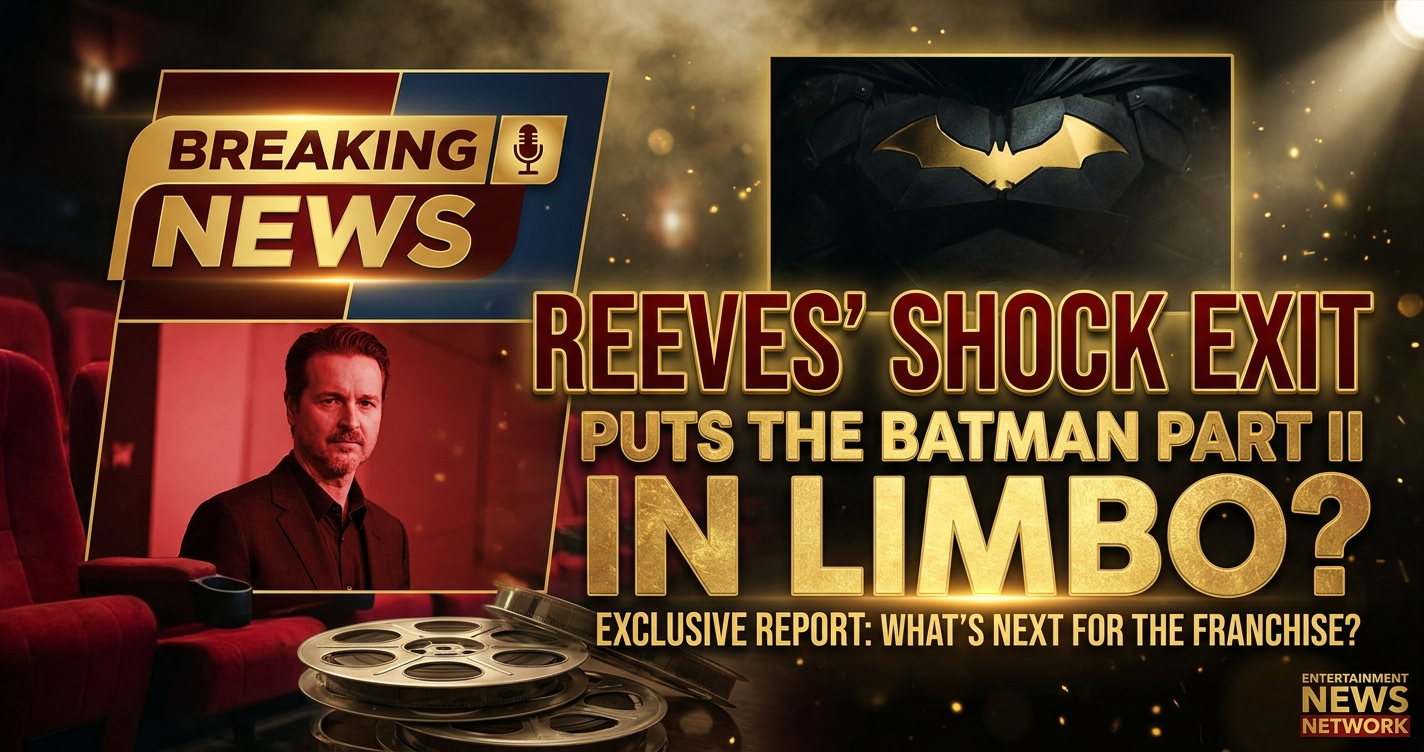
Matt Reeves Steps Away: The Batman Part II Production Grinds to a Halt
The Caped Crusader’s cinematic future has hit an unexpected snag. News broke this week that production on the highly anticipated sequel, The Batman Part II, has been paused indefinitely, with acclaimed director Matt Reeves reportedly stepping away from the project. While DC Studios quickly issued a statement that, as expected, offered little in the way of concrete answers—likely citing the usual ‘creative differences’ or ‘scheduling conflicts’—the industry is abuzz with speculation about what this truly means for Robert Pattinson’s Dark Knight and the broader DC cinematic landscape.
For fans who lauded Reeves’ gritty, grounded take on Gotham in the 2022 original, this development is nothing short of a gut punch. The Batman wasn’t just a critical darling; it was a box office success, grossing over $770 million globally, proving that audiences were hungry for a darker, more detective-driven iteration of the iconic hero. The sequel felt like a foregone conclusion, a vital piece of DC’s ‘Elseworlds’ strategy. Now, its very foundation appears to be shaking.
Unmasking the Real Reasons Behind the Pause
While official statements tend to be a masterclass in corporate speak, sources close to Warner Bros. Discovery and DC Studios are whispering about deeper issues than mere calendar clashes. Matt Reeves is known for his meticulous approach and singular vision, qualities that delivered the unique tone of the first film. However, such a strong authorial voice can sometimes clash with studio mandates, especially under new leadership.
James Gunn and Peter Safran, the co-CEOs of DC Studios, have been aggressively restructuring their cinematic universe, mapping out an ambitious slate that includes both a new, interconnected DCU and select ‘Elseworlds’ projects like The Batman. While Part II was explicitly positioned outside the main DCU, the new regime’s desire for a streamlined, cohesive brand could be creating unforeseen friction. Was there pressure to align certain narrative elements, even subtly, or perhaps to accelerate production timelines that didn’t fit Reeves’ methodical pace? These are the questions industry insiders are asking.
Moreover, the script for The Batman Part II, co-written by Reeves and Mattson Tomlin, has been in development for some time. Delays in scripting, often a precursor to directorial changes, could also be a factor. A challenging script process can lead to creative stalemates, where a director’s vision for the story diverges significantly from studio expectations for a tentpole sequel.
Echoes of the Past: Director Departures in Superhero Cinema
This isn’t the first time a highly anticipated superhero film has seen its director depart mid-development. The history of the genre is littered with such instances, often with significant repercussions. Perhaps the most famous example is Edgar Wright’s well-documented exit from Marvel’s Ant-Man. After years of development, Wright walked away due to creative differences, leading to Peyton Reed taking the helm and a distinctly different film than Wright’s original vision.
More recently, within DC’s own stable, Patty Jenkins’ Wonder Woman 3 was controversially scrapped during the new Gunn/Safran era, reportedly due to creative misalignment. While Jenkins’ situation was a cancellation rather than a pause and departure, it underscores the willingness of the new DC leadership to make tough calls that prioritize their long-term vision. Is Reeves’ situation a similar, albeit less final, manifestation of this new studio ethos?
The Elseworlds Conundrum: What This Means for DC’s Strategy
The Batman universe, with its planned spin-offs like the upcoming ‘Penguin’ series starring Colin Farrell, was meant to be a cornerstone of DC’s ‘Elseworlds’ brand—stories that exist outside the main DCU continuity. Matt Reeves was not just the director of the flagship film but also a key architect of this entire corner of the DC multiverse. His stepping away casts a shadow not just on Part II, but potentially on the cohesion and future of this standalone narrative.
Robert Pattinson’s portrayal was lauded for bringing a fresh, vulnerable intensity to Batman. While he remains attached, the loss of Reeves’ guiding hand could necessitate a significant creative re-evaluation. Will the studio seek a new director who can seamlessly integrate into Reeves’ established world, or will they opt for a fresh perspective, potentially altering the very DNA of what made the first film so unique?
Reeves’ Vision vs. Studio Realities
Matt Reeves is a filmmaker known for his meticulous world-building and character-driven narratives, from his work on the Planet of the Apes franchise to Cloverfield. He takes his time, crafting films that resonate deeply. Superhero blockbusters, however, often operate on tight schedules and under intense studio pressure to deliver specific results. This inherent tension between artistic vision and commercial imperative is a perennial challenge in Hollywood.
This pause could be a negotiation tactic, a genuine creative impasse, or even a precursor to a more permanent departure. Whatever the reason, it sends a clear message: even the most successful and critically acclaimed directors are not immune to the evolving dynamics of studio filmmaking, especially in a landscape as volatile as the current superhero genre.
What to Watch For Next: All eyes will now be on DC Studios for further clarification. Will a new director be announced swiftly? Will Reeves return after a period of negotiation? Or will The Batman Part II undergo a significant creative overhaul that could reshape its very identity? One thing is certain: the road to Gotham’s next chapter just got a lot more unpredictable.