The 2026 Grammys: When the Mic Became a Megaphone
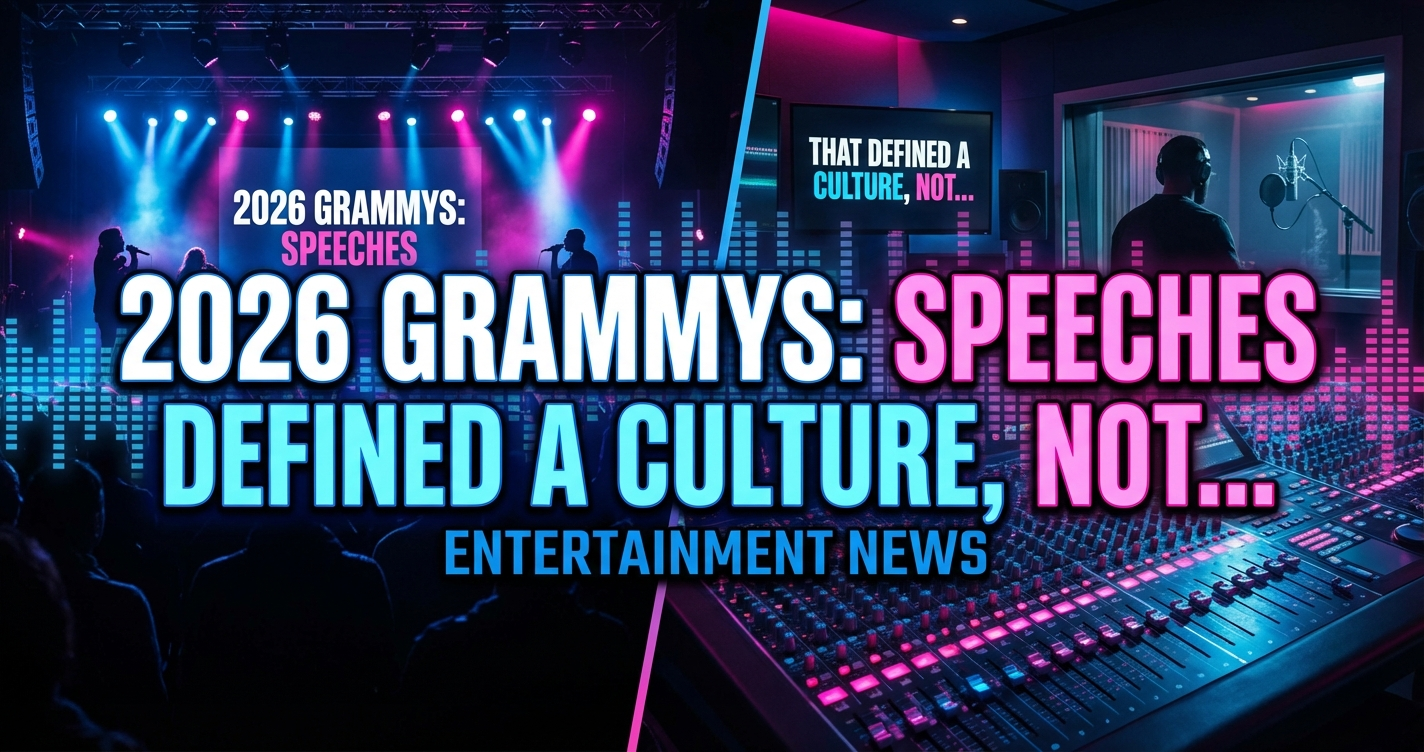
The lights, the glamour, the unforgettable performances – these are the hallmarks of any Grammy Awards night. But at the 2026 Grammys, something else took center stage with unprecedented force: the acceptance speech. Forget the perfunctory ‘thank yous’ and the lists of managers; this year, the podium became a powerful platform, transforming an industry celebration into a compelling cultural forum. From impassioned pleas for immigrant rights to rousing calls for gender equity in music, the artists who walked away with golden gramophones also delivered moments that will resonate far beyond the broadcast.
For years, observers of the music industry have noted a subtle but steady shift. Artists, increasingly aware of their global reach and influence, have leveraged their moments in the spotlight to advocate for causes close to their hearts. The 2026 ceremony, however, felt like a watershed. It wasn’t just a few isolated statements; it was a symphony of conviction, a collective declaration that music’s role extends beyond entertainment into the realm of social responsibility. The raw honesty and emotional weight behind these words offered a refreshing counter-narrative to the often-criticized pageantry of awards shows, grounding the evening in real-world issues.
Bad Bunny’s Unapologetic Voice for the Marginalized
Among the most talked-about moments was Bad Bunny’s acceptance speech, which delivered a visceral and unapologetic message in support of immigrant communities. As he clutched his award, the global icon – whose career has consistently defied linguistic and cultural barriers – used his immense platform to underscore themes of unity and belonging. While not quoting directly, his sentiment resonated deeply with long-time fans and new admirers alike, reminding everyone that the fabric of modern society is woven from diverse threads. It was a powerful continuation of the cultural conversation he’s championed throughout his career, from his groundbreaking use of Spanish in mainstream music to his challenges to traditional gender norms within Latin genres. His words weren’t just about recognition for his music; they were a rallying cry for human dignity, echoing a sentiment that many industry insiders believe is crucial for the future of a truly global music landscape.
Lady Gaga: A Fierce Advocate for Women in Music
Another profound statement came from the incomparable Lady Gaga, who, in accepting one of her multiple accolades, dedicated a significant portion of her speech to vocal support for women in the music industry. Gaga, a long-standing advocate for marginalized communities through her Born This Way Foundation and her consistent messaging on self-acceptance, articulated the ongoing struggles and triumphs of female artists, producers, engineers, and executives. Her remarks served as a powerful reminder that despite progress, the fight for true equity is far from over. It was a moment that not only celebrated her own achievements but also amplified the voices of countless women working tirelessly behind the scenes and in the spotlight, cementing her role as a formidable champion in the ongoing dialogue around gender parity. Her speech sparked immediate conversations across social media, reigniting discussions that have simmered since the #MeToo and #TimesUp movements, and putting a fresh spotlight on the persistent disparities many women face in creative industries.
Kendrick Lamar’s Enduring Call for Reflection
And then there was Kendrick Lamar. Known for his profound lyrical depth and unflinching social commentary, his acceptance speech was a masterclass in quiet power. While his specific words, paraphrased from the evening, highlighted themes of self-reflection and systemic change, they resonated with the gravitas expected from an artist whose discography is a rich tapestry of American life and struggle. Lamar’s consistent ability to weave complex narratives about racial identity, mental health, and societal pressures into commercially successful and critically acclaimed albums has made him a unique voice in contemporary music. His speech at the 2026 Grammys was less an outburst and more a continuation of his artistic mission: to provoke thought, challenge complacency, and inspire a deeper understanding of the human condition. It was a testament to how an artist can use their moment to reinforce their artistic integrity and extend their message beyond the confines of a song.
A New Blueprint for Award Shows?
The 2026 Grammys delivered a potent message: the award stage is no longer just for celebrating achievements; it’s a vital arena for social commentary and cultural dialogue. The powerful speeches from artists like Bad Bunny, Lady Gaga, and Kendrick Lamar weren’t just highlights of the night; they were markers of a shifting paradigm. This isn’t merely a trend; it’s a recalibration of what an artist’s platform means in an increasingly interconnected and conscious world. Their words resonated deeply, not only with their fans but with the broader public, demonstrating the unparalleled power of music and its creators to shape conversations that matter.
What to watch for next: As the dust settles on the 2026 Grammys, the industry will be watching to see how these powerful statements translate into sustained action. Will other artists follow suit? How will these speeches influence future nominations and award criteria? And most importantly, how will the conversations sparked by these poignant moments continue to shape the music we listen to and the culture we live in? The impact of these speeches will undoubtedly ripple through upcoming tours, album releases, and philanthropic endeavors by these artists, solidifying their roles not just as entertainers, but as pivotal cultural architects.