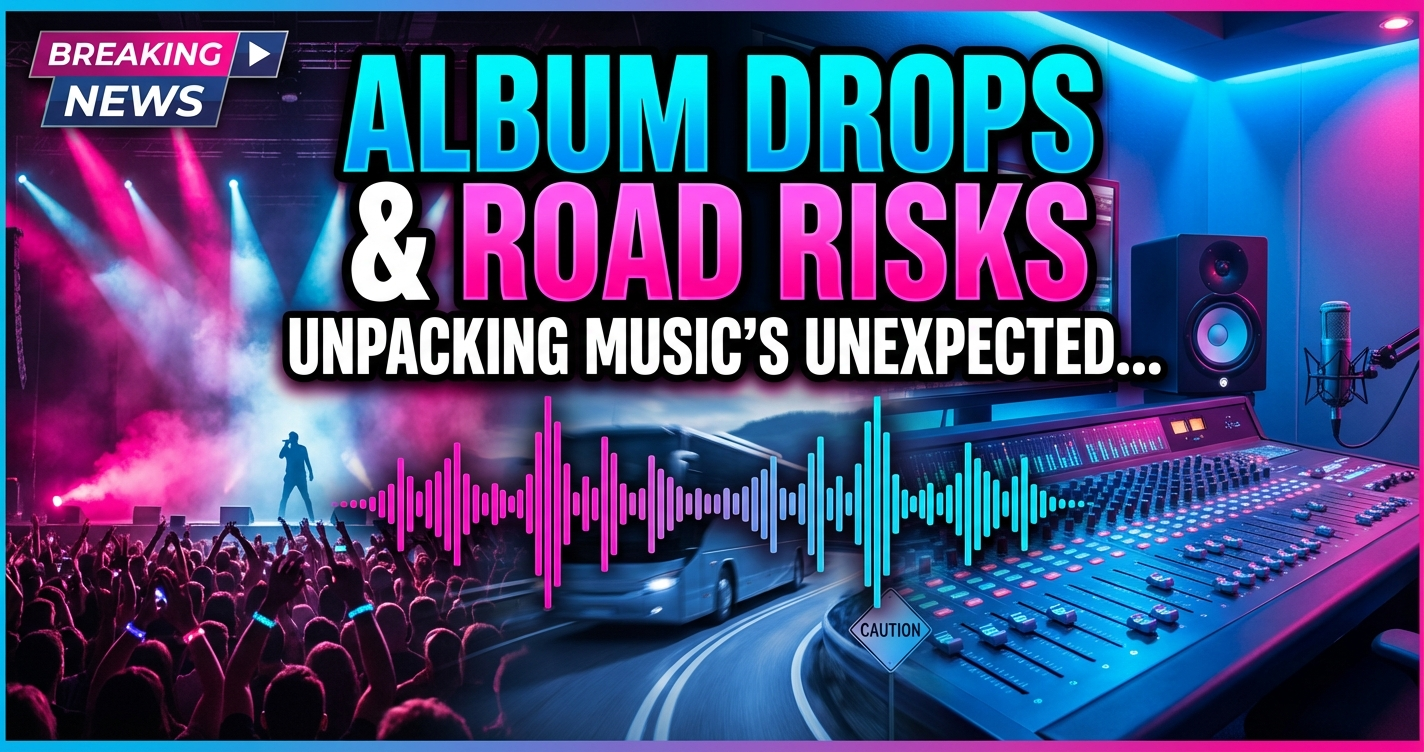
When the Charts Climb, Do the Roads Get Riskier?
It’s a statistic that stops you in your tracks, painting a stark, almost unsettling picture of the sheer, unbridled power of a major album drop. A recent study, making waves outside typical entertainment circles, has revealed a startling correlation: on the very days the biggest artists unleash new music, traffic fatalities in the United States reportedly surge by nearly 15%. At DailyDrama, we’ve always celebrated the seismic cultural impact of a highly anticipated album, but this finding adds a sobering, unexpected layer to the narrative of fan devotion and industry spectacle.
For decades, we’ve chronicled the queues outside record stores, the frantic refreshing of digital storefronts, and the social media explosions that accompany a new release from a global superstar. We’ve seen artists like Beyoncé drop a visual album out of nowhere, Taylor Swift command pre-order records, and Adele break streaming platforms. What this study suggests, however, is that the energy, excitement, and perhaps even the emotional resonance of these events extend far beyond the listening experience, spilling onto our highways with potentially tragic consequences.
The Midnight Drop Phenomenon: Music as a Global Event
Gone are the days when an album release was merely a Tuesday affair. In the streaming era, it’s a meticulously choreographed global event. Artists, labels, and marketing teams work tirelessly to build anticipation, turning a new record into a cultural landmark. Think of the intricate rollouts for Kendrick Lamar’s DAMN., Drake’s surprise drops that dominate headlines for weeks, or Billie Eilish’s carefully curated aesthetic universe for Happier Than Ever. These aren’t just collections of songs; they’re experiences designed to be consumed immediately and collectively.
Fandom, too, has evolved into a hyper-engaged, 24/7 phenomenon. ‘Stans’ – devoted super-fans – don’t just listen; they participate. They dissect lyrics, analyze music videos frame-by-frame, stream relentlessly to boost chart numbers, and often stay up until midnight (or later, depending on time zones) to be among the first to hear new tracks. This collective fervor, amplified by social media, creates an almost palpable buzz that permeates daily life. For many, the album’s release day is akin to a holiday, a moment demanding full, undivided attention.
Beyond Distraction: Unpacking the "Why" Behind the Numbers
While the study doesn’t definitively explain *why* this increase in traffic fatalities occurs, a senior industry insider, speaking off the record, posited several theories. "It’s not just about distracted driving, though that’s certainly a factor," they mused. "Imagine hundreds of thousands, if not millions, of people checking their phones for updates, refreshing streaming apps, or even trying to listen to the new album for the first time while behind the wheel. That’s a huge potential for distraction."
But the impact could go deeper. Consider the emotional connection fans have to their favorite artists. A powerful new album can evoke intense feelings – joy, sadness, nostalgia, euphoria. Driving while experiencing such heightened emotions could potentially impair judgment or reaction times. Furthermore, many major album drops occur at midnight EST, meaning fans in other time zones might be staying up exceptionally late, leading to fatigue. And while physical album sales have waned, some fans still travel to pop-up shops, listening parties, or even just drive around late at night to fully absorb the music in a solitary, reflective setting. The confluence of distraction, emotional intensity, and sleep deprivation could create a dangerous cocktail on the roads.
The High Stakes: How Album Drops Define Careers and Culture
For artists and labels, the stakes on release day are astronomically high. First-week sales and streaming numbers are crucial metrics, influencing chart positions, critical reception, and ultimately, an artist’s long-term career trajectory. A massive debut solidifies an artist’s superstar status, fuels tour sales, and opens doors for lucrative endorsements. The industry pours millions into album campaigns, meticulously crafting every detail from teaser trailers to cover art, all to ensure maximum impact and cultural penetration on release day.
This study, grim as its findings may be, serves as an unexpected testament to the incredible power and reach of these carefully manufactured cultural moments. It underscores just how deeply music can embed itself into the fabric of daily life, influencing not just our moods and conversations, but even, apparently, our behavior on the road. It highlights the profound connection between artist and audience, a bond so strong it can lead to collective, widespread behavioral shifts, both intended and unintended.
A Sobering Note on Fandom’s Unseen Power
Ultimately, this isn’t about blaming artists for creating compelling music or fans for their devotion. It’s about recognizing the profound, sometimes unforeseen, consequences of cultural phenomena. The entertainment industry thrives on creating moments – moments of shared experience, collective excitement, and deep emotional resonance. This study simply provides a startling reminder that these moments, when amplified across millions of eager listeners, can have ripple effects that extend far beyond the charts and into the tangible world.
It raises questions: Should artists or labels consider adding road safety messages to their release day promotions? Could public awareness campaigns around album drops become a new norm? Whatever the answer, this study offers a fascinating, albeit sobering, new lens through which to view the enduring, pervasive power of music in our modern world.
What to Watch For Next:
As the industry continues to push the boundaries of album rollouts, we’ll be watching closely to see if this surprising correlation prompts any changes in how artists and labels engage with their fanbases on release days. The conversation around fan safety might just broaden beyond concert venues to include the very roads we drive.