Ariana Grande’s Candid Confession: Pop Stardom’s Unseen Toll
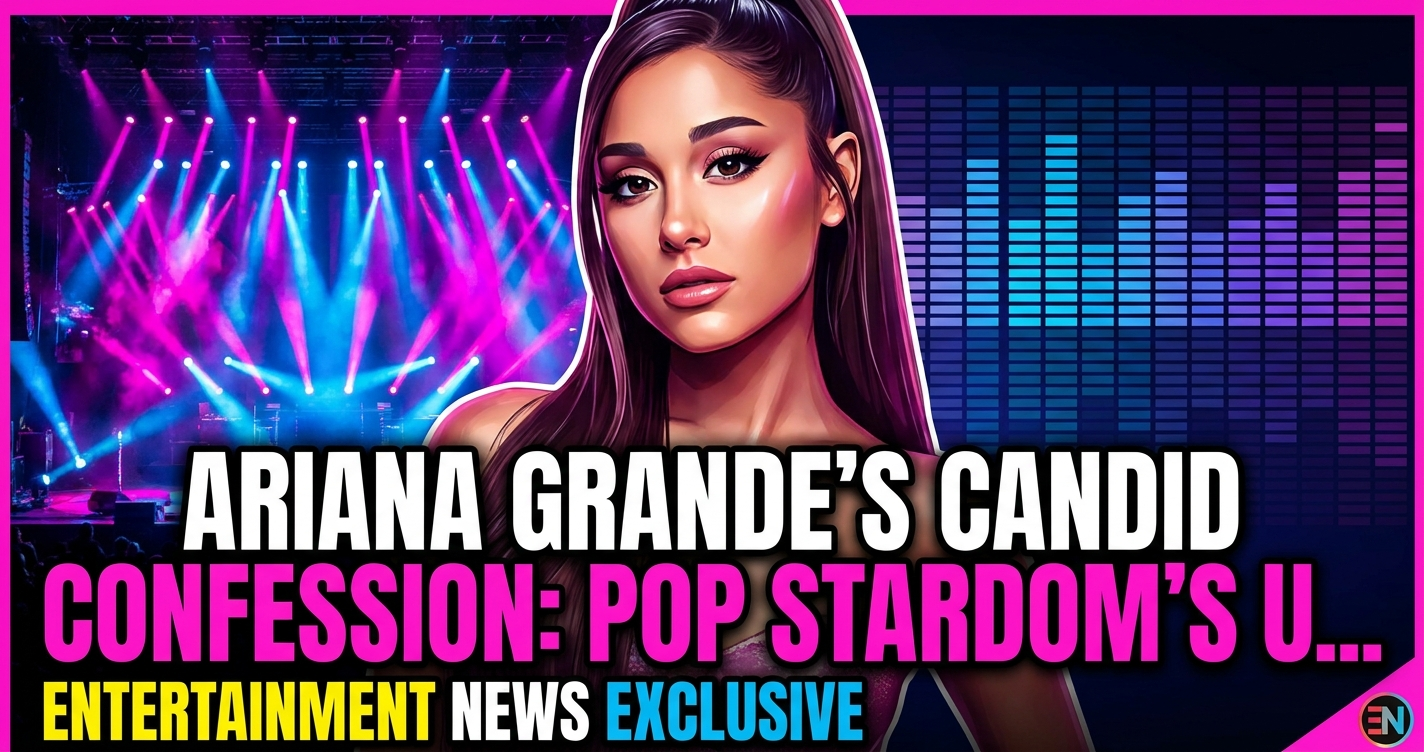
In a rare moment of unfiltered vulnerability, pop titan Ariana Grande paused her Chicago show recently, not for a wardrobe change or a surprise guest, but to deliver a heartfelt, four-minute address to her adoring fans. Her message? A raw, honest reflection on the need to ‘step back’ and prioritize her well-being amidst the relentless churn of superstardom. This wasn’t just a mid-set monologue; it was a potent signal from an artist at the very top of her game, echoing a growing chorus of voices within the music industry grappling with the profound costs of fame.
Grande’s decision to air her personal struggles so publicly, mid-performance, speaks volumes about the shifting landscape of celebrity. For years, artists were expected to maintain an impenetrable facade, their private lives divorced from their public personas. But as the lines blur and social media demands constant authenticity, the pressure to be ‘on’ 24/7 has become unbearable for many. Her speech, which resonated deeply with those present and quickly spread online, highlighted the immense weight carried by performers who are simultaneously expected to deliver flawless entertainment and navigate intense public scrutiny.
Ariana’s Unfiltered Moment: Balancing Public Persona with Private Reality
While the specifics of her need to ‘step back’ remain personal, industry observers have noted Grande’s demanding schedule. Beyond her chart-topping music, she’s been deep in production for the highly anticipated Wicked film adaptation, a role that requires immense dedication and time away from traditional music cycles. This public acknowledgment of needing a reprieve, even as her personal life — like recent sightings of ex-boyfriend Ricky Alvarez dancing in her audience — continues to fuel speculation, underscores the immense pressure cooker artists navigate daily. It’s a constant battle between public persona and private reality, where every public move is dissected, and every personal interaction can become front-page news.
The Broader Trend: Artists Under Pressure, Tours Canceled
Grande’s candor isn’t an isolated incident; it’s a high-profile example of a broader, increasingly urgent conversation in the music world. The demanding grind of touring, coupled with the ever-present glare of social media, is pushing even the most seasoned performers to their limits. Just recently, folk-pop sensation Noah Kahan issued a heartfelt apology after a last-minute cancellation of his highly anticipated New York City show, citing unforeseen circumstances and acknowledging fans ‘deserve better.’ Similarly, Kacey Musgraves, another artist celebrated for her authenticity, recently postponed three dates on her upcoming tour, a move that, while disappointing for fans, highlights the real-world constraints artists face.
Sources tell DailyDrama.com that the post-pandemic touring landscape, with its compressed schedules, heightened expectations, and often grueling travel, has only intensified these challenges. The sheer logistics, coupled with the emotional and physical toll of performing night after night, often leave little room for personal recovery or dealing with life’s inevitable bumps. This isn’t merely about physical exhaustion; it’s about the profound mental and emotional drain of living under a microscope.
A History of Highs and Lows: From Britney to Bieber
While the current climate might seem unique, the struggles of artists under the spotlight are as old as the industry itself. From the very public meltdowns of pop icons like Britney Spears to the quiet retreats of figures like Lauryn Hill, the entertainment world is littered with tales of performers buckling under the strain. What’s different now is the willingness of artists themselves, and increasingly, their teams, to openly discuss mental health and the need for self-preservation. Artists like Selena Gomez and Justin Bieber have been trailblazers in this regard, sharing their battles with anxiety and depression, effectively destigmatizing the conversation for a new generation of performers.
This increased transparency, while painful at times, is fostering a more empathetic relationship between artists and their fan bases, pushing the industry to confront its long-standing issues with artist welfare. The days of simply ‘sucking it up’ are, thankfully, becoming a relic of the past.
The Fan-Artist Contract Reimagined: Empathy vs. Expectation
This evolving dialogue is reshaping the unspoken contract between artists and their fans. While cancellations invariably lead to disappointment and logistical headaches, there’s a growing understanding and empathy from fan bases who recognize the humanity behind the stage lights. However, the expectation of perfect, uninterrupted performance remains a powerful force, especially given the financial investment fans make in tickets and travel. This creates a delicate tightrope walk for artists and their management: how to be authentic about struggles without alienating a paying audience. It’s a testament to the power of connection when an artist like Grande can share her vulnerability and largely receive an outpouring of support, rather than backlash.
What This Means for the Industry: A Shift Towards Sustainable Stardom?
For labels, promoters, and management companies, this trend presents a complex challenge and an opportunity. The traditional ‘push ’em until they drop’ mentality is slowly giving way to more proactive discussions around artist welfare. We’re seeing more clauses in contracts for mental health breaks, more readily available support systems, and a greater emphasis on sustainable touring schedules. The industry is slowly learning that a healthy, happy artist is a productive artist, and that longevity often trumps a relentless, burnout-inducing pace. This shift, while gradual, could fundamentally alter how tours are planned, how albums are promoted, and how talent is nurtured.
Ariana Grande’s Chicago confession wasn’t just a moment; it was a mirror reflecting the evolving landscape of pop stardom. As artists increasingly prioritize their well-being, the industry is being forced to adapt, recognizing the human cost behind the glittering facade. What remains to be seen is how deeply these changes will embed themselves. Will this lead to more sustainable careers for artists, or will the relentless demands of a global industry eventually revert to old habits? For now, DailyDrama.com will be watching closely as Grande navigates her ‘step back’ and as the music world continues to redefine success beyond just chart numbers and sold-out arenas.