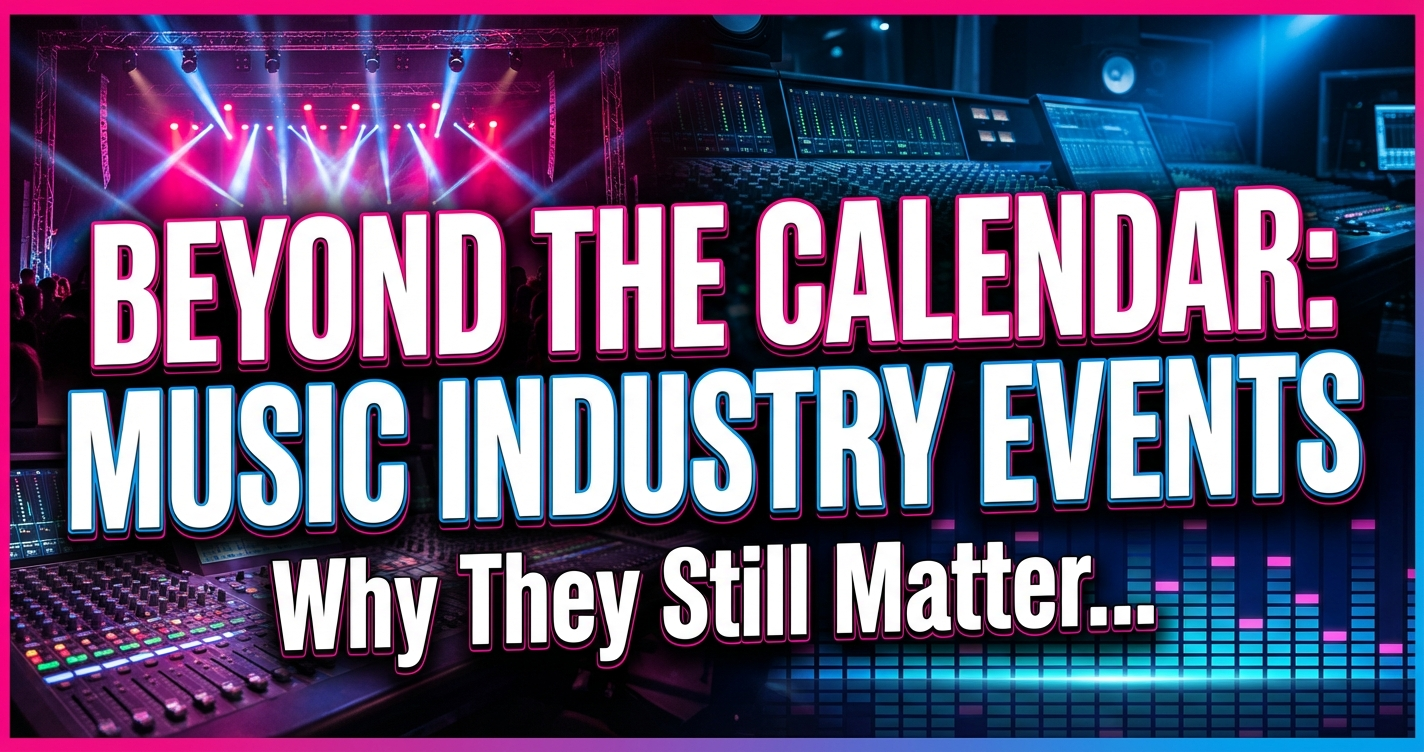
The music industry’s calendar isn’t just a list of dates; it’s the pulsating heartbeat of a global enterprise. From the dusty fields of Coachella to the gilded stages of the Grammys, and the bustling halls of industry conferences, these events are far more than mere gatherings. They are crucial battlegrounds for artist discovery, career-defining moments, and the forging of multi-million dollar deals. At DailyDrama.com, we’ve long tracked the ebb and flow of these tentpole moments, and what’s clear is that despite seismic shifts in consumption and technology, the live, in-person experience remains utterly indispensable.
Festivals: From Counterculture Dreams to Corporate Powerhouses
Once the domain of counterculture movements and grassroots gatherings, music festivals have undergone a dramatic transformation. Think back to the raw energy of Woodstock or the seminal Monterey Pop. Today, events like Glastonbury, Lollapalooza, and Primavera Sound are meticulously curated, multi-stage spectacles, often backed by behemoths like Live Nation and AEG. They are essential for an artist’s trajectory, offering unparalleled exposure and a direct connection with millions of fans.
“Festivals are no longer just about the music; they’re about the entire experience – the fashion, the food, the social media moments,” a veteran festival promoter recently told DailyDrama, emphasizing the shift. “For emerging artists, a strong festival run can catapult them into the mainstream. For headliners, it’s a statement of their enduring power.” We’ve seen countless acts break through or solidify their status on these stages, from Billie Eilish’s meteoric rise at Coachella to the global expansion of Afro Nation, showcasing the genre’s explosive reach.
Yet, challenges persist: sustainability, oversaturation, rising ticket prices, and the environmental impact are constant talking points. The industry is grappling with how to keep these experiences fresh, equitable, and accessible, particularly as fan expectations continue to climb.
Awards Season: Glitz, Glamour, and Growing Scrutiny
When the Grammys, AMAs, and VMAs roll around, the world tunes in. These award shows remain cultural touchstones, dominating social media and generating endless headlines. They offer unparalleled visibility for artists and a moment of collective celebration (or, let’s be honest, often, collective outrage).
However, their relevance is under increasing scrutiny. Debates around diversity, representation, and the selection process have become as much a part of the conversation as the red carpet fashion. Is the voting body truly reflective of the contemporary music landscape? Do these accolades still drive significant sales or streams in the way they once did, or are they primarily marketing spectacles?
An artist manager, who wished to remain anonymous, recently shared their perspective with us: “An award nomination still opens doors, especially internationally. It validates an artist’s work in a way that stream counts alone can’t always do for the mainstream. But the industry knows it has to evolve, to be more transparent and inclusive, or risk alienating the very fans and artists it seeks to celebrate.” The push for more diverse categories and a broader range of recognized genres, particularly in the wake of the #GrammysSoMale and #OscarsSoWhite movements, shows a clear, albeit slow, trajectory towards greater accountability.
The Unsung Heroes: Industry Conferences & Trade Shows
While festivals and awards grab the headlines, the true engine room of the music business often operates behind the scenes at conferences like SXSW’s Music Conference, Music Biz, and A2IM Indie Week. These events are where the deals are made, the trends are spotted, and the future is debated.
For independent labels, managers, and artists, these gatherings are invaluable. They offer networking opportunities with distributors, publishers, streaming platforms, and fellow creatives. Panels delve into everything from the nuances of sync licensing and global publishing rights to the impact of AI on creation and the evolving landscape of Web3 and NFTs. While the legendary MIDEM, once the quintessential global music trade fair, has faced its own struggles and transformations, the spirit of concentrated networking and knowledge-sharing lives on in its successors.
“You can learn more in three days at Music Biz than you might in months of cold calls,” a seasoned A&R executive told DailyDrama last year. “It’s where you hear about the next big thing before it becomes the next big thing, and where you connect with partners who can take your project to the next level.” The rise of regional conferences and specialized events focusing on specific genres or technologies further underscores the industry’s hunger for targeted collaboration and insight.
The Evolving Landscape: Digital Dominance Meets Global Ambition
The ubiquity of streaming and digital distribution has fundamentally altered how music is discovered and consumed. Yet, rather than diminishing the importance of live events, it has, in many ways, amplified it. Live performances and industry gatherings provide the human connection, the tactile experience, and the networking opportunities that algorithms simply cannot replicate.
We’re seeing a significant shift towards global markets, with a growing number of industry events and festivals emerging in Asia, Africa, and Latin America, reflecting the true worldwide reach of contemporary music. Hybrid event models, combining physical attendance with robust digital components, are also becoming standard, allowing broader participation and extending the lifespan of event content.
Looking ahead, expect the music industry events calendar to continue adapting. We anticipate an even greater emphasis on bespoke fan experiences, a stronger push for sustainable and inclusive practices, and continued integration of new technologies to enhance both the attendee and participant experience. The underlying truth remains: in an increasingly digital world, the power of face-to-face interaction and shared moments continues to drive the heartbeat of the music business forward.