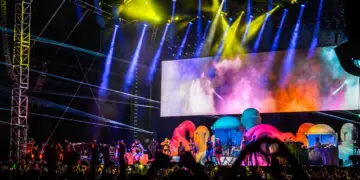
Seoul, South Korea — The air in the historic heart of Seoul crackled with an energy only BTS can ignite. Their recent homecoming concert wasn’t just another performance; it was a carefully orchestrated statement, a grand re-entry for the global titans of K-Pop. What struck industry observers and fans alike wasn’t just the sheer scale of the production or the palpable emotion, but the deliberate, almost audacious, focus on their latest album. This wasn’t merely a nostalgic greatest-hits run; it was a declaration of their evolving artistry and a reaffirmation of their unparalleled influence.
From the moment the lights hit the stage, it was clear BTS wasn’t resting on their laurels. Sources close to the production noted the significant allocation of setlist real estate to tracks from their newest offering. This strategic move speaks volumes about their confidence in their evolving sound and their commitment to pushing artistic boundaries, rather than simply pandering to the familiar. It’s a calculated risk in an industry often reliant on proven crowd-pleasers, yet for BTS, it underscored their ‘Chapter Two’ narrative, proving they’re not just back, they’ve grown.
A Strategic Soundscape Shift: Redefining the Comeback Playbook
In an era where many legacy acts rely heavily on their back catalog to anchor live shows, BTS’s decision to heavily feature new material is a bold play. It signals a group deeply invested in their current artistic direction, unafraid to challenge fan expectations and solidify a new sonic identity. Industry veterans often stress the importance of a compelling narrative around a comeback, and by prioritizing their latest work, BTS effectively communicated a message of growth and innovation. This approach helps to avoid the stagnation trap that can plague long-running groups, keeping their artistry fresh and their global fanbase engaged with their present, not just their past.
This strategy isn’t new to the K-Pop landscape, but BTS executes it with unmatched global visibility. Other prominent groups, from second-generation pioneers like BIGBANG to newer forces like Stray Kids, have also used their live shows to launch new eras. However, BTS’s reach means their every move sets a precedent. By showcasing the depth and breadth of their new album in such a high-profile setting, they not only promote the record but also educate their audience on their current artistic vision. It’s a masterclass in album rollout, extending the listening experience beyond streaming platforms directly into the visceral energy of a live concert.
The Unyielding Power of the Hallyu Wave: A Homecoming for Soft Power
Beyond the music, this concert was a potent symbol of South Korea’s ‘soft power.’ Held in the nation’s historic capital, it was more than just a performance; it was a grand homecoming for the ambassadors who have catapulted Korean culture onto the global stage. BTS’s journey, from a lesser-known agency to global superstardom, mirrors the exponential growth of the Hallyu (Korean Wave) itself. Their presence in Seoul, performing to a rapturous crowd and countless more watching worldwide, reaffirmed their status not just as entertainment figures, but as pivotal cultural entities.
The group’s ability to draw such immense global attention to South Korea, driving tourism, cultural interest, and economic impact, is unparalleled. This effect isn’t just anecdotal; studies consistently link K-Pop’s global rise, spearheaded by acts like BTS, to significant increases in Korean cultural exports. The concert served as a powerful reminder that while they tour the world, their roots, and thus a significant part of the Hallyu phenomenon, remain firmly planted in Seoul. It’s a testament to the meticulous planning and unwavering support from the Korean government and cultural institutions that have fostered this global phenomenon.
Beyond the Stage Lights: Dedication, Resilience, and Longevity
Adding another layer to the narrative was the remarkable dedication of leader RM, who reportedly performed through an ankle injury. This wasn’t a moment for pity, but a profound display of professionalism and commitment. In the high-stakes world of K-Pop, where the demands on idols are immense, such resilience resonates deeply with fans and industry peers alike. It’s a stark reminder of the sheer grit required to maintain their level of global performance, especially as individual members navigate military service and burgeoning solo careers.
The ability of BTS to regroup, re-strategize, and return stronger after individual ventures and mandatory military hiatuses is a blueprint for longevity in an often-fickle industry. Many groups struggle to maintain cohesion and momentum after such breaks. However, BTS has consistently shown an unmatched capacity for adaptation and unity. This comeback, with its new album focus and the members’ evident dedication, solidifies their position not just as a global phenomenon, but as a case study in sustained artistic and commercial success.
As the echoes of their Seoul homecoming fade, one thing is clear: BTS continues to write their own rules. Their strategic embrace of new music, coupled with their unwavering cultural impact and personal resilience, paints a picture of a group not just surviving, but thriving in their second chapter. For DailyDrama.com, we’ll be watching closely to see how this renewed artistic direction translates into their next global moves and how they continue to redefine what it means to be a modern music icon.