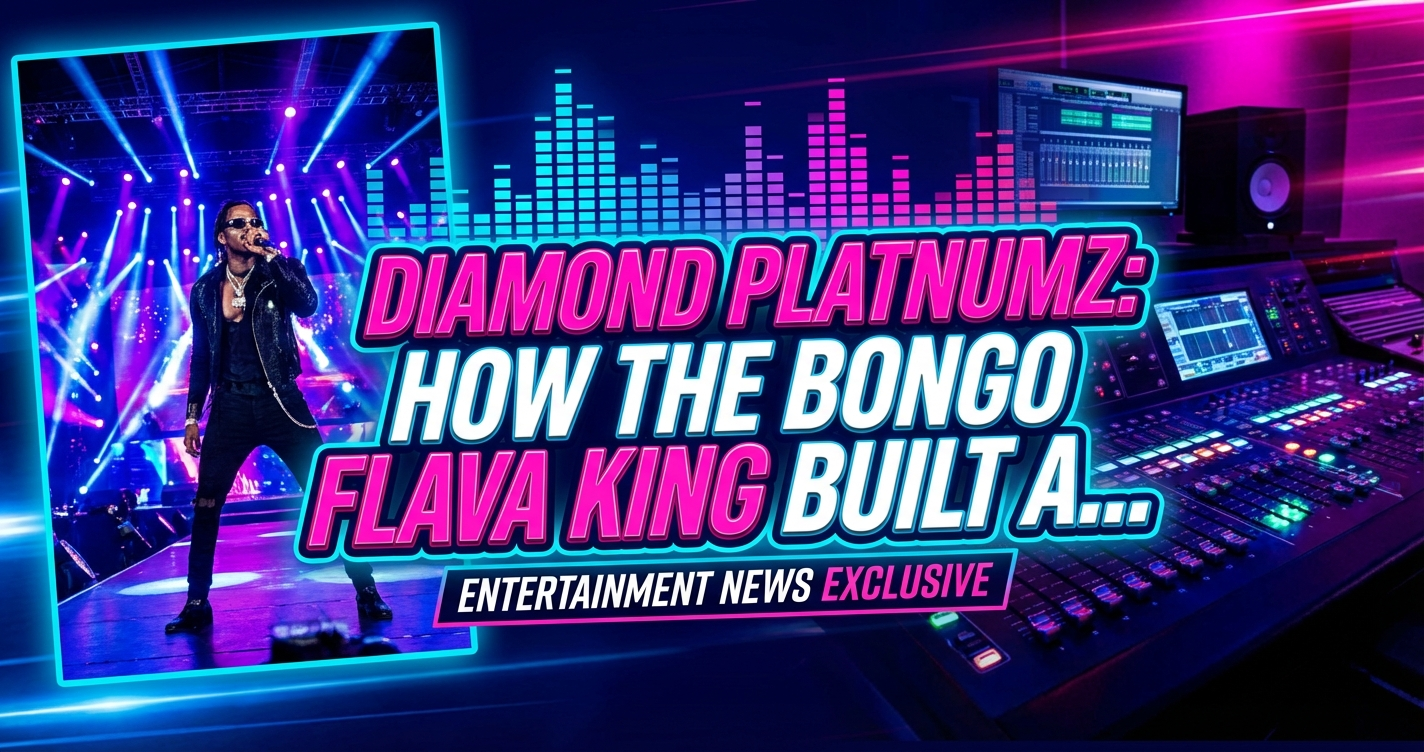
In the vibrant, ever-expanding landscape of African music, few names command as much attention, both musically and financially, as Diamond Platnumz. The Tanzanian superstar, often dubbed the ‘King of Bongo Flava,’ isn’t just topping charts; he’s topping wealth rankings, with an estimated net worth reportedly soaring past the $10 million mark. This isn’t just a testament to his musical prowess; it’s a masterclass in modern artist entrepreneurship, a blueprint for how a musician can transition from a cultural icon to a formidable business mogul.
For years, the narrative around African artists focused primarily on their creative output and cultural impact. While critical, the financial sustainability and wealth creation for artists in emerging markets were often overlooked. Diamond Platnumz, born Naseeb Abdul Juma Issack, has irrevocably shifted that conversation, demonstrating that with strategic vision and relentless ambition, an African artist can build an empire that rivals those in more established global markets. His success story isn’t just about music; it’s about shrewd business decisions, vertical integration, and an unwavering belief in his brand’s potential.
From Humble Beginnings to Regional Dominance
Diamond Platnumz’s journey began in Tandale, Dar es Salaam, a story he often recounts to inspire millions. His rise wasn’t overnight; it was a grind through the local music scene, marked by early hits like ‘Mbagala’ and ‘Kamwambie.’ But what set him apart wasn’t just his melodic voice or his captivating stage presence; it was his early understanding of the music business. He didn’t just want to be an artist; he wanted to own his narrative, his distribution, and ultimately, his destiny.
This vision crystallized with the founding of WCB Wasafi (Wasafi Classic Babies) in 2016. What started as a record label quickly evolved into a full-fledged entertainment conglomerate. WCB Wasafi became more than just a home for artists like Rayvanny and Zuchu; it became a talent incubator, a content powerhouse, and a formidable force that redefined the industry standards in East Africa. By controlling every aspect from music production and artist management to marketing and promotion, Diamond Platnumz ensured maximum revenue retention and brand consistency, a strategy that many international labels have employed but few African artists have managed to replicate on such a scale.
The Wasafi Ecosystem: A Blueprint for Vertical Integration
The genius of Diamond Platnumz’s empire lies in its vertical integration. WCB Wasafi isn’t just a label; it’s the nucleus of a broader media ecosystem. Recognizing the power of media ownership, he launched Wasafi TV and Wasafi FM, giving him unparalleled control over content dissemination and promotion. This move was revolutionary in the Tanzanian context, allowing him to bypass traditional gatekeepers and directly reach his massive fanbase across East Africa and the diaspora.
Industry analysts often point to this move as a game-changer. By owning his media outlets, Diamond Platnumz effectively created a self-sustaining promotional machine, a powerful platform not just for his own music but for the entire WCB roster and their affiliated brands. This strategic foresight has allowed him to build an impenetrable moat around his operations, ensuring that his content, and that of his artists, always has a prime platform, fostering a loyal audience and maximizing advertising revenue.
Beyond the Mic: Endorsements, Investments, and Diversification
While music and media are the core, Diamond Platnumz’s financial ascendancy is also fueled by a diverse portfolio of ventures and high-profile brand endorsements. He’s been the face of major brands like Pepsi, Parimatch (a betting company), Coral Paints, and Nice One (a fabric conditioner), among others. These aren’t just one-off deals; they are often multi-year partnerships that leverage his immense popularity and massive social media following – currently over 17 million on Instagram alone – to reach millions of consumers.
Sources close to the artist suggest that his investments extend into sectors like real estate, a common wealth-building strategy for successful individuals globally. This diversification hedges against the unpredictable nature of the entertainment industry and provides stable, long-term asset growth. It’s a savvy move that underscores his understanding that true wealth is built on multiple, interlocking income streams, not just on record sales or concert tours.
The African Mogul Blueprint: What’s Next for Artist Wealth?
Diamond Platnumz’s estimated $10 million net worth isn’t just a personal achievement; it’s a significant milestone for the entire African music industry. He’s proven that artists from the continent can not only achieve global recognition but also build substantial, diversified business empires comparable to their Western counterparts. While artists like Davido, Wizkid, and Burna Boy have also amassed impressive fortunes through music, tours, and endorsements, Diamond’s unique emphasis on media ownership and vertical integration in his home market offers a distinct model.
His success provides a powerful narrative for aspiring African musicians: that a career in music can be a pathway to serious entrepreneurial success and generational wealth. It challenges the traditional view of artists as mere entertainers and positions them as potent economic actors capable of creating jobs, stimulating local economies, and inspiring a new generation of creative entrepreneurs. The ongoing growth of streaming services, coupled with Africa’s booming youth population, suggests that the potential for artist-led business ventures is only set to skyrocket.
As the African music industry continues its meteoric rise on the global stage, expect more artists to follow in Diamond Platnumz’s footsteps, leveraging their cultural influence into tangible economic power. The era of the African music mogul has truly arrived, and Diamond Platnumz is undeniably one of its most compelling pioneers. What remains to be seen is how far he’ll expand his empire – perhaps into tech, or even further into pan-African media dominance. One thing is clear: the Bongo Flava king is playing a long game, and his reign over the business side of entertainment is far from over.