Drake’s Empire vs. The Machine: A High-Stakes Game for Music’s Top Spot
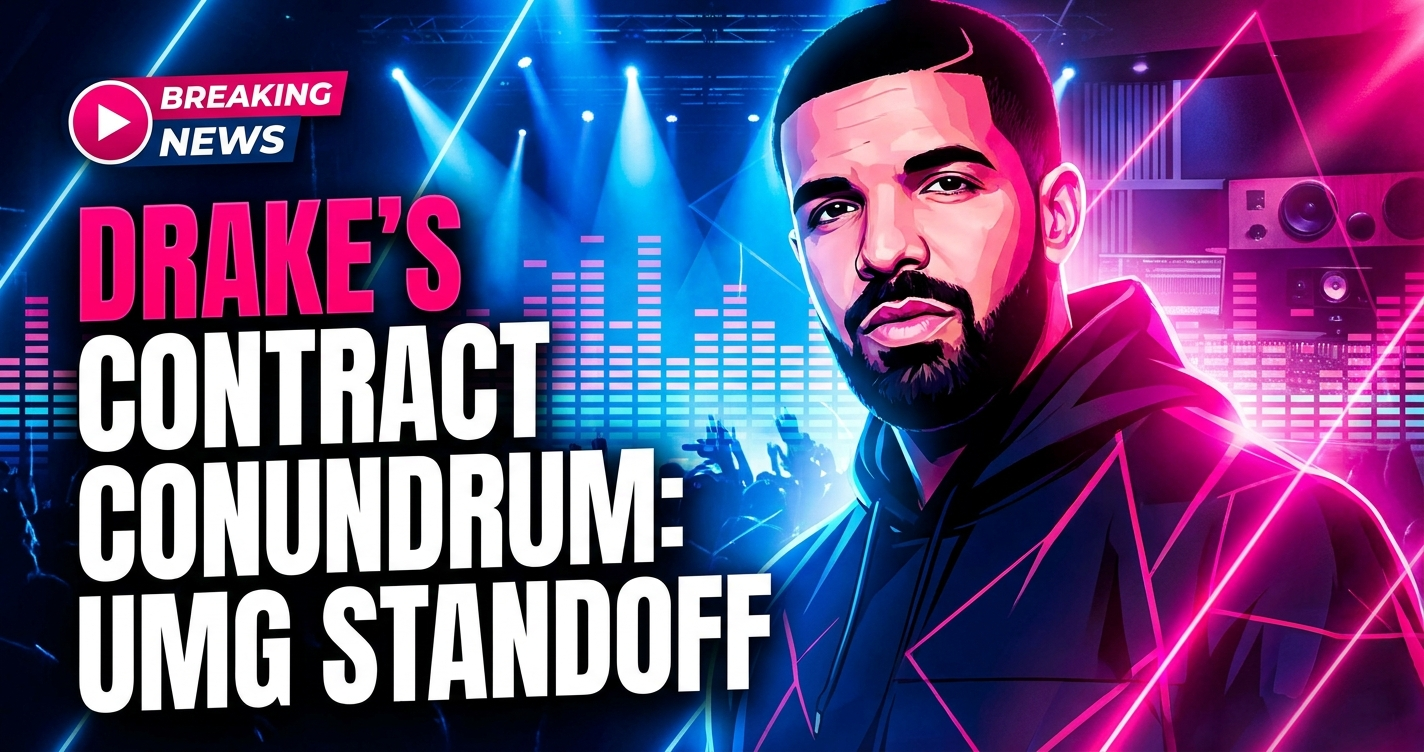
The music industry is abuzz, and it’s not just about Drake’s latest chart-topping dominance or his ongoing lyrical skirmishes. Beneath the surface of his recent prolific output, a far more significant battle is reportedly brewing: the future of his colossal record deal with Universal Music Group (UMG). Fresh reports, including insights from The New York Times’ Popcast and industry analyst Ray Daniels, paint a picture of a contract status that remains surprisingly ‘unclear’ even after multiple new projects from the Toronto titan.
For an artist of Drake’s unparalleled stature, whose every release generates seismic shifts in streaming numbers and cultural conversation, an ‘unclear’ contract isn’t just a bureaucratic hiccup. It’s a flashing red light, signaling a potential paradigm shift in how the industry’s biggest stars align – or disengage – from their corporate partners. And if Drake’s recent lyrical jabs are any indication, he’s not just taking aim at rap foes; he’s got the entire industry, and specifically his parent label, in his crosshairs.
From Young Money Phenom to OVO Mogul: Drake’s Evolving Independence
To understand the current dynamic, one must trace Drake’s journey from a promising Young Money protégé to the global phenomenon he is today. His initial deal, tied to Lil Wayne’s Cash Money Records (distributed by Republic Records, a UMG imprint), was foundational. But even early on, Drake displayed an acute business acumen, establishing his OVO Sound label and brand as a powerful entity in its own right.
Unlike many artists who remain beholden to traditional structures, Drake has consistently operated with a unique blend of label support and fierce independence. His OVO Sound imprint has launched careers, managed artists, and built a lifestyle empire that extends far beyond music. This dual identity has always positioned him as more of a partner to UMG than a conventional signee, a relationship built on mutual benefit but also underlying tension regarding ownership, control, and the division of increasingly massive profits.
Historically, artists like Prince famously battled Warner Bros. over creative control and master rights, while more recently, Taylor Swift’s bold re-recording strategy highlighted the immense power struggle over an artist’s catalog. Drake, however, operates from a position of unprecedented leverage in the streaming era, where his mere presence on a platform can move markets. The question now is: what does a global superstar like Drake need from a major label in 2024 that he can’t achieve, or even surpass, independently?
The ‘Unclear’ Contract: A Strategic Ambiguity?
The reports suggesting Drake’s contract with UMG is ‘unclear’ are intriguing. For an artist whose every move is meticulously calculated, this ambiguity feels less like an oversight and more like a deliberate, high-stakes negotiation tactic. It implies that the terms of engagement are either expired and being renegotiated, or that existing agreements are being reinterpreted in light of the evolving music landscape.
Industry insiders suggest that UMG, naturally, would want to retain Drake at almost any cost. His catalog is a goldmine, his new releases are guaranteed blockbusters, and his cultural influence is immeasurable. Losing him entirely would be a catastrophic blow. However, Drake, through his OVO Sound machine, has the infrastructure to distribute, market, and even fund his own projects on a global scale. What he might be seeking is a deal that reflects this reality: a partnership far removed from the traditional artist-label structure, perhaps focused solely on distribution, or one that grants him significantly greater ownership of his masters and a larger share of the revenue pie.
His recent lyrics, which have been interpreted as veiled shots at the industry’s exploitative practices and the perceived lack of respect from corporate entities, serve as a public pressure point. It’s a classic move: using the very platform provided by his artistry to air grievances and assert demands, essentially negotiating in plain sight. This isn’t just about money; it’s about power, legacy, and the ultimate control over his creative output and business empire.
The Future of Artist Deals: A Precedent in the Making
The outcome of Drake’s contractual negotiations will send ripples throughout the entire music industry. If he secures an unprecedented deal that grants him near-total autonomy and a significantly higher revenue split, it could empower other top-tier artists to demand similar terms. This trend of artists taking more control, owning their masters, and forming direct partnerships rather than traditional label deals is already gaining momentum, spearheaded by trailblazers like Jay-Z with Roc Nation and independent powerhouses. Drake’s situation could accelerate this shift dramatically.
Conversely, if UMG manages to lock him into a more traditional, albeit lucrative, long-term deal, it would underscore the enduring power of the major label system, even in an era of digital disruption. Whatever the resolution, it will likely redefine the parameters of what a superstar-label relationship looks like in the 21st century.
As DailyDrama.com continues to monitor this evolving story, one thing is clear: Drake isn’t just playing chess on the charts; he’s playing a high-stakes game of corporate strategy. The world watches to see if the OVO empire will forge an entirely new path or redefine the terms of its alliance with the global music machine.