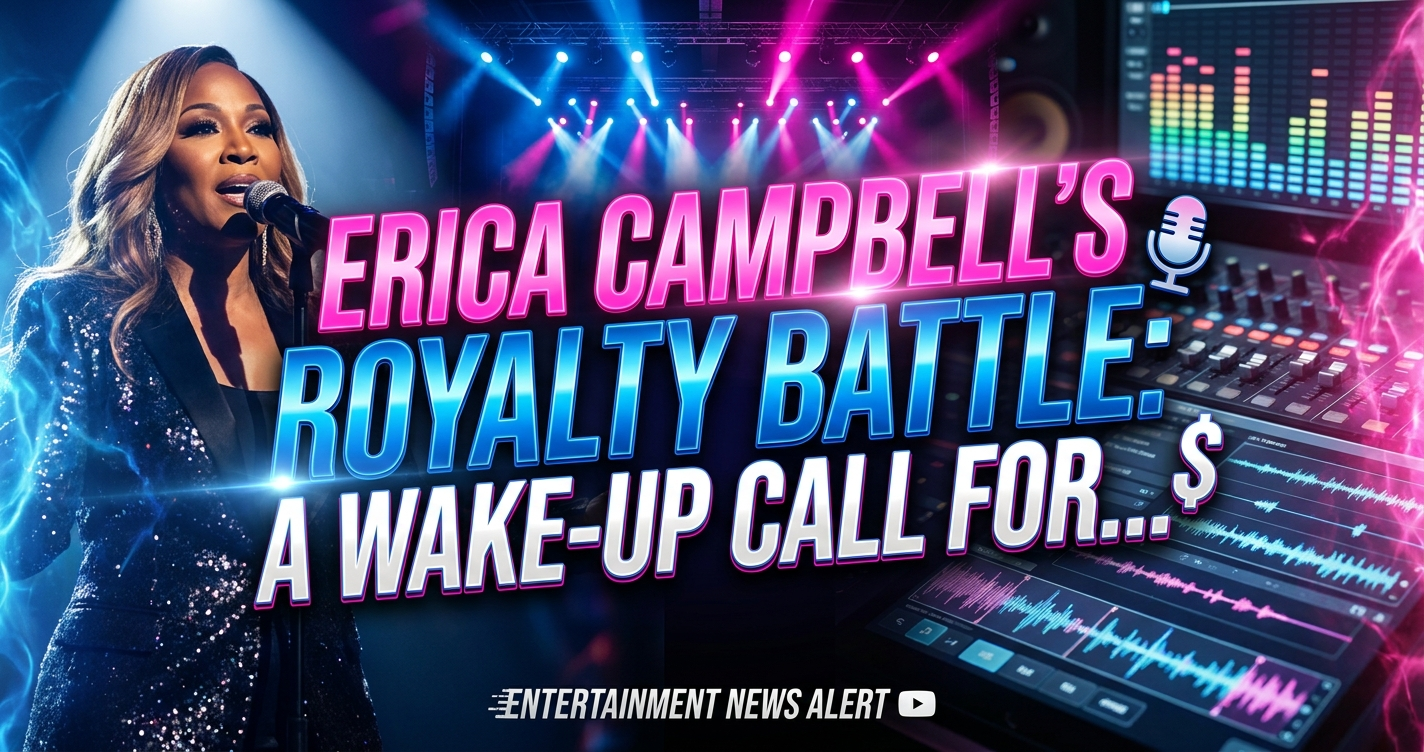
Gospel Superstar Erica Campbell’s Label Sues Distributor Over Royalties: Is This the Industry’s Next Big Transparency Battle?
The music industry is no stranger to high-stakes legal battles over compensation, but the latest news involving gospel powerhouse Erica Campbell is sending ripples far beyond the pews. DailyDrama.com has learned that Campbell’s record label, My Block Inc., has filed a lawsuit against distributor SRG/ILS Group, alleging improper accounting and unpaid royalties for her critically acclaimed 2023 album, “I Love You.” This isn’t just about one artist’s earnings; it’s a stark reminder of the persistent, often opaque, challenges artists face in getting their fair share in an increasingly complex digital landscape, especially within a genre often overlooked by mainstream industry scrutiny.
The Heart of the Dispute: Unpacking the Royalty Maze
At its core, the lawsuit against SRG/ILS Group centers on the distributor’s alleged failure to accurately account for and pay royalties generated by “I Love You.” Distributors play a crucial role in the modern music ecosystem, acting as the bridge between artists/labels and the myriad platforms where music is consumed – from streaming services like Spotify and Apple Music to digital download stores and physical retailers. They are responsible for collecting revenue, deducting their fees, and then remitting the artist’s or label’s share. When those numbers don’t add up, as My Block Inc. claims, trust erodes, and legal action often follows.
Sources close to the situation suggest that My Block Inc. has grown increasingly frustrated with the perceived lack of transparency and detailed reporting from SRG/ILS. While representatives for SRG/ILS Group have yet to issue a public statement regarding the ongoing litigation, this kind of dispute is a familiar tune in the industry. Artists, particularly those who have built their careers over decades, often find themselves navigating a labyrinth of contractual clauses and accounting statements that can feel designed to obscure rather than clarify.
A Familiar Tune: History Repeats Itself in the Digital Age
Erica Campbell, a multi-Grammy winner both as one half of the iconic duo Mary Mary and through her successful solo career, commands respect and influence. Her decision to pursue legal action through her label underscores a systemic issue that has plagued artists for generations. From the “black box” royalties of yesteryear – funds collected but never attributed to specific rights holders – to the modern-day complexities of micro-payouts from streaming, the fight for fair compensation has been a constant. The shift to digital distribution and streaming, while opening new avenues for reach, has also introduced new layers of complexity and opacity in royalty calculations.
This isn’t an isolated incident. We’ve seen countless artists, from legacy acts like TLC battling their former labels over digital royalties, to contemporary artists publicly calling for greater transparency from streaming platforms. The gospel music sector, while a robust and dedicated market, isn’t immune. In fact, sometimes, because it operates somewhat outside the ‘major label’ mainstream, artists within this genre might face even greater challenges in securing diligent oversight of their earnings. This lawsuit could well serve as a potent reminder for all independent artists to scrutinize their distribution agreements and audit their statements rigorously.
SRG/ILS Group: A Player in the Independent Landscape
SRG/ILS Group has positioned itself as a significant player in the independent distribution and label services space, often attracting established artists looking for more personalized attention or better terms than traditional major labels might offer. Their roster typically includes a diverse range of talent, making this lawsuit particularly noteworthy. When a high-profile artist like Erica Campbell, through her label, takes aim at a distributor, it casts a shadow not just on the immediate parties but on the entire independent ecosystem. It raises questions about the due diligence and accountability expected from companies entrusted with an artist’s livelihood.
What’s Next for the Gospel Queen and the Industry?
The legal process, as any seasoned industry observer knows, can be protracted and complex. However, the outcome of My Block Inc. v. SRG/ILS Group could have broader implications. Beyond the financial restitution for Erica Campbell, this case shines a spotlight on the critical need for absolute transparency and robust accountability in royalty reporting across the entire music industry. It might embolden other artists to review their own statements and agreements, potentially sparking a wider movement for auditing and legal challenges.
For DailyDrama.com, this story is more than just a headline; it’s a crucial development in the ongoing narrative of artists fighting for their worth. We’ll be watching closely as this case unfolds, eager to see if it becomes a catalyst for much-needed change in how artists, particularly those in the vibrant and often underserved gospel community, are compensated for their work. Will this lawsuit push distributors towards more open books? Only time will tell, but the message from Erica Campbell’s camp is clear: artists deserve to be paid fairly and transparently.