Grand Theft Auto VI: The Album – Atlantic and Rockstar Forge a New Path for Music and Gaming
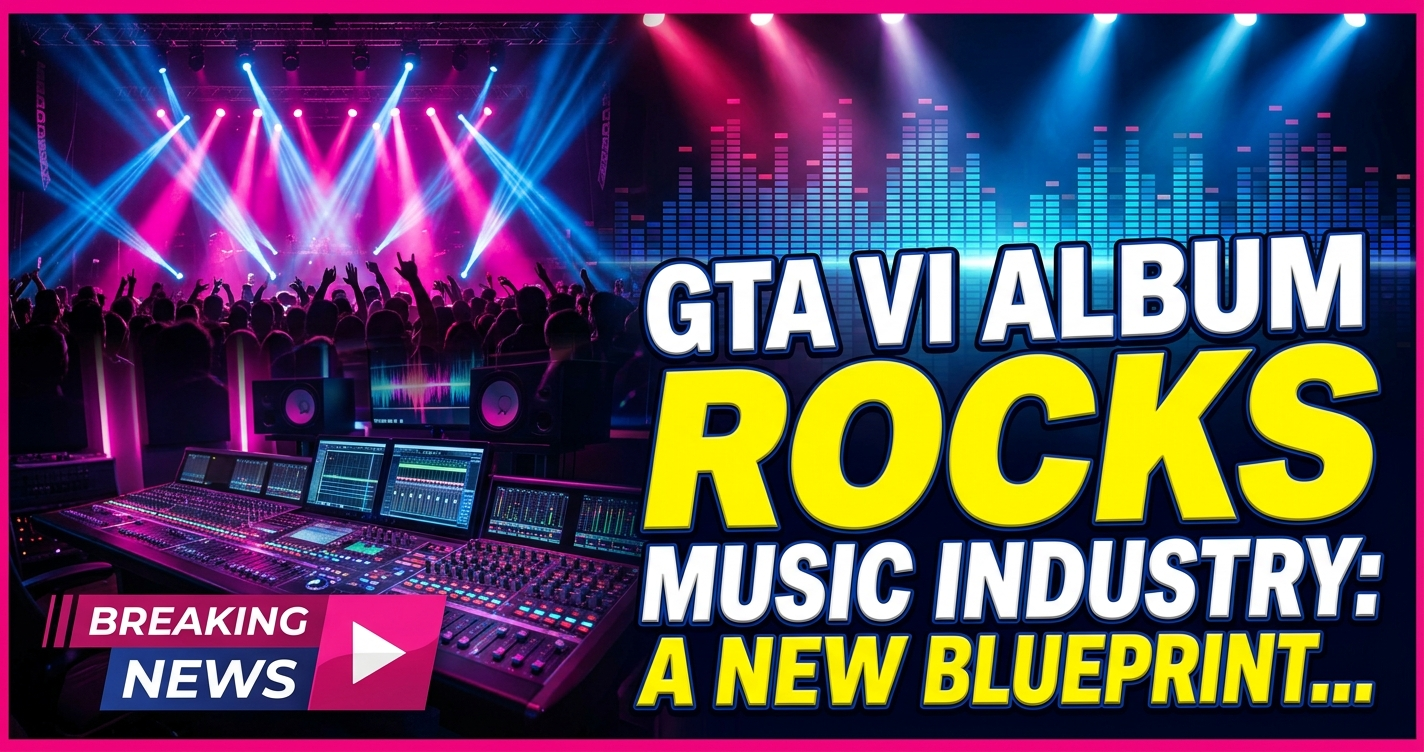
The entertainment world is abuzz, and not just with the usual chatter about chart-toppers or blockbuster films. This week, a bombshell announcement dropped that has reverberated through both the music and gaming industries: Atlantic Records and Rockstar Games are collaborating on ‘Grand Theft Auto VI: The Album,’ featuring a staggering 34 exclusive new tracks, including six pre-release singles. This isn’t merely a licensed soundtrack; it’s a full-blown musical endeavor, signaling a profound evolution in how major labels view the gargantuan reach of video games.
For DailyDrama.com, this isn’t just news; it’s a seismic shift that confirms what many industry insiders have long suspected: the lines between interactive entertainment and traditional music distribution are not just blurring, they’re dissolving entirely. Atlantic, under the Warner Music Group umbrella, isn’t just dipping its toes; they’re diving headfirst into the gaming behemoth, effectively treating a game launch as a major album cycle. The implications for artist development, revenue streams, and the very definition of a ‘hit’ are monumental.
GTA’s Sonic Legacy: From Radio Waves to Dedicated Albums
To truly grasp the significance of ‘Grand Theft Auto VI: The Album,’ we must first acknowledge the franchise’s unparalleled musical legacy. Since its inception, Grand Theft Auto has been as much about its curated radio stations as it has been about its groundbreaking gameplay. From the gritty 80s synth-pop of Vice City to the diverse hip-hop and rock anthems of San Andreas and GTA V, these in-game radio stations have served as cultural arbiters, introducing millions of players to new genres, rediscovering forgotten classics, and even launching careers. Artists like Kavinsky, N.W.A., and Flying Lotus owe a significant portion of their mainstream exposure to these virtual airwaves.
Previous GTA musical releases often comprised compilations of licensed tracks, sometimes supplemented by original scores. However, ‘Grand Theft Auto VI: The Album’ represents a drastic departure. The emphasis on “34 exclusive new tracks” means artists are creating original content specifically for this project, a level of integration that elevates the music from mere background accompaniment to an integral, standalone component of the entire GTA VI experience. This isn’t just a marketing tie-in; it’s a creative partnership designed to yield a cohesive musical statement that lives both within and outside the game world.
Atlantic’s Bold Play: Beyond Traditional Sync Licensing
Why is Atlantic Records taking such an aggressive stance? The answer lies in the sheer, undeniable power of the Grand Theft Auto franchise. Grand Theft Auto V has sold over 195 million copies worldwide, generating billions. The anticipation for GTA VI is unprecedented, promising a launch that will dwarf most major album releases in terms of global reach and cultural penetration. For Atlantic, this isn’t just a lucrative sync licensing deal – where existing songs are placed in media. This is a strategic pivot, leveraging a gaming platform as a primary distribution and discovery channel for new music.
A source close to the labels, speaking on background, noted, "This isn’t just about placing tracks; it’s about building an entire album ecosystem within a game that will be played by hundreds of millions. It’s a new frontier for artist development and revenue, far beyond what traditional streaming or radio can offer in terms of immediate, global impact." The decision to release six singles ahead of the album drop further underscores this strategy, treating the game’s cultural momentum as a promotional launchpad for a full-fledged music campaign.
The New Artist Gold Rush: Exposure and Revenue Redefined
For artists, particularly those signed to Atlantic or seeking a massive platform, ‘Grand Theft Auto VI: The Album’ could be a game-changer. Imagine the global exposure of having your track embedded in one of the most anticipated entertainment products of all time. This isn’t just about royalties from album sales or streams; it’s about brand building, tour opportunities, and the potential to reach an audience that might never encounter your music through conventional channels.
This initiative also opens up fascinating questions about artist compensation and creative freedom. Are artists being given carte blanche to explore new sounds that fit the GTA universe? What are the terms of their deals, considering the exclusivity and the sheer scale of the project? We can expect a diverse blend of genres, likely reflecting the eclectic, cutting-edge soundscapes GTA is known for, potentially featuring both established superstars and burgeoning talents looking for their breakout moment.
Blueprint for the Future? Gaming as the New Music Platform
The partnership between Atlantic and Rockstar sets a precedent that other major labels and game developers will undoubtedly scrutinize. Is this the blueprint for the future of album releases? Could we see other blockbuster franchises, from Call of Duty to Assassin’s Creed, adopting a similar strategy, creating bespoke albums with exclusive tracks tied directly to their game worlds? The implications extend beyond just music sales; it influences how artists are discovered, how music is consumed, and how entertainment ecosystems converge.
In an era where traditional album sales are waning and streaming royalties are often debated, finding innovative ways to connect artists with massive audiences is paramount. Rockstar Games, with its unparalleled ability to craft immersive worlds, combined with Atlantic’s musical prowess, could very well be forging the next evolution of the album cycle – one where a game launch is as anticipated for its music as it is for its gameplay.
What to watch for next: Keep an eye on the artist lineup and the rollout of those six singles. Their chart performance and critical reception will be key indicators of this ambitious project’s initial success. Furthermore, observe if competing labels and game studios begin to announce similar deep-dive musical collaborations for their own tentpole releases. The industry is watching, and the future of music promotion might just be playing out on our screens, controller in hand.