K-Pop’s Singapore Surge: Why 2026 & 2027 Are Already Stacked
The K-Pop machine never sleeps, but its planning department seems to be working overtime. While most of us are still trying to keep up with the current year’s concert calendar, industry whispers and early announcements confirm what DailyDrama.com has been tracking for months: Singapore is already locking in a robust slate of K-Pop concerts and festivals stretching deep into 2026 and even 2027. This isn’t just a sign of immense demand; it’s a strategic declaration of Singapore’s undeniable position as a top-tier K-Pop touring destination in Southeast Asia.
For fans, this forward visibility is a mixed blessing. On one hand, it offers ample time to save up and plan. On the other, it signals a hyper-competitive market where securing tickets for your bias group might require a long-term commitment. What’s driving this unprecedented long-term booking trend, and what does it mean for the future of live K-Pop entertainment in the region?
The Long Game: Why Agencies Are Booking Years Out
The days of last-minute concert announcements for major K-Pop acts are largely behind us. The global phenomenon that is K-Pop demands foresight and meticulous planning. Several factors contribute to this two-to-three-year booking horizon we’re now witnessing.
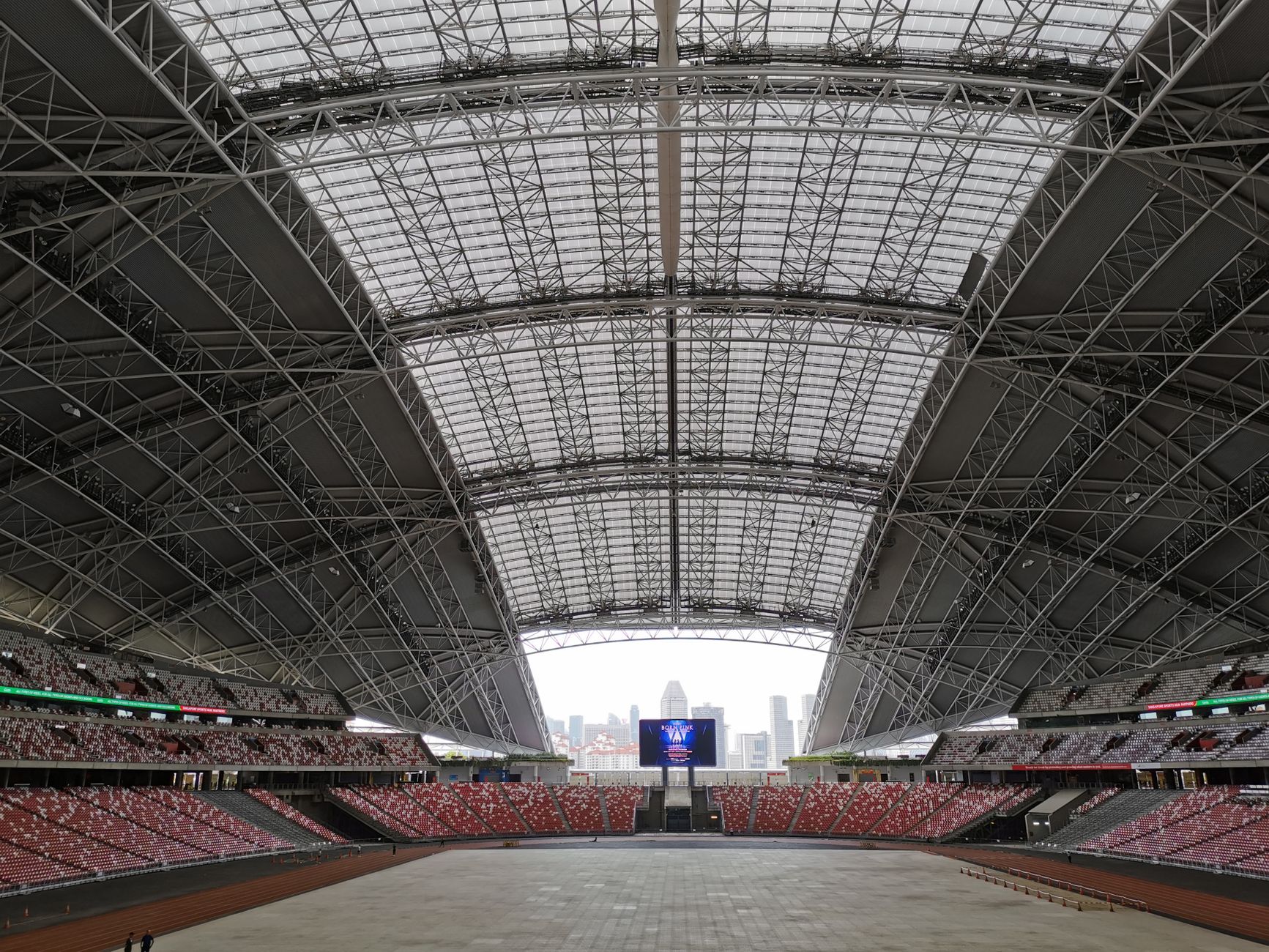
Firstly, the sheer scale of K-Pop tours has exploded. From intimate fan meetings a decade ago, we’re now talking about stadium-sized productions with elaborate sets, multiple dancers, and complex logistical requirements. Securing premium venues like the Singapore National Stadium or the Indoor Stadium years in advance is crucial, especially when competing with other global acts and major sporting events. Industry insiders suggest that for an act like global sensation BTS (currently on hiatus for military service, but their return is eagerly anticipated) or the powerhouse BLACKPINK, stadium availability is a major bottleneck.
Secondly, artist schedules are incredibly intricate. K-Pop idols often juggle album releases, variety show appearances, brand endorsements, and mandatory military enlistments (for male artists). Planning a world tour, particularly one hitting a crucial market like Southeast Asia, requires aligning these complex calendars. A source close to a major K-Pop agency, speaking on background, mentioned, "We’re looking at release cycles, comeback promotions, and then slotting in tour legs. To hit key markets like Singapore, you absolutely need to be thinking years ahead, especially with the global competition for prime dates."
Finally, the growing maturity of the K-Pop industry itself plays a role. Agencies and promoters are no longer just reacting to demand; they are proactively shaping the global touring landscape. This long-term strategy allows for better resource allocation, more effective marketing campaigns, and a more robust financial model for all stakeholders involved.
Singapore’s Status: A Premier K-Pop Hub (But For How Long?)
Singapore has meticulously cultivated its image as a global city, a hub for finance, culture, and increasingly, entertainment. Its strategic location, excellent infrastructure, strong economy, and a fervent K-Pop fanbase have made it a natural choice for major tours. The success of past events, from TWICE’s sold-out shows to the massive KCON festivals that have graced its shores, has built a solid reputation.
However, the forward-looking booking also raises questions about market sustainability. Is there a risk of oversaturation? While demand is currently high, could a continuous influx of concerts eventually lead to fan fatigue or dilute ticket sales? A prominent local promoter, who preferred not to be named discussing future strategies, acknowledged the tightrope walk: "Singapore has incredible purchasing power and a passionate fanbase. But we’re constantly evaluating the sweet spot – enough concerts to satisfy demand, but not so many that every show struggles. It’s a fine balance."
The city-state’s competitive advantage also comes from its government’s proactive support for the MICE (Meetings, Incentives, Conferences, and Exhibitions) sector, which includes major entertainment events. This support, coupled with state-of-the-art venues like the Singapore Sports Hub facilities, ensures a smooth and appealing environment for international acts. Yet, the limited number of truly large-scale venues means fierce competition for dates, pushing promoters to book further and further out.
The Fan Experience & The Price Tag
For the dedicated K-Pop fan, the experience is paramount. From collecting lightsticks to engaging in fan chants and elaborate fan projects, K-Pop concerts are immersive cultural events. This deep engagement fuels the demand that allows agencies to plan years ahead. Fans often express a willingness to pay premium prices for these experiences, viewing them as rare opportunities to connect with their idols.
However, the long-term planning also means that ticket prices for 2026 and 2027 events will likely continue their upward trajectory. As production values increase and demand remains high, so too do the costs. This trend has led to ongoing discussions within the fan community about accessibility and affordability, a sentiment echoed across various online K-Pop forums. The rise of VIP packages, offering soundcheck access and exclusive merchandise, further stratifies the fan experience, making the most coveted moments increasingly expensive.
Beyond the Idols: What’s Next for K-Pop in SEA?
Looking ahead to 2026 and 2027, we can anticipate not just individual group tours but also a continued proliferation of K-Pop festivals. Events like KCON and various "Music Bank" style concerts allow multiple acts to perform, offering a broader appeal and potentially more accessible price points for fans wanting to see a diverse lineup. This trend reflects a broader industry move towards experiential events that capitalize on the collective power of K-Pop’s diverse roster.
Furthermore, expect to see more emerging groups and solo artists breaking into the Southeast Asian market. While established acts like SEVENTEEN, Stray Kids, and IVE will undoubtedly fill stadiums, the next wave of K-Pop talent will also be eyeing Singapore as a crucial stepping stone for their global ambitions. The long booking window allows these newer acts to establish a fanbase and then confirm tour dates with confidence.
DailyDrama.com will be keeping a close eye on:
- New Venue Announcements: Will Singapore’s infrastructure adapt to the sustained demand, or will a "venue crunch" become a more pressing issue?
- Ticket Pricing Strategies: How will promoters balance demand with affordability in an increasingly competitive market?
- The Rise of Niche Acts: Beyond the big names, which burgeoning K-Pop groups will stake their claim in the Singaporean market in the coming years?
The K-Pop juggernaut shows no signs of slowing down, and Singapore remains firmly in its path. The next few years promise an exhilarating, if meticulously planned, ride for fans and industry alike.