The Unstoppable Roar: Rock & Metal Touring Hits a Fever Pitch
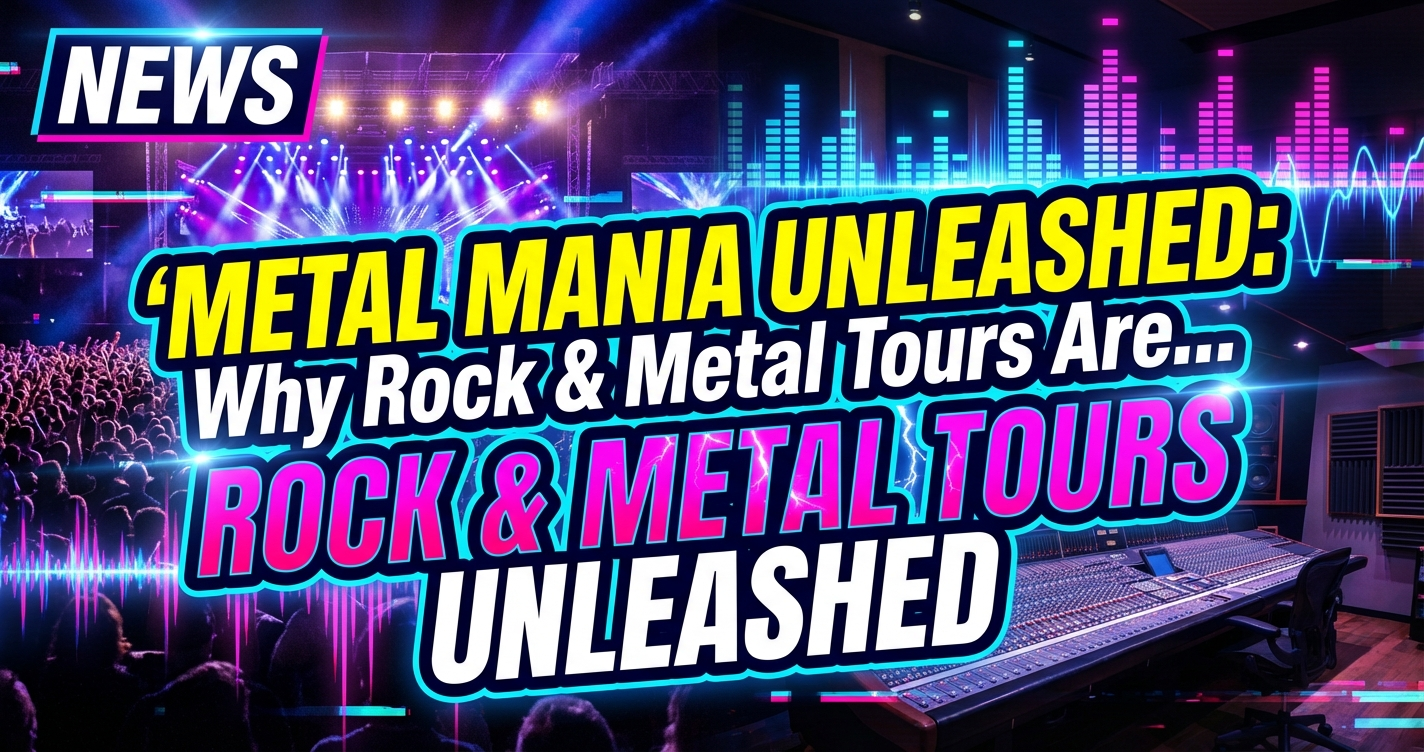
It seems the whispers from the underground have finally erupted into a full-blown roar across the music industry. DailyDrama.com has been tracking the palpable surge in live music, but even we’re taking note of the sheer volume of rock and metal tour announcements flooding our inboxes. In a single week, the sheer number of new tours hitting the wire is nothing short of staggering, hinting at a scene not just recovering, but thriving with an intensity not seen in years. From the early buzz around Summer Slaughter 2026 to countless other acts, both legendary and emerging, planting their flags on the touring calendar, it’s clear: live rock and metal are back with a vengeance.
This isn’t just a post-pandemic rebound; it feels like a genuine recalibration, a testament to the enduring power of heavy music and its dedicated fanbase. While other genres grapple with evolving consumption habits, rock and metal have consistently proven their live draw, and now, the floodgates have truly opened.
The Road Ahead: Why Now for Rock & Metal?
So, what’s fueling this unprecedented wave of heavy metal concert announcements? Part of it is undoubtedly pent-up demand. Fans, deprived of the cathartic release of a live show, are more eager than ever to experience their favorite bands in the flesh. But it’s more than just a return to normalcy. Industry veterans point to a confluence of factors:
- Technological Evolution: While streaming has fragmented revenue for recorded music, it has simultaneously expanded the reach of niche genres. Bands can connect with fans globally, making extensive tours more viable.
- The Experience Economy: In an age of digital saturation, live concerts offer an irreplaceable, tangible experience. Rock and metal, with their inherent theatricality and high-energy performances, are perfectly positioned to deliver this.
- Genre Resilience: Unlike some pop trends that can be fleeting, rock and metal have historically cultivated incredibly loyal, multi-generational fanbases. These fans aren’t just consumers; they’re part of a community, and live shows are their gathering grounds.
“We’re seeing bands realize that the road is where their true power lies,” an agent specializing in the heavy music circuit told us, speaking on background. “Album cycles are important, but the connection forged on stage, night after night, that’s what builds careers in this genre. And fans are willing to invest in that experience.”
Summer Slaughter 2026 and the Legacy of Extreme Tours
Perhaps one of the most exciting, if surprisingly early, announcements drawing attention is the reveal of the Summer Slaughter 2026 lineup and tour dates. For those deep in the extreme metal scene, Summer Slaughter isn’t just a tour; it’s an institution. Since its inception, it has been a crucial platform for showcasing the cutting edge of death metal, black metal, and metalcore, often featuring a blend of established titans and hungry newcomers.
The fact that details for a tour two years out are already public speaks volumes about the meticulous planning and strategic booking now required in the heavy touring landscape. It signals confidence from promoters and a clear demand from the audience. Historically, tours like Summer Slaughter, Ozzfest, and the Vans Warped Tour served as vital arteries for their respective scenes, introducing new bands to massive audiences and solidifying the cultural footprint of the genres. While the festival landscape has shifted, specialized tours like Summer Slaughter continue to carve out essential spaces for their subgenres, proving that the hunger for heavy, aggressive music remains insatiable.
Beyond the Mosh Pit: The Economics of the Road
Of course, this touring boom isn’t without its challenges. The economics of touring are more complex than ever. Production costs have soared, from fuel and lodging to crew wages and equipment rental. Yet, the willingness of fans to pay premium prices for tickets, VIP packages, and exclusive merchandise is helping to offset these rising expenses.
Independent promoters and smaller venues are finding creative ways to compete with the giants like Live Nation and AEG, often by curating more niche bills or focusing on underserved markets. This creates a vibrant ecosystem where both massive arena shows and intimate club gigs can thrive simultaneously. Bands are also becoming savvier entrepreneurs, leveraging social media directly to their fanbase, cutting out traditional middlemen where possible, and offering unique fan experiences that go beyond just a concert ticket.
The New Blood vs. The Veterans: A Balancing Act
One fascinating aspect of this current wave is the blend of generations on the road. Legacy acts, from foundational heavy metal pioneers to ’90s thrash titans, continue to draw massive crowds, fueled by nostalgia and the timeless appeal of their catalogs. But they’re not alone. A new generation of bands, often incorporating elements of modern metal, hardcore, and even progressive rock, are building dedicated followings through relentless touring and innovative approaches to songwriting.
The success of diverse lineups, where a seasoned act might headline with a couple of buzzworthy younger bands in support, is a smart strategy. It introduces the veterans to new ears and gives the up-and-comers crucial exposure. This cross-pollination ensures the genre’s longevity, demonstrating that heavy music is not just a relic of the past, but a constantly evolving, living entity.
What to Watch For Next
As the touring calendar continues to fill, DailyDrama.com will be watching closely for how these trends evolve. Will we see more cross-genre collaborations? How will sustainability and environmental concerns impact large-scale tours? One thing is certain: the stage lights are burning brighter than ever for rock and metal. Get ready to witness a monumental chapter in live music history unfold, one crushing riff and thunderous drum beat at a time.