Swift’s Foresight Pays Off: UMG Artists to Reap Spotify Windfall Thanks to 2018 Deal
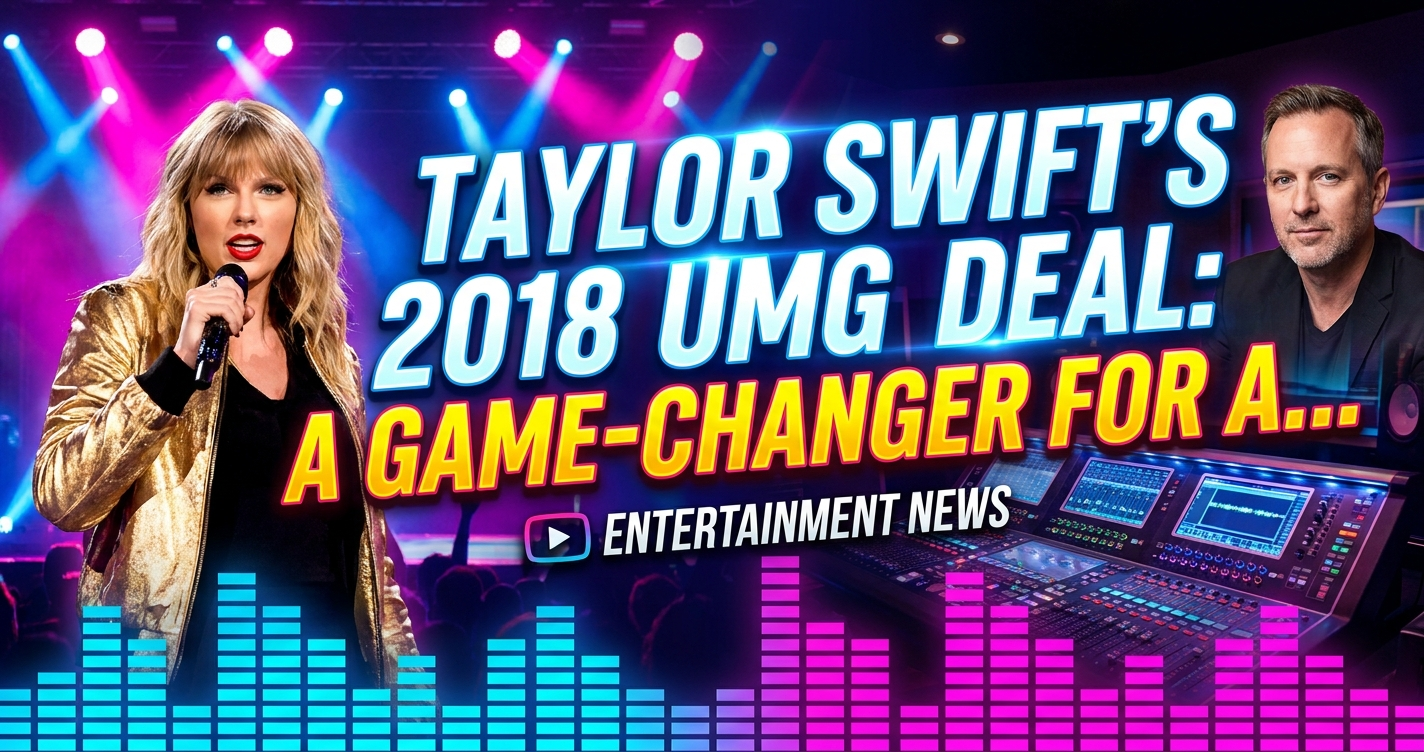
It’s a story that’s been brewing for years, a quiet revolution simmering beneath the surface of record deals, and now, it’s finally boiling over. On May 2nd, 2026, the music world received confirmation of what many industry insiders had long suspected: Universal Music Group (UMG) artists are set to profit handsomely from the label’s sale of its Spotify stake. This monumental development isn’t a benevolent gesture; it’s the direct result of a shrewd, precedent-setting deal brokered by none other than Taylor Swift in 2018, forever altering the landscape of artist-label relations. It’s a testament to Swift’s unparalleled business acumen and her unwavering commitment to artist empowerment.
For years, the major labels — Universal, Sony, and Warner — held significant equity in Spotify, a relic from the early days of streaming when they traded licensing rights for a piece of the then-fledgling platform. As Spotify grew into a multi-billion-dollar behemoth, those stakes became incredibly valuable. The question was always: would artists, whose music fueled this growth, see any of that windfall? The answer, for many, was a resounding ‘no,’ until now.
The Precedent: Sony and Warner’s Mixed Signals
Flashback to the mid-2010s. The streaming revolution was in full swing, and labels were sitting on goldmines in the form of their Spotify shares. When Sony Music and Warner Music Group began divesting their stakes, the industry held its breath, waiting to see how artists would fare. The outcomes were, to put it mildly, inconsistent.
Warner Music Group, under CEO Stephen Cooper, was the first to act, selling a significant portion of its Spotify shares in 2018. While the label committed to sharing profits with its artists, it came with a significant caveat: the funds would be non-recoupable against existing artist advances. This was a crucial distinction, meaning artists wouldn’t have to ‘pay back’ the label for money they already owed before seeing a dime from the Spotify sale. It was a step in the right direction, but not universally applied.
Sony Music’s approach was less clear-cut, leading to frustration among many artists who felt their contributions to Spotify’s success were being overlooked. While some artists under Sony’s umbrella reportedly received payouts, the overall transparency and commitment to a blanket profit-sharing model were perceived as lacking by many in the artist community. It highlighted a significant power imbalance, where labels could reap massive profits from artist-generated content without a clear mechanism for artists to share in the long-term equity growth.
The Swift Effect: A Deal That Changed Everything
Enter Taylor Swift. In 2018, fresh off the monumental success of her album Reputation and in the midst of negotiating a new record deal after departing Big Machine Label Group, Swift was perhaps the most powerful artist on the planet. She wasn’t just seeking a new home; she was looking to redefine the artist-label relationship. Her leverage was unprecedented, and she used it to secure a truly groundbreaking deal with Universal Music Group.
Sources close to the negotiations at the time indicated that Swift’s primary focus wasn’t just on her own terms, but on ensuring a more equitable future for *all* artists signed to her new label. A key clause in her UMG contract explicitly stipulated that any future proceeds from the sale of UMG’s Spotify shares would be distributed to artists, and critically, these payments would be non-recoupable. This was a seismic shift. An industry insider, who wished to remain anonymous due to ongoing label relationships, told DailyDrama.com, “Taylor didn’t just demand a better deal for herself; she used her power to lift up everyone around her. That non-recoupable clause for Spotify shares was revolutionary. It forced UMG’s hand in a way no other artist could have.”
This wasn’t just about Swift; it was about her vision for a fairer industry. Her previous public stances against Spotify’s royalty rates and her battle for artist ownership of masters had already cemented her as a formidable advocate for creator rights. This UMG deal was the ultimate manifestation of that advocacy.
The Ripple Effect: A New Era for Artist Empowerment?
Now, as UMG finally cashes in on its remaining Spotify stake, the terms of Swift’s 2018 deal mean that thousands of UMG artists – from established superstars to emerging talents – will receive a share of the profits. This isn’t pocket change; it’s potentially millions of dollars flowing directly into artists’ hands, free from the burden of recoupment. This move is expected to inject significant capital into the artist community, potentially funding new projects, tours, and creative endeavors without the immediate pressure of label advances.
Analysts believe this sets an undeniable precedent. Future negotiations between major artists and labels will undoubtedly feature similar demands. The ‘Swift Clause,’ as some are already calling it, could become a standard expectation, forcing labels to rethink how they share the spoils of their investments, especially those directly tied to the content artists create. It’s a powerful reminder that in an increasingly creator-driven economy, artists with significant leverage can truly reshape industry norms.
What to Watch For Next
The immediate aftermath will see how transparent UMG is with the distribution process and how other labels react. Will Sony and Warner face renewed pressure from their artists to revisit past payouts or implement similar non-recoupable clauses for future equity sales? More broadly, this story reignites the ongoing debate about streaming economics and artist compensation. Taylor Swift has once again proven herself not just an artist, but a powerful force for change. Her 2018 deal wasn’t just a contract; it was a manifesto for artist empowerment, and its impact is only just beginning to be fully realized. We’ll be watching closely to see which artists benefit most and how this truly reshapes the next generation of record deals.