The Unsettling Buzz: Why a ‘2026 Celebrity Deaths’ Headline Has Everyone Talking
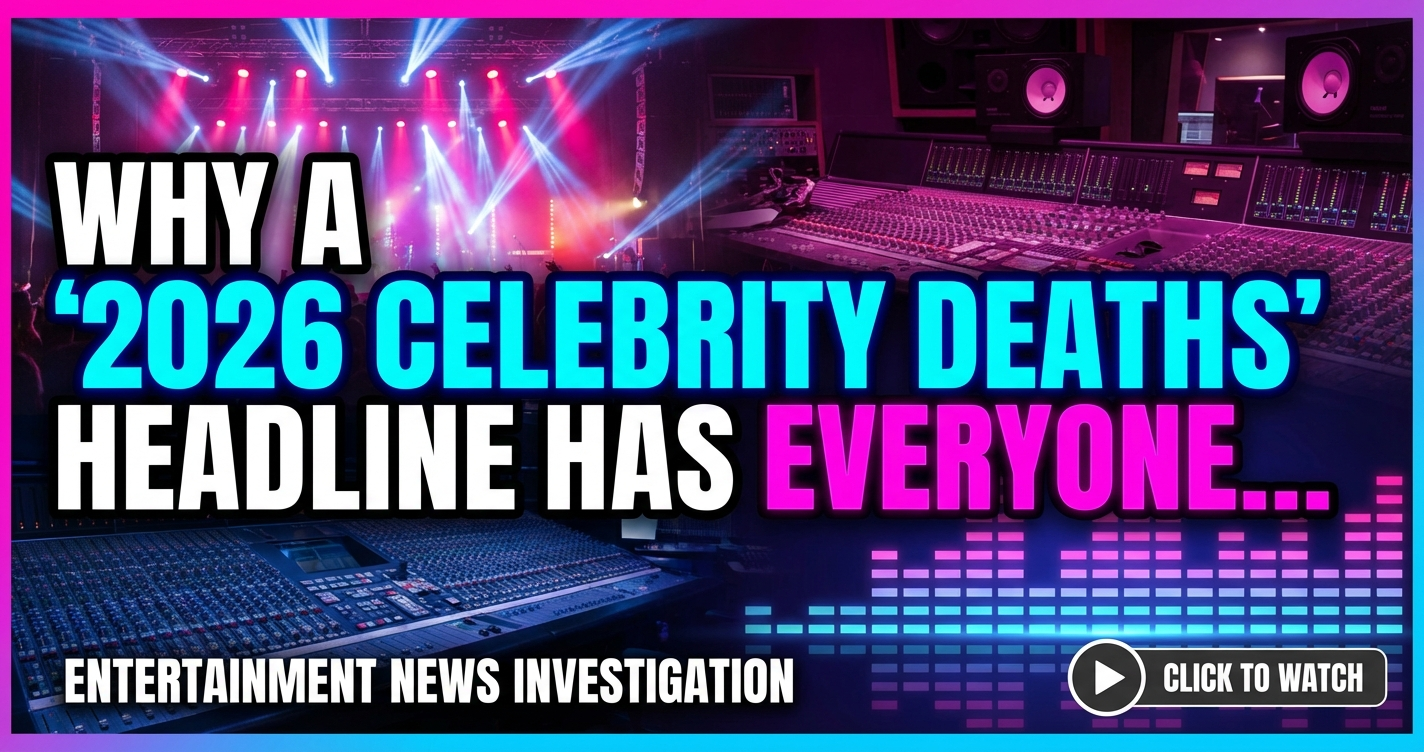
It’s a headline that stopped the internet in its tracks: “PHOTOS: 2026 celebrity deaths.” Posted by a respected news outlet, it was an anomaly, a temporal glitch that, for a fleeting moment, made us all collectively gasp. But beyond the initial confusion and inevitable corrections (or perhaps, a morbidly prescient crystal ball), this trending story has inadvertently sparked a far more profound and vital conversation about fame, mortality, and our enduring, complex relationship with the stars we adore. At DailyDrama, we’ve been watching the discourse unfold, and it’s clear this isn’t just about a headline; it’s about the uncomfortable, universal truth of loss in the public eye.
Every year, the entertainment world braces for the inevitable. Obituaries are prepared, tributes are planned, and collective grief washes over fanbases globally. From rock legends to cinematic titans, the passing of a beloved celebrity leaves an indelible mark, not just on their industry peers but on millions of lives they touched through their art. This premature ‘2026’ forecast, whether a typo, a placeholder, or a bizarre content experiment, has simply accelerated an annual reflection, forcing us to confront the fragility of life, even for those who seem larger than it.
The Inevitable Curtain Call: Grieving Our Icons
The entertainment industry is a perpetual cycle of new talent rising and established legends eventually fading. But when a star truly falls, the ripple effect is immense. Think back to the shockwaves sent by the sudden passing of David Bowie in 2016, a master of reinvention who left us with a final, poignant album, Blackstar, as his swan song. Or the profound sadness felt globally at the loss of Prince that same year, an unparalleled musical genius whose influence continues to shape pop culture. More recently, the entertainment landscape mourned the departure of titans like Tina Turner, a force of nature whose resilience inspired millions, and the heartbreaking loss of Matthew Perry, whose iconic portrayal of Chandler Bing brought joy to generations. Each of these moments wasn’t just a news story; it was a cultural event, a shared experience of grief that transcended borders and demographics.
These losses highlight the unique bond fans form with celebrities—a parasocial relationship that feels deeply personal, even if unreciprocated. We invite these artists into our homes through screens and speakers, they soundtrack our lives, and their characters become part of our personal narratives. When they’re gone, it feels like losing a distant, yet profoundly influential, friend or family member. This collective mourning is a testament to the power of art and celebrity, and the human need to connect with stories and storytellers.
The Business of Legacy: Preserving Stardom Beyond Life
For the music industry and Hollywood, the passing of a major artist also kicks off a complex process of legacy management. Estates become major entities, carefully curating posthumous releases, documentaries, and reissues that keep the artist’s work alive for new generations. The success of albums like Michael Jackson’s Xscape or the ongoing stream of Prince’s vault releases demonstrates a powerful commercial and artistic imperative to manage and extend an artist’s impact beyond their lifetime. This can be a delicate balance, honoring their vision while also navigating the commercial realities of the industry.
Furthermore, the conversation often turns to the “passing of the guard”—who will fill the void? Who carries the torch? While no one truly replaces an icon, their influence undeniably shapes the next wave of talent. We see artists constantly referencing their idols, sampling their beats, and embodying their spirit, ensuring a continuous thread of inspiration through the decades. This continuity is vital for the industry’s evolution and for keeping the memory of legends vibrant.
Social Media’s Role: Instant Grief, Global Tributes
In the pre-internet era, news of a celebrity death would spread through TV broadcasts, radio, and newspapers, with tributes unfolding over days. Today, the moment a major celebrity passes, social media explodes. Twitter (now X), Instagram, and TikTok become immediate global memorials. Fans share favorite clips, quotes, and personal stories, creating a real-time, collective outpouring of emotion. This instantaneity amplifies the sense of shared loss, but also, at times, fuels misinformation or morbid speculation, as seen with the initial confusion surrounding the ‘2026’ headline itself.
Platforms like TikTok, in particular, have become a fascinating space for memorializing. Younger generations, who might not have experienced an artist’s prime, discover their work through viral trends and tribute edits, ensuring their legacy continues to resonate with new audiences. It’s a powerful, if sometimes chaotic, evolution of public mourning, reflecting our hyper-connected world.
What the ‘2026’ Headline Really Tells Us
The trending “2026 celebrity deaths” headline, despite its bizarre nature, serves as a potent reminder of our collective fascination with fame and mortality. It underscores our vulnerability to clickbait, our eagerness to engage with the sensational, and perhaps, a subconscious desire to prepare for the inevitable. For us at DailyDrama, it’s a call to reflect on how we cover these stories with sensitivity, accuracy, and depth, honoring the legacies without exploiting the grief.
As the entertainment industry continues its relentless march forward, new stars will rise, and eventually, more legends will depart. The conversation sparked by a peculiar headline about the future is ultimately about the present: how we cherish the artists we have, acknowledge their immense contributions, and prepare for the day their incredible journeys conclude. It’s a reminder that even in the dazzling world of entertainment, the human experience—with all its joys and sorrows—remains universal.
What to Watch For Next
Beyond the oddity of a future-dated obituary gallery, expect the entertainment world to continue grappling with the ethics of posthumous releases, the evolving role of digital avatars, and the ever-present challenge of preserving artistic legacies. As technology advances, so too will the ways we mourn and remember our beloved icons. The conversation about celebrity mortality is far from over; it’s simply evolving.