The Unseen Gravity: Why Music Industry Events Remain Indispensable
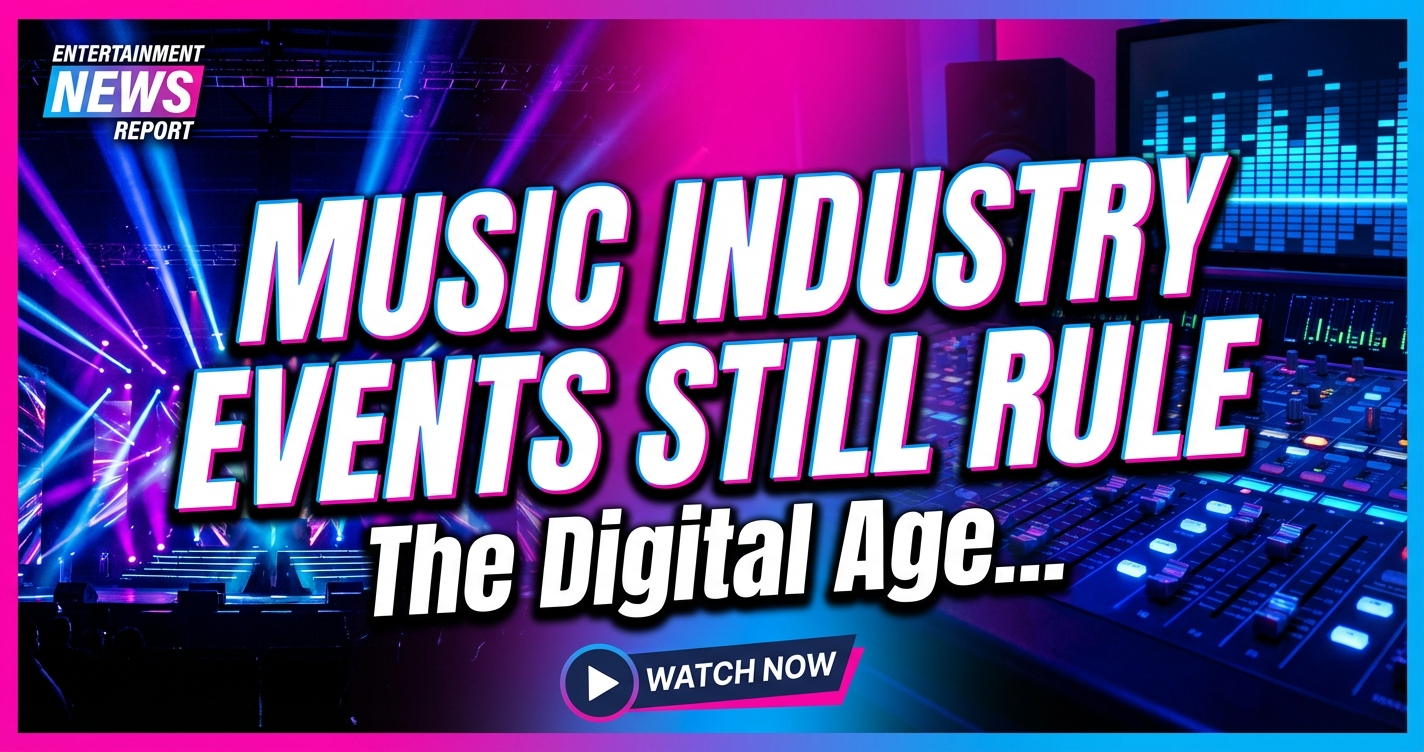
In an era dominated by algorithms, streaming numbers, and direct-to-fan digital interaction, it’s easy to assume the traditional gathering might be a relic. Yet, anyone truly plugged into the pulse of the business knows that the annual calendar of music industry events — from the sprawling spectacle of Coachella to the intense networking of a publishing summit — remains the beating heart, the crucial crucible where deals are forged, stars are born, and the future of sound is collectively decided. These aren’t just dates on a calendar; they’re the gravitational pull that brings an entire, often fragmented, ecosystem together.
For decades, I’ve watched these events evolve. From the days when A&R reps stalked smoky club stages at CMJ (R.I.P.) to the sleek, brand-sponsored activations at SXSW, the core truth remains: human connection, shared experience, and the electricity of live music cannot be replicated by a Zoom call or a Spotify playlist. This is where the magic, and the money, happens.
The Deal-Making Hubs: Where Business Gets Done (and Celebrated)
Think of the major awards shows — the Grammys, the Latin Grammys, the CMA Awards, the VMAs. Beyond the red carpet glamour and acceptance speeches, these are high-stakes industry gatherings. The week leading up to the Grammys, for instance, is a blur of label parties, private showcases, and power breakfasts. It’s where managers subtly pitch their rising talent, where publishers discuss sync opportunities, and where streaming executives solidify partnerships. A veteran A&R executive once quipped to me, paraphrasing, that “the real awards are the deals struck between cocktails at the after-parties.”
Then there are the dedicated conferences. Events like SXSW, once a niche Austin gathering, exploded into a global phenomenon, launching careers from John Mayer to Billie Eilish, and becoming a convergence point for music, tech, and film. The Music Biz Conference and A2IM Indie Week are less about discovery and more about the nuts and bolts – the data, the trends, the legal frameworks, and the shifting economics of the industry. These are vital for independent labels, distributors, and artists navigating a complex landscape. They offer a deep dive into the analytics that drive decisions and provide crucial insight into monetization strategies beyond just streaming.
From Discovery to Domination: The Festival Circuit’s Enduring Power
If conferences are the boardroom, festivals are the main stage. The sheer scale and cultural impact of events like Coachella, Glastonbury, and Lollapalooza are undeniable. They are not just concerts; they are cultural touchstones, trend predictors, and massive economic engines. For artists, a strong festival showing can catapult them into the mainstream, solidify their fanbase, and translate into lucrative touring opportunities. Remember when Beyoncé’s ‘Homecoming’ performance at Coachella became a cultural moment that transcended music? That’s the power of the festival stage.
But it’s not just the giants. Niche festivals like Afrochella in Ghana, AmericanaFest in Nashville, or specialized electronic music gatherings provide vital platforms for specific genres and regional scenes. They foster community, celebrate diversity, and often serve as the incubators for the next wave of sound. These events are crucial for breaking artists who might not fit the mainstream mold, offering them a dedicated, passionate audience.
Beyond the Glitz: Niche & Regional Powerhouses Driving Innovation
While the major festivals and awards capture headlines, a significant portion of the industry’s engine runs on more specialized gatherings. Sync licensing conferences, for instance, are low on public glamour but high on financial impact. These are where music supervisors connect with publishers and labels to place tracks in films, TV shows, commercials, and video games – a revenue stream that has become increasingly vital in the streaming era. Similarly, regional music showcases and development programs provide essential groundwork for local scenes, fostering talent and building sustainable careers from the ground up.
The lessons learned from the pandemic also drove innovation. The pivot to hybrid events, blending in-person networking with virtual access, has opened up these crucial conversations to a wider, global audience, democratizing access to industry insights that were once exclusive to those who could afford to travel.
The Evolving Landscape: What to Watch For Next
The future of music industry events is dynamic. We’re seeing an increasing emphasis on sustainability, diversity, and genuine fan-artist engagement. Artists themselves are taking more control, curating their own festivals and experiences, blurring the lines between performer and promoter. Expect more tech integration, from AI-driven networking tools to immersive VR experiences, but never underestimate the enduring human desire for shared energy and face-to-face connection.
The industry calendar isn’t just a schedule; it’s a living document, reflecting the seismic shifts and exciting evolutions of music itself. To truly understand where music is headed, you need to be where the conversations are happening, where the artists are performing, and where the deals are being inked. Keep your eyes on these crucial gatherings – they’re telling us the story of tomorrow, today.