Hollywood’s Crystal Ball: Why We’re Talking 2026-27 TV Premiers Now
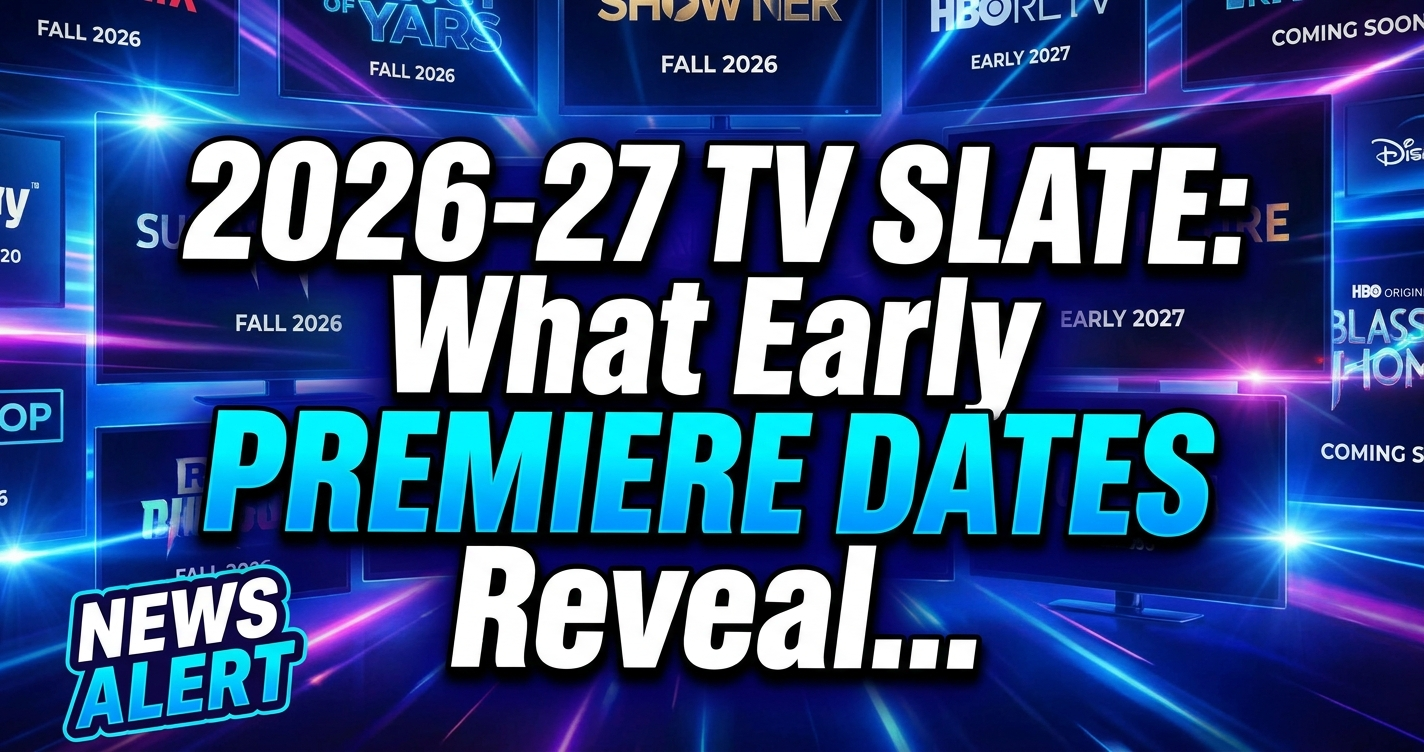
In an industry often obsessed with the next quarter’s ratings or the latest streaming drop, the mere existence of a continually updated list for 2026-27 TV premieres speaks volumes. It’s not just about filling a calendar; it’s a profound declaration of Hollywood’s long game, a strategic chess match being played out years in advance. For seasoned observers at DailyDrama.com, these early announcements aren’t just dates; they’re tea leaves, revealing the deepest anxieties, ambitions, and evolving strategies of networks, streamers, and studios in a relentlessly competitive media landscape.
Think about it: we’re still navigating the fallout from recent industry disruptions, production backlogs, and a significant recalibration of content spending, yet the biggest players are already laying stakes for what will entertain us three to four years down the line. This isn’t a sign of impatience; it’s a testament to the colossal investment, intricate planning, and high-stakes gamble required to launch a successful series in the modern era. It signifies a return to thoughtful, long-term development after years of the ‘throw everything at the wall’ streaming boom.
The Post-Strike Pipeline: Filling the Void and Building for Stability
The recent writers’ and actors’ strikes, while critical for fair compensation, threw a massive wrench into production schedules across the board. The scramble to greenlight projects and fill an increasingly hungry content pipeline has been intense. However, these 2026-27 dates suggest something more than just reactive filling; they point to a deliberate, proactive effort to rebuild and fortify content slates for sustained growth. Studios are no longer just thinking about the immediate future; they’re envisioning entire multi-year arcs for flagship shows and developing new franchises from the ground up.
“After the strikes, everyone realized the fragility of a short-sighted content strategy,” an industry veteran familiar with studio development recently told us, speaking on background. “You need a deep bench, not just a starting lineup. These 2026-27 announcements are about securing that depth, ensuring a steady stream of IP, and giving showrunners the runway they need to craft compelling stories without constant pressure to churn.” This sentiment underscores a shift towards quality over sheer quantity, a lesson hard-learned by some streaming giants who saw subscriber churn despite massive content libraries.
Broadcast’s Endurance vs. Streaming’s Evolution: Who Owns the Future?
The inclusion of both broadcast and streaming series on these future lists highlights the ongoing, fascinating dance between old and new media. For broadcast networks, securing 2026-27 dates means committing to their traditional model of stable programming blocks, relying on established procedural franchises, sitcoms, and competition shows that consistently deliver live viewership and advertising dollars. Think about the enduring power of a Dick Wolf universe or the continued appeal of a family sitcom – these are the bedrock of network television, and their future dates indicate unwavering confidence in their formula.
Meanwhile, for streamers, these early announcements signify a pivot. Gone are the days of secretive development until a mere few weeks before launch. Now, an increasing number of streaming platforms are adopting a more transparent, broadcast-like approach to scheduling, signaling their long-term intentions for tentpole series. This helps in building anticipation, securing talent, and, crucially, allowing for global marketing campaigns that require significant lead time. It also suggests a renewed focus on retaining subscribers through consistent, high-quality offerings rather than sporadic, splashy releases.
Showrunners like Shonda Rhimes or Taylor Sheridan, who have built empires on both traditional networks and streaming platforms, are prime examples of this dual strategy. Their ability to deliver compelling, high-production-value content consistently makes them invaluable assets, and securing their next projects years out is a strategic imperative for any platform seeking long-term dominance.
The Battle for IP and Talent: Securing the Next Big Thing
At the heart of these early commitments is the intense competition for intellectual property (IP) and the visionary talent behind it. Original concepts, established book adaptations, and beloved comic book universes are gold. Studios are aggressively locking down rights and signing multi-year overall deals with creators who have a proven track record of delivering hits. This isn’t just about a single show; it’s about building entire universes that can spin off multiple series, films, and even video games.
The ability to announce a show years in advance often means that a major piece of IP has been secured, a high-profile showrunner has committed, and a significant budget has been allocated. It’s a declaration of intent, signaling to competitors and audiences alike that a particular project is a priority. We’re seeing studios double down on genre fare that resonates globally, from sprawling fantasy epics to intricate sci-fi sagas, knowing these stories transcend cultural barriers and offer long-term merchandising potential.
What to Watch For Next
As we inch closer to 2026 and 2027, keep an eye on a few key indicators. Firstly, the balance between entirely new IP and established franchises; the industry will be looking for the next big original hit, not just reboots. Secondly, the continued blurring of lines between linear and streaming; will more ‘broadcast-style’ programming land on streamers, and vice-versa? Finally, the global reach of these projects. Are they designed for an international audience from day one, or are they domestic plays hoping for later overseas success? These early premiere dates aren’t just a calendar; they’re a blueprint for the future of entertainment. We’ll be watching every update.