Apple TV+’s Shifting Tides: An Era Ends for Its Prestige Dramas
The streaming wars are a relentless battlefield, and even the most gilded platforms aren’t immune to the winds of change. DailyDrama.com has learned that Apple TV+ is set to bid farewell to several of its marquee series, signaling a potential shift in strategy for the tech giant’s premium streaming arm. While For All Mankind will conclude its ambitious journey after a sixth season and star-studded The Morning Show will wrap up its high-stakes drama with its fifth, the glamorous dark comedy Palm Royale is reportedly bowing out after just two seasons. These decisions, coming to light in early 2026, speak volumes about the evolving economics of streaming and the delicate balance between prestige and performance.
For a streamer that launched with a clear mission of ‘quality over quantity’ and a seemingly bottomless budget, these endings aren’t just isolated cancellations; they’re vital data points in understanding where Apple TV+ is headed. Are these natural creative conclusions for shows that have run their course, or a more pragmatic re-evaluation in a market demanding greater efficiency? The truth, as always, is likely a complex blend of both.
The Sunset of Apple’s Flagship Sagas: For All Mankind and The Morning Show
The news of For All Mankind and The Morning Show reaching their planned conclusions after six and five seasons, respectively, marks the end of an era for Apple TV+. Both shows were integral to the platform’s initial launch and brand identity, establishing Apple as a serious player in the prestige TV landscape. For All Mankind, with its intricate alternate history narrative and stunning visual effects, carved out a dedicated fanbase and critical acclaim for its ambitious storytelling. Showrunner Ronald D. Moore, known for his work on Battlestar Galactica, masterfully balanced grand sci-fi concepts with deeply personal character arcs, making it a benchmark for speculative fiction on television.
Similarly, The Morning Show, boasting an A-list ensemble led by Jennifer Aniston and Reese Witherspoon, tackled timely and often controversial subjects within the cutthroat world of morning news. Its hefty per-episode budget became legendary, and its ability to attract and retain top-tier talent like Steve Carell, Julianna Margulies, and Jon Hamm underscored Apple’s commitment to star power. For these series to run for five and six seasons on a streamer is a significant achievement in an age where many shows struggle to get past two or three. It suggests that Apple provided the creative runway necessary for these complex narratives to reach their intended destinations, a luxury not all showrunners are afforded in today’s landscape.
Palm Royale‘s Brief, Gilded Moment
The decision to end Palm Royale after just two seasons, however, tells a different story. Despite its own stellar cast including Kristen Wiig, Laura Dern, Allison Janney, and Carol Burnett, and a lavish 1960s aesthetic, the series seemingly didn’t capture the sustained audience engagement or critical buzz required to justify its undoubtedly high production costs for a longer run. In an increasingly crowded market, even shows with significant star power and production values are facing a higher bar for renewal. It’s a stark reminder that while Apple initially seemed to operate with an “art for art’s sake” philosophy, the realities of subscriber retention and content spend eventually catch up to everyone.
This isn’t an isolated phenomenon. We’ve seen similar patterns across other platforms, where even well-received, expensive shows are given a shorter leash if they don’t immediately translate into massive viewership. The era of a show being allowed to “find its audience” over several seasons, a hallmark of traditional network television, is largely over in the streaming world unless it becomes an undeniable cultural phenomenon.
Apple TV+’s Evolving Calculus: Prestige, Performance, and the Bottom Line
These endings collectively paint a picture of Apple TV+ maturing beyond its initial phase of aggressive, no-holds-barred content acquisition. While the platform will undoubtedly continue to invest in high-quality, distinctive programming, the emphasis may be shifting towards a more balanced portfolio. We might see more limited series or shows with clearly defined arcs designed for a specific number of seasons, rather than open-ended commitments.
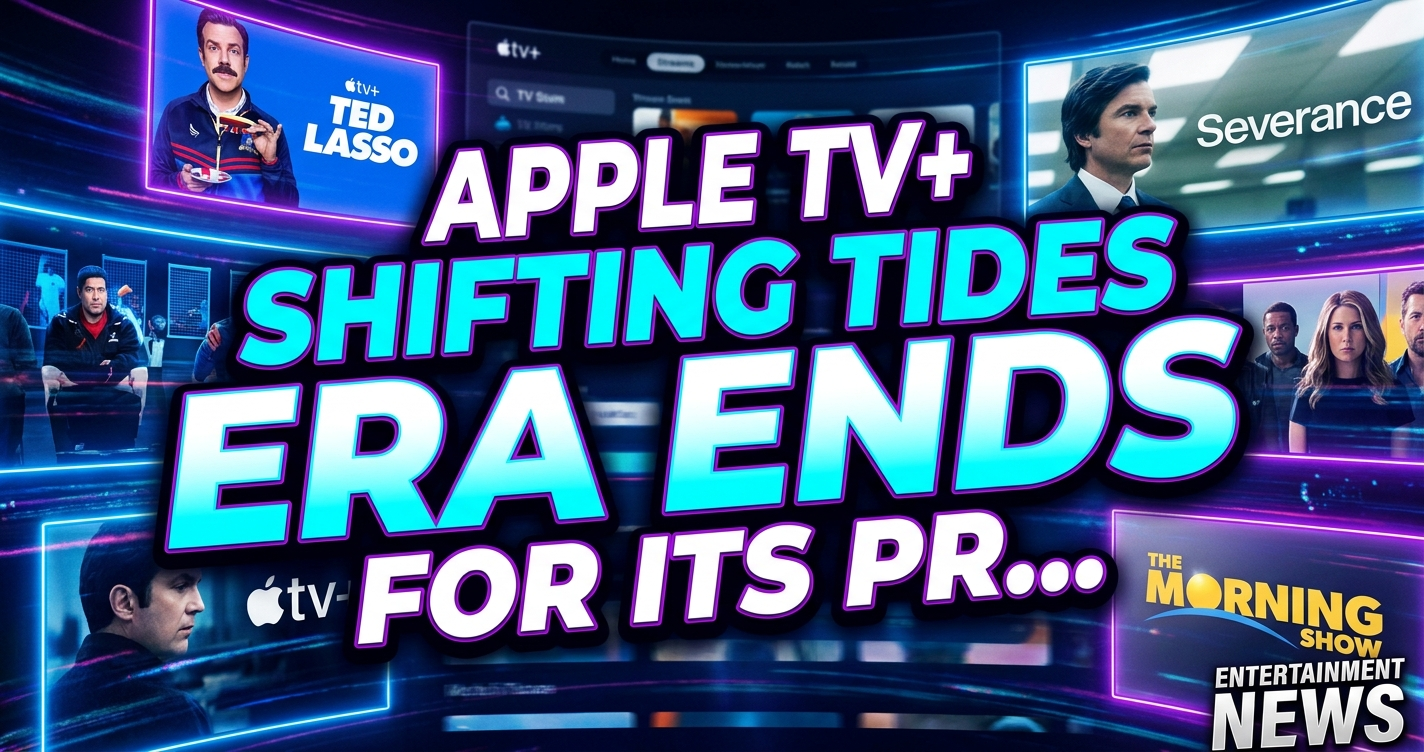
The industry chatter suggests a broader trend: streamers are scrutinizing ROI more closely than ever. The days of unlimited content spending are giving way to a more disciplined approach, where every renewal and new greenlight must demonstrably contribute to subscriber growth and retention. For Apple, this means leveraging its brand for unique, must-watch content, but doing so with a keener eye on the bottom line. The success of breakout hits like Ted Lasso and Severance demonstrates that unique voices can still break through, but the path to long-term sustainability for every high-budget drama is becoming narrower.
What to Watch For Next
As these beloved series make their final bows, the entertainment world will be watching closely to see what Apple TV+ prioritizes next. Will they double down on ambitious sci-fi and socially relevant dramas, perhaps with more contained narratives? Will the focus shift more heavily to genres that reliably attract broad audiences, or will they continue to take big swings on prestige projects, albeit with a more defined endpoint? The answers will not only shape Apple’s future but also offer valuable insights into the ongoing evolution of the entire streaming ecosystem.