Netflix Greenlights Black Mirror Season 8 While Doubling Down on Unscripted Hits
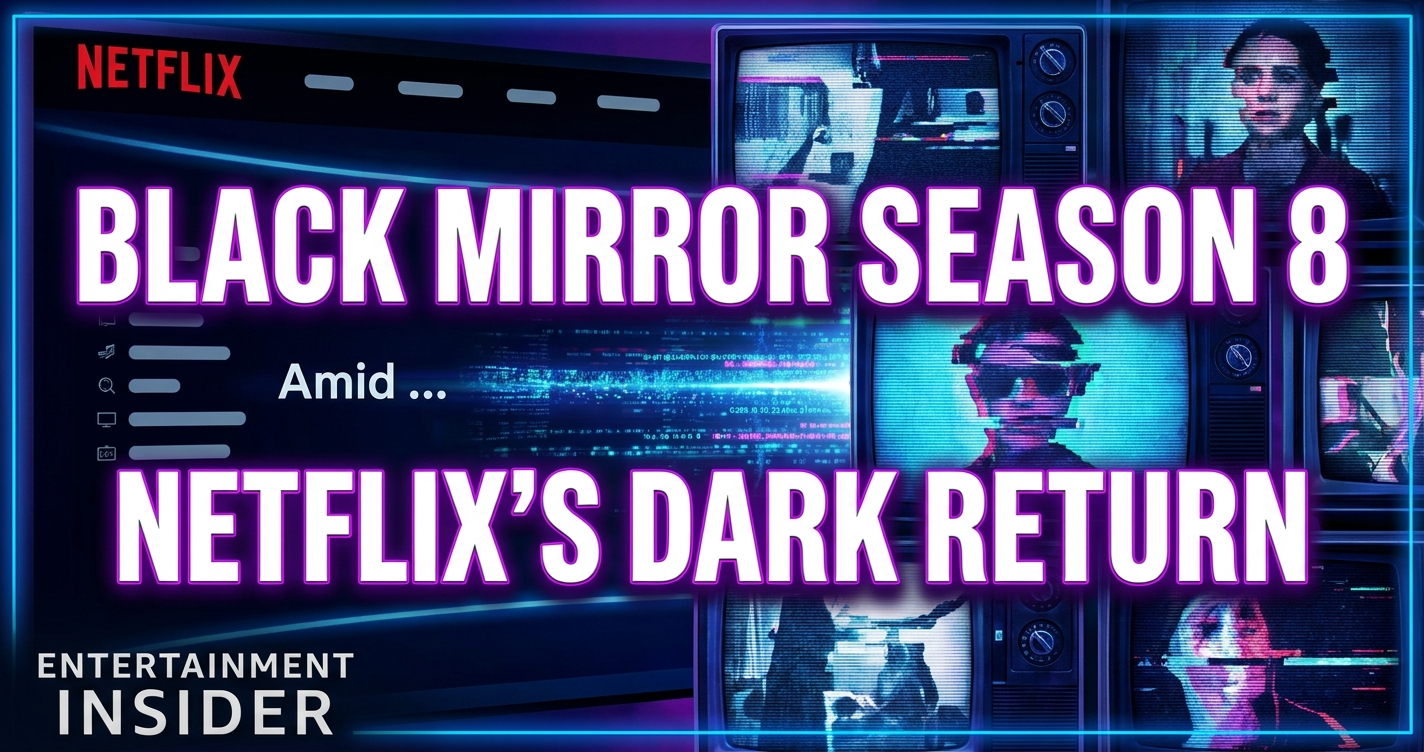
In a move that perfectly encapsulates Netflix’s evolving content strategy, the streaming giant has officially confirmed that Black Mirror Season 8 is now in production. This highly anticipated return to its signature anthology of tech-dystopian dread comes alongside the renewal of two distinctly different, yet equally valuable, unscripted series: Being Gordon Ramsay and Legends, both greenlit for a second season. It’s a fascinating snapshot of Netflix’s two-pronged approach: investing in high-concept, prestige drama that sparks global conversations, while simultaneously nurturing broad-appeal, personality-driven reality content that keeps the churn low and engagement high.
The Return of the Master of Modern Dread: What Season 8 Means for Black Mirror
For fans of creator Charlie Brooker’s chillingly prescient visions, the news of Black Mirror‘s eighth season is undoubtedly a sigh of relief. The series, which famously jumped from Channel 4 to Netflix, has become a cultural touchstone, often credited with popularizing the ‘tech-dystopia’ genre and making us all look at our smart devices with a renewed sense of unease. After Season 6 debuted to mixed, albeit passionate, reactions last year – its first batch of episodes since 2019 – the future felt somewhat uncertain. Brooker, alongside executive producer Annabel Jones, has consistently pushed the boundaries of speculative fiction, exploring the darker corners of humanity’s relationship with technology, social media, and artificial intelligence.
The anthology format has always been Black Mirror‘s superpower and its challenge. Each standalone story offers a fresh canvas, attracting top-tier talent for limited commitments and allowing for diverse narratives. However, it also means there’s no continuous character arc to hook viewers, relying solely on the strength of individual episodes. Industry insiders suggest that for Season 8, Brooker and his team are likely to continue exploring themes relevant to our rapidly changing world – perhaps diving deeper into the nuances of generative AI, the surveillance economy, or the psychological toll of hyper-connectivity. Given the show’s history of mirroring societal anxieties, whatever horrors emerge from Season 8 will undoubtedly resonate.
Unscripted Gold: The Power of Personality and Performance
While Black Mirror caters to the cerebral, often unsettling, side of its audience, the renewals of Being Gordon Ramsay and Legends underscore Netflix’s continued commitment to the lucrative and consistently popular unscripted genre. Gordon Ramsay is a veritable institution, a brand unto himself, and his foray into a more personal, behind-the-scenes docu-series format with Being Gordon Ramsay was a savvy move. Viewers are drawn to celebrity personalities, and Ramsay’s blend of culinary genius and explosive temperament makes for compelling television, offering a glimpse beyond the high-octane kitchen drama he’s known for.
Similarly, Legends, likely a biographical or sports docu-series in the vein of Netflix’s successful Drive to Survive or Chef’s Table, taps into the human desire for aspirational stories and deep dives into the lives of accomplished individuals. These types of shows are vital for streamers. They often boast lower production costs compared to big-budget dramas, appeal to a vast global audience, and provide consistent, binge-able content that helps retain subscribers. Netflix has a long history of investing in this space, from true-crime documentaries to lifestyle series, and these renewals signal that the strategy remains a cornerstone of their content pipeline.
Netflix’s Dual Play: Balancing Prestige and Broad Appeal
The simultaneous announcements highlight Netflix’s sophisticated, if sometimes contradictory, content strategy. On one hand, there’s the pursuit of prestige, critical acclaim, and cultural conversation starters like Black Mirror. These shows elevate the brand, attract awards, and draw in subscribers looking for sophisticated, thought-provoking television. On the other, there’s the steady, reliable stream of unscripted content that may not win Emmys for Best Drama, but consistently delivers eyeballs, satisfies diverse tastes, and offers a more accessible entry point for casual viewers.
This dual investment reflects the broader streaming wars. With competition fiercer than ever, platforms need to offer something for everyone. Relying solely on niche, high-brow content risks alienating a mass audience, while an exclusive focus on reality TV might deter subscribers seeking more elevated storytelling. Netflix, having matured from its early days of rapid subscriber growth, is now keenly focused on profitability and diversified appeal, making strategic investments across the genre spectrum. The success of shows like Squid Game or Stranger Things proves the power of global, high-concept hits, but the steady engagement of unscripted series is just as critical for long-term sustainability.
What’s Next for Netflix and Anthology TV?
The return of Black Mirror, combined with the continued success of unscripted programming, paints a clear picture of Netflix’s balanced approach to content creation. Expect to see the streamer continue to greenlight both groundbreaking, genre-defining dramas and reliable, personality-driven series. For anthology fans, Black Mirror‘s return could also spark renewed interest in the format, potentially paving the way for more experimental and star-studded standalone stories. As for unscripted, the demand for celebrity access and behind-the-scenes looks shows no sign of slowing, ensuring that the likes of Gordon Ramsay will remain a staple on our screens.