The Paradox of Peak Streaming: When Cancellation Isn’t the End
In the ever-shifting sands of television, few narratives are as perplexing — or as telling — as the one currently unfolding around Syfy’s Resident Alien. The quirky, beloved sci-fi dramedy, starring the inimitable Alan Tudyk, recently wrapped its fourth season, a bittersweet conclusion for a series that garnered critical acclaim and a fiercely loyal fanbase. Despite its seemingly robust performance and passionate following, the network pulled the plug, leaving many to wonder about the future of genre programming in a crowded media landscape.
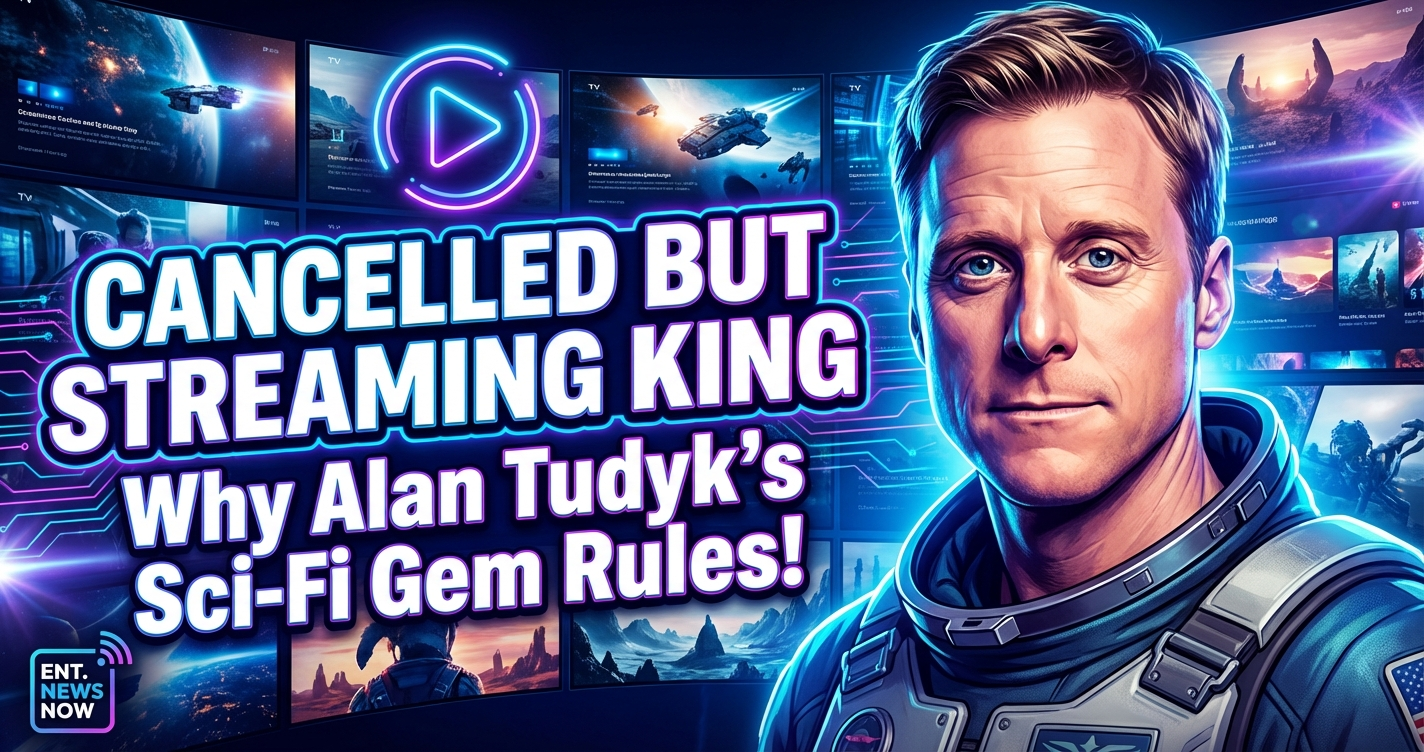
Yet, here’s the kicker: even after its cancellation, Resident Alien isn’t just surviving; it’s thriving. DailyDrama.com has learned from industry sources that the series continues to log impressive viewership numbers across its streaming platforms, often outperforming shows that are actively being promoted and renewed. It’s a testament to the show’s enduring appeal, the power of a dedicated audience, and, critically, the undeniable star power of its lead, Alan Tudyk. This isn’t just a story about one show; it’s a microcosm of the evolving metrics that define success (and failure) in the streaming era, where linear TV decisions often clash with digital longevity.
Alan Tudyk: Sci-Fi’s Quietly Remarkable MVP
For those who’ve been paying attention, Alan Tudyk’s career has been a masterclass in genre versatility and consistent excellence. He’s the actor you might not always recognize by name, but whose performances are unforgettable. From the tragicomic pilot Wash in the cult classic Firefly to the chilling villain Mr. Nobody in HBO Max’s Doom Patrol, and the sardonic droid K-2SO in Rogue One: A Star Wars Story, Tudyk has built an unparalleled resume within science fiction and fantasy. His ability to blend humor, pathos, and often physical comedy makes him a unique asset.
In Resident Alien, Tudyk found perhaps his most perfect vehicle yet. Playing an alien disguised as a small-town doctor, Harry Vanderspeigle, he delivered a performance that was simultaneously hilarious, deeply empathetic, and genuinely alien. The role allowed him to flex every muscle, from slapstick physical comedy to nuanced emotional beats, all while carrying the narrative weight of a complex character arc. It’s this magnetic performance that anchors the show and, arguably, fuels its continued streaming appeal. As one industry analyst recently put it, "Tudyk brings a level of character depth and rewatchability that few actors can match, especially in genre work. His fans follow him."
The "Collision" of Legacies: From Serenity to Patience, Colorado
The source article hints at a "collision" of Tudyk’s beloved projects, and it’s a profoundly accurate observation. Tudyk’s enduring presence in the sci-fi canon means that new viewers discovering Resident Alien might already be familiar with his work, whether from Firefly or another iconic role. This creates a powerful cross-pollination effect. Fans of his previous work are pre-disposed to give his new projects a look, and once they’re hooked by Resident Alien‘s charm, they often delve deeper into his filmography. It’s a virtuous cycle of fandom that ensures his projects have a longer tail than many others.
This phenomenon isn’t new. We saw it with the enduring legacy of Firefly, a show cancelled far too soon by Fox, only to find new life on DVD sales and later, streaming platforms, solidifying its place as a genre touchstone. Resident Alien seems poised to follow a similar trajectory, becoming a comfort watch, a binge-favorite, and a show that fans return to again and again. Its self-contained episodic nature, coupled with an overarching mystery, makes it ideal for rewatching, a critical factor for streaming success.
The Shifting Sands of TV Metrics: What Does "Success" Even Mean Anymore?
The Resident Alien situation underscores a fundamental disconnect in how television is evaluated. Network executives often prioritize live viewership, advertising revenue, and demographics for renewal decisions. Streaming platforms, however, measure completion rates, re-engagement, library value, and subscriber acquisition. A show that might not hit traditional linear targets can become a goldmine in the streaming library, attracting new subscribers and keeping existing ones engaged for years.
This is where genre shows, particularly sci-fi, often excel. They tend to build passionate, dedicated communities that champion their favorites, engage in rewatches, and actively recommend them. While Syfy may have made a business decision based on its specific metrics, the show’s continued streaming dominance suggests a missed opportunity or, at the very least, a clear indicator of its lasting cultural footprint. It begs the question: how long will network models continue to ignore the undeniable power of a robust streaming afterlife?
What’s Next for Alan Tudyk and the Future of "Cancelled" Hits?
As for Alan Tudyk, his status as a sci-fi legend is only cemented further by Resident Alien‘s post-cancellation triumph. His next move will undoubtedly be watched closely by fans and industry insiders alike. Will he lean into more voice work, where he’s equally prolific and beloved (think Frozen, Moana, various DC animated projects)? Or will another network or streamer recognize the unique value he brings to live-action genre programming? One thing is certain: wherever Tudyk lands, his dedicated following will be right there with him.
The ongoing success of shows like Resident Alien after their initial network run also presents an interesting dilemma for the industry. Will we see more instances of shows finding new homes for additional seasons purely based on their streaming performance? Or will the "cancelled but streaming king" become a more common, if frustrating, epitaph for quality programming that simply didn’t fit the old mold? For now, fans of Harry Vanderspeigle can take solace in the fact that their favorite alien is still very much alive and well in the digital cosmos.