Dragon Ball Super’s Beerus Arc: A Streaming Battle Royale for Anime Fans
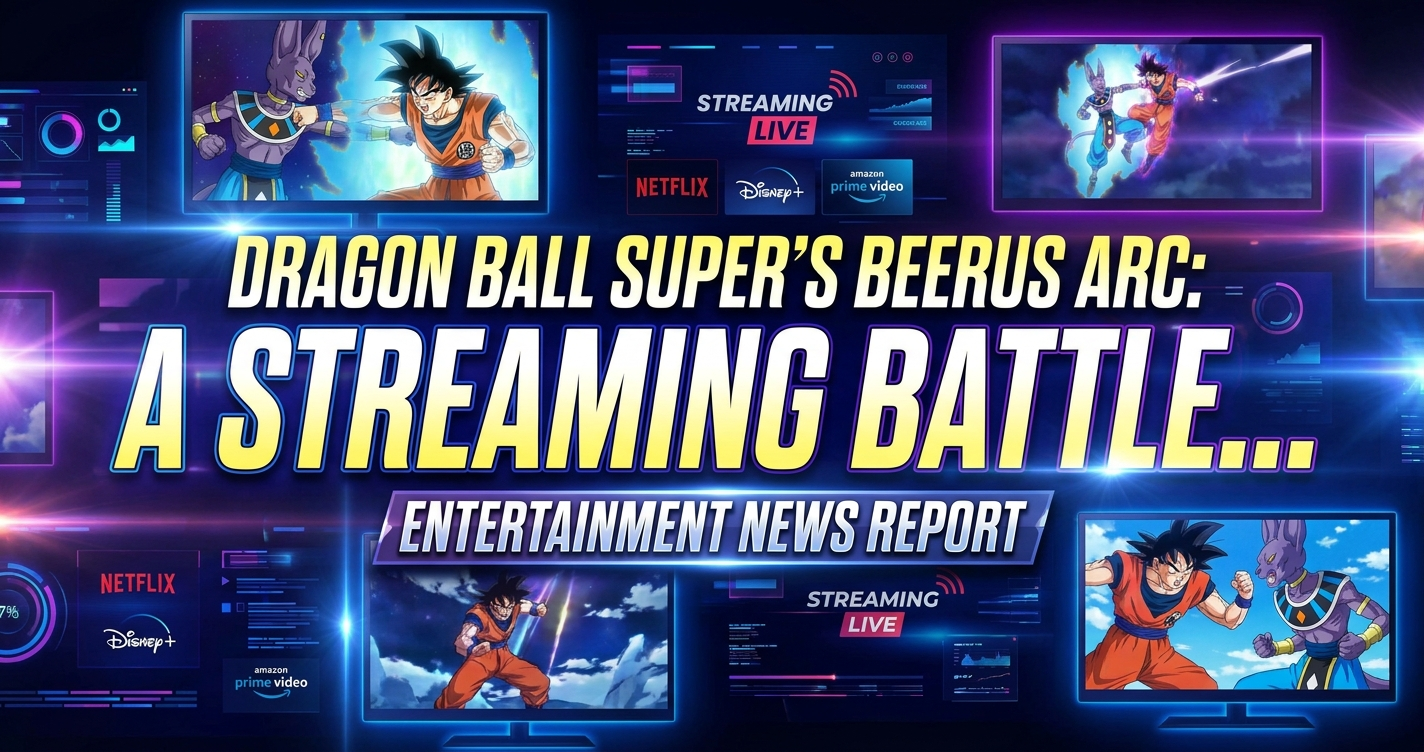
The cosmic clash that redefined a franchise is making waves again, but not just on screen. News broke recently that the ‘DRAGON BALL SUPER BEERUS’ arc – the foundational saga that introduced the God of Destruction and Super Saiyan God to a new generation – is now airing in Japan and rolling out across a dizzying array of global streaming platforms. While the return of Goku and Vegeta’s first encounter with Beerus is always cause for celebration for the fervent Dragon Ball faithful, this particular release strategy offers a fascinating, if sometimes frustrating, look into the ongoing streaming wars and the complex world of anime distribution.
For those keeping score, the rollout is as fragmented as a Super Saiyan’s energy blast: Crunchyroll (worldwide) and Hulu (US) kicked things off, with Prime Video (Japan), Disney+ (Europe & UK), and Netflix (Asia, then US & other countries) hot on their heels. This isn’t just a simple simulcast; it’s a strategic land grab for one of anime’s most enduring and valuable IPs.
The Enduring Legacy of Dragon Ball and the Beerus Saga
To understand the significance, one must acknowledge the unparalleled legacy of Akira Toriyama’s Dragon Ball. From its manga debut in 1984, through the global phenomenon of Dragon Ball Z, and its triumphant return with Dragon Ball Super, this franchise has shaped countless childhoods and defined the shonen genre. Its influence is so vast that it’s often credited with popularizing anime in the West, paving the way for countless other series.
The Beerus arc, originally adapted from the critically acclaimed film Dragon Ball Z: Battle of Gods, served as the launchpad for Dragon Ball Super. It wasn’t just a nostalgic return; it was a bold re-imagining that introduced new power tiers, celestial beings, and a multiverse concept that expanded the Dragon Ball universe exponentially. For many, it was the moment they realized Dragon Ball was truly back and ready to evolve. Its re-release or re-packaging as a distinct ‘season’ or ‘mini-series’ highlights its standalone importance within the broader Super narrative, making it an attractive entry point for new viewers or a nostalgic rewatch for veterans.
The Streaming Battlefield: Why So Many Platforms?
This multi-platform distribution isn’t an anomaly in today’s streaming landscape; it’s becoming the norm, especially for high-value intellectual property. For years, Crunchyroll reigned supreme as the undisputed king of anime streaming, often securing first-window rights globally. While they still hold significant sway (evidenced by their worldwide launch for ‘DRAGON BALL SUPER BEERUS’), the landscape has drastically changed.
Giants like Netflix, Disney+, and Amazon’s Prime Video have aggressively entered the anime market, recognizing its immense global appeal and dedicated fanbase. They’re no longer content with just licensing a few titles; they’re investing in original productions, securing exclusive dubs, and, as we see here, fighting for distribution rights to established hits. An industry analyst, speaking on background, recently remarked that studios like Toei Animation, the powerhouse behind Dragon Ball, are now in a stronger position than ever to negotiate lucrative deals across multiple territories and platforms, maximizing their revenue and reach.
For Disney+, securing Dragon Ball Super content, even for specific regions, is a clear signal of their intent to bolster their anime library beyond their existing originals like Star Wars: Visions and recent hits like Bleach: Thousand-Year Blood War. Netflix, already a major player with a vast anime catalog and original productions like Cyberpunk: Edgerunners, sees Dragon Ball as a crucial anchor for its global audience. Hulu, often a go-to for many US viewers for network content, rounds out the domestic picture, while Prime Video solidifies its offering in Japan, a critical market.
The Viewer’s Dilemma: Fragmentation Fatigue
While this multi-platform strategy is a boon for rights holders, it presents a growing challenge for the average anime fan: fragmentation fatigue. To legally watch all their favorite anime, viewers are increasingly forced to subscribe to multiple services, each costing a monthly fee. What was once a relatively simple choice between a few major players has evolved into a complex web of subscriptions, geographic restrictions, and staggered release dates.
As a veteran reporter in this space, I’ve heard the complaints firsthand. Fans want convenience, not a scavenger hunt for their beloved series. However, the economic reality is that these platforms are battling for market share, and exclusive content – even if only exclusive for a region or a limited time – is their most potent weapon. The sheer power of the Dragon Ball brand ensures that fans will likely follow, but it’s a test of their patience and wallets.
What to Watch For Next
The staggered release of ‘DRAGON BALL SUPER BEERUS’ across these platforms will be a fascinating case study. Will it drive significant new subscriptions to specific services in their respective regions? How will it impact viewership numbers for the existing Dragon Ball Super series on other platforms? More importantly, this aggressive play for a beloved classic signals that the streaming wars for anime content are only intensifying. Expect more major franchises to be split across services, and for platforms to continue investing heavily in both new productions and legacy titles, all vying for that coveted subscription dollar. The fight for anime supremacy is far from over, and Goku and Beerus’s epic first battle is just the latest skirmish.