Hacks Blindsides Fans: The Harsh Reality of Streaming’s New Era
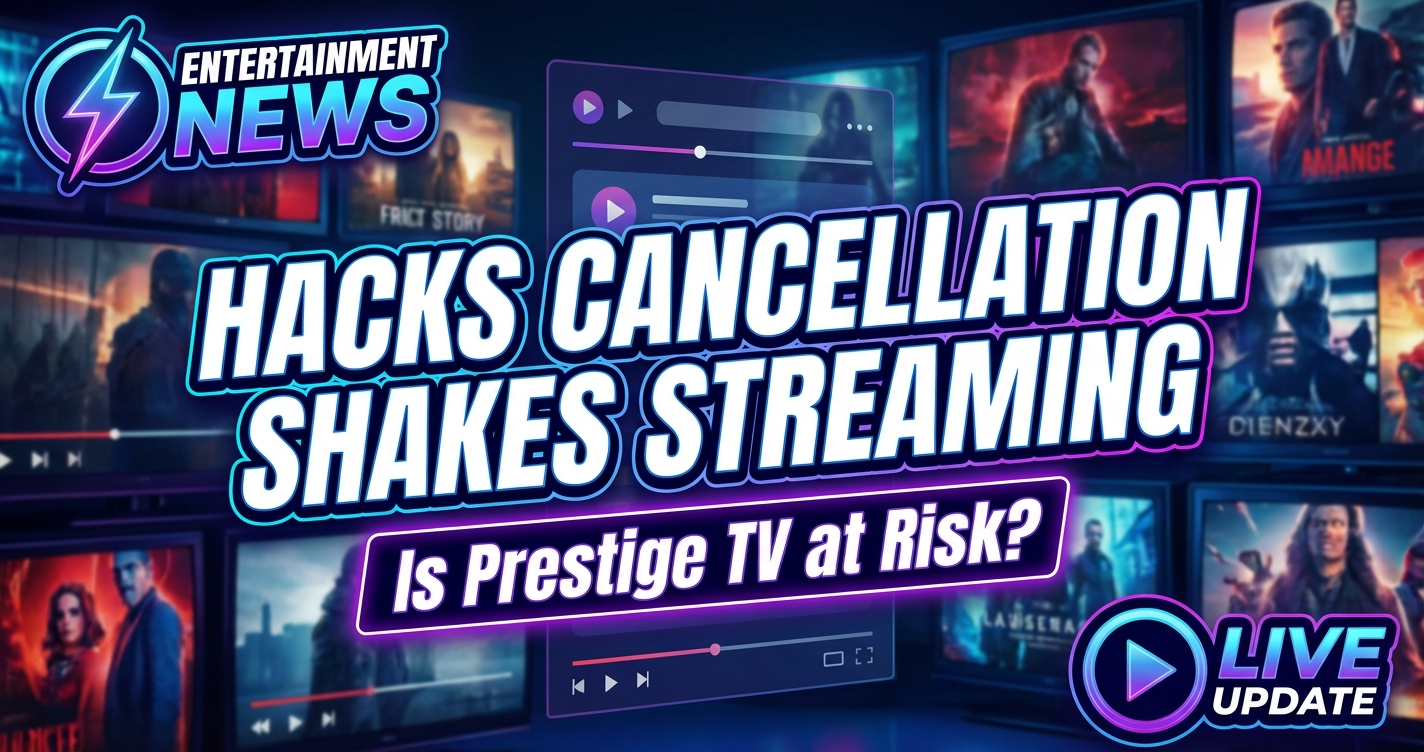
The entertainment world is reeling from the news that HBO Max’s critically adored, Emmy-winning series Hacks will not return for a fifth season. For fans and industry observers alike, this abrupt cancellation, coming on the heels of a triumphant fourth season, sends a clear, chilling message about the evolving, data-driven landscape of streaming television.
Since its debut, Hacks, starring the incomparable Jean Smart as legendary comedian Deborah Vance and Hannah Einbinder as her sharp-tongued writer Ava Daniels, has been a critical darling. It’s collected a stunning array of accolades, including multiple Primetime Emmy Awards for Outstanding Comedy Series, Lead Actress for Smart, and writing and directing nods for creators Lucia Aniello, Paul W. Downs, and Jen Statsky. It was the kind of prestige programming that once defined HBO, a beacon of quality that streaming services desperately sought to replicate in the ‘Peak TV’ era. Its cancellation, therefore, feels less like a typical network axing and more like a seismic shift in how platforms like HBO Max (now simply Max) are evaluating their content.
Industry insiders have long whispered about the ‘WBD tax’ – the intense pressure on Warner Bros. Discovery properties to prove their financial viability and broad audience appeal in the wake of the company’s merger. While Hacks brought immense prestige, its viewership, while dedicated, might not have hit the astronomical numbers WBD executives are now demanding from their originals. This isn’t just about critical acclaim anymore; it’s about subscriber acquisition, retention, and global reach. And often, those metrics don’t align with nuanced, character-driven comedies, no matter how brilliant.
The New Streaming Calculus: Profit Over Prestige?
The demise of Hacks after four acclaimed seasons is a stark reminder that the days of endless renewals for critically beloved but potentially niche shows are largely behind us. We’ve seen similar patterns emerge across the board. Prime Video’s Harlem, for instance, also recently met its end after its third and final season, despite a loyal following. This ‘three-and-out’ or ‘four-and-out’ trend has become increasingly common in the streaming space, as platforms cycle through content, prioritizing fresh starts and new subscriber draws over long-term commitments to established series.
The initial streaming boom saw platforms throwing money at showrunners, hoping to corner the market on prestige. Now, with market saturation and increasing investor scrutiny, the focus has shifted dramatically. Content is being evaluated through a much harsher lens of return on investment. Are shows driving new subscriptions? Are they preventing churn? Are they part of a larger, marketable IP strategy? For a standalone comedy like Hacks, even with its undeniable quality, fitting neatly into these new economic models can be a challenge.
Animation & YA: Niche Resilience in a Shifting Landscape
While some darlings fall, other shows are finding solid footing. HBO Max continues to invest heavily in its adult animated slate, a genre that often boasts incredibly dedicated fanbases and can be more cost-effective to produce over multiple seasons. The renewal of Harley Quinn for a fifth season and a double order for Hazbin Hotel (seasons 3 and 4) underscores this strategy. These shows cultivate passionate communities, drive significant online engagement, and often have strong merchandising potential – all factors that resonate in today’s streaming calculus.
Similarly, Netflix’s decision to renew the heartwarming YA drama Heartstopper for a third season highlights the enduring power of well-executed, targeted content. Shows like Heartstopper tap into specific, highly engaged demographics that are proven drivers of subscriptions and viewer loyalty. They may not win every Emmy, but they deliver consistent, measurable audience engagement, which is now paramount.
What Now for Prestige TV and Its Creators?
The cancellation of a show like Hacks inevitably raises questions about the future of complex, character-driven storytelling on streaming platforms. Will creators be forced to pitch more high-concept, IP-driven projects? Will limited series become the default for nuanced dramas and comedies, offering a clearer endpoint and a more contained budget?
For Lucia Aniello, Paul W. Downs, and Jen Statsky, the talented minds behind Hacks, this is undoubtedly a bittersweet moment. Their show leaves behind an indelible mark on television, showcasing brilliant writing and unforgettable performances. Their next projects will be keenly watched, as they navigate a landscape increasingly defined by algorithms and financial targets rather than solely artistic merit. The hope is that their proven track record will allow them to continue telling the stories they want, perhaps with a different platform or a more defined series arc from the outset.
The era of ‘anything goes’ in streaming is definitively over. As platforms consolidate, cut costs, and chase elusive profitability, even the most critically acclaimed series are no longer safe. The industry is in a state of constant recalibration, and only time will tell what kind of stories will ultimately thrive in this brave new world. Keep an eye on the upcoming development slates – they’ll tell us much about where the wind is truly blowing.