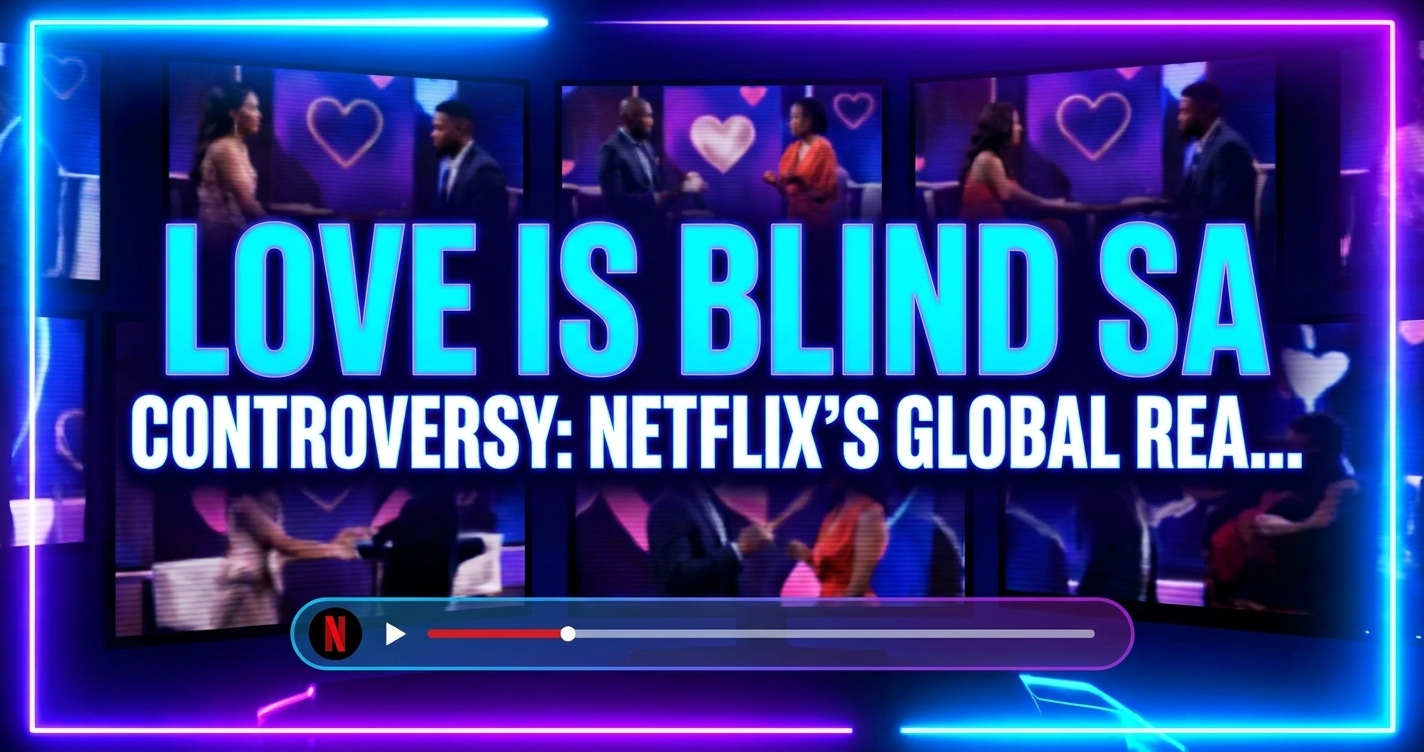
Netflix’s African Debut Hits a Snag: Love Is Blind South Africa Faces Pre-Premiere Casting Backlash
It seems no major reality TV franchise is immune to pre-premiere drama, and Netflix’s highly anticipated expansion into the African market with Love Is Blind South Africa is learning that the hard way. Weeks before its scheduled debut, the show is already embroiled in a significant casting controversy, forcing the streamer to reportedly revise contestant profiles amid serious allegations and mounting public concern over women’s safety. For DailyDrama.com, this isn’t just a local kerfuffle; it’s a stark reminder of the tightrope walk production companies and streamers navigate in the high-stakes world of global reality television.
Reports have surfaced from various outlets, including Feminegra, detailing how eagle-eyed social media users and members of the public have flagged certain cast members, alleging past questionable behavior and raising red flags about their suitability for a show centered on vulnerability and trust. While details remain somewhat murky, the core of the concern revolves around allegations that some individuals may have histories that compromise the safety and well-being of their fellow contestants, particularly the women on the show. Netflix and the local production team have reportedly been quick to respond, altering cast bios and seemingly attempting to manage the narrative, but the genie, it seems, is out of the bottle.
The Perennial Problem: Vetting in the Viral Age
This isn’t the first time a reality show has faced intense scrutiny over its casting choices, but the speed and ferocity of the current social media landscape amplify every whisper into a roar. From Lifetime’s Married at First Sight to ABC’s The Bachelor franchise, we’ve seen countless examples of contestants whose pasts have come back to haunt them, leading to accusations of insufficient background checks and a prioritization of ‘big personalities’ over genuine character vetting. In the case of Love Is Blind, where participants literally commit to marriage sight unseen, the stakes for trust and psychological safety are astronomically high.
“Casting for these shows is a beast,” an industry veteran, who wished to remain anonymous due to ongoing contractual obligations, shared with DailyDrama.com. “You’re looking for compelling stories, people who are genuinely seeking love, but also people who can handle the pressure cooker. And let’s be honest, you’re also looking for a bit of drama. The lines get blurry. But when it comes to safety, especially for women, there can be no compromises. The current generation of viewers, particularly on platforms like TikTok and X, are doing their own deep dives, and they won’t hesitate to expose what they find.”
This crowd-sourced investigative journalism has become a significant factor in reality TV production. What once might have been a hushed rumor or an overlooked detail in a background check now becomes a trending topic within hours. Producers are no longer just casting for a TV show; they’re casting for a public trial by internet.
Netflix’s Global Gamble and the Duty of Care
Netflix has heavily invested in the Love Is Blind format, rolling out successful iterations in Brazil, Japan, Sweden, and more. This global strategy is key to their subscriber growth, adapting proven IP for diverse local markets. Each new country presents unique cultural nuances and challenges, but the core human desire for connection (and drama) remains universal. However, with global reach comes global responsibility.
The controversy around Love Is Blind South Africa underscores a growing demand for a higher ‘duty of care’ from production companies and streamers. This isn’t just about avoiding legal liabilities; it’s about ethical production. Viewers, and indeed the industry, are increasingly questioning the psychological support provided to contestants, the robustness of background checks, and the overall welfare standards on set. After all, these are real people, often vulnerable, put in highly artificial and emotionally charged situations.
Showrunners and executives are under immense pressure to deliver engaging content, but the cost of a casting misstep can be devastating, not just for the individuals involved but for the brand itself. A major streaming platform like Netflix, known for its polished productions, cannot afford to have its reputation tarnished by accusations of negligence, especially in a region where cultural sensitivities around gender-based violence might be particularly acute.
What This Means for the Future of Reality TV Casting
The Love Is Blind South Africa situation serves as a potent case study. It highlights the need for production teams to go beyond standard criminal background checks. It necessitates more thorough social media vetting, psychological evaluations that truly assess character and potential for harm, and perhaps even engaging with local community leaders or cultural consultants to ensure a deeper understanding of potential risks. The old adage of “any publicity is good publicity” no longer holds water when that publicity involves serious allegations that could endanger participants.
For Netflix, this is a moment to re-evaluate their global casting protocols. As they continue to expand their reality TV empire, ensuring contestant safety and maintaining public trust must be paramount. The integrity of the ‘experiment’ itself depends on it. If viewers feel that participants are being put at risk, or that the show is actively recruiting problematic individuals for the sake of drama, the entire premise loses its luster.
The show is still slated for premiere, and it will be fascinating to see how the narrative shifts, if at all, once the episodes drop. Will the controversy overshadow the love stories? Will Netflix issue a more comprehensive statement? One thing is clear: the curtain is always up, even before the show officially begins.
What to watch for next: DailyDrama.com will be closely monitoring any further statements from Netflix or the production company, as well as the audience reception once Love Is Blind South Africa finally premieres. We’ll also be watching to see if this incident prompts a broader industry discussion about standardized, enhanced vetting processes for reality TV contestants worldwide.