Max’s Enduring Reign: How Prestige & IP Keep It Atop Streaming Wars
In the relentlessly competitive landscape of streaming, where new platforms emerge and content libraries shuffle with dizzying speed, one name consistently surfaces in the upper echelons of ‘best shows to watch’ lists: Max. Formerly HBO Max, the platform has, for better or worse, become a fascinating case study in balancing artistic integrity with corporate ambition, a high-stakes gamble that seems to be paying off, at least in terms of critical acclaim and subscriber engagement.
It’s easy to dismiss these curated lists as mere clickbait, but their persistence for Max isn’t just about what’s *new* – it’s about a deep, consistent quality that dates back decades, now married to a vast, eclectic library. The question isn’t just *what* shows are good on Max, but *why* Max continues to be a powerhouse, defying the content churn and budget cuts that plague many of its rivals. It’s a testament to the enduring power of brand legacy and strategic content deployment, even amidst significant corporate upheaval.
The Unbreakable HBO Legacy: Still The Gold Standard?
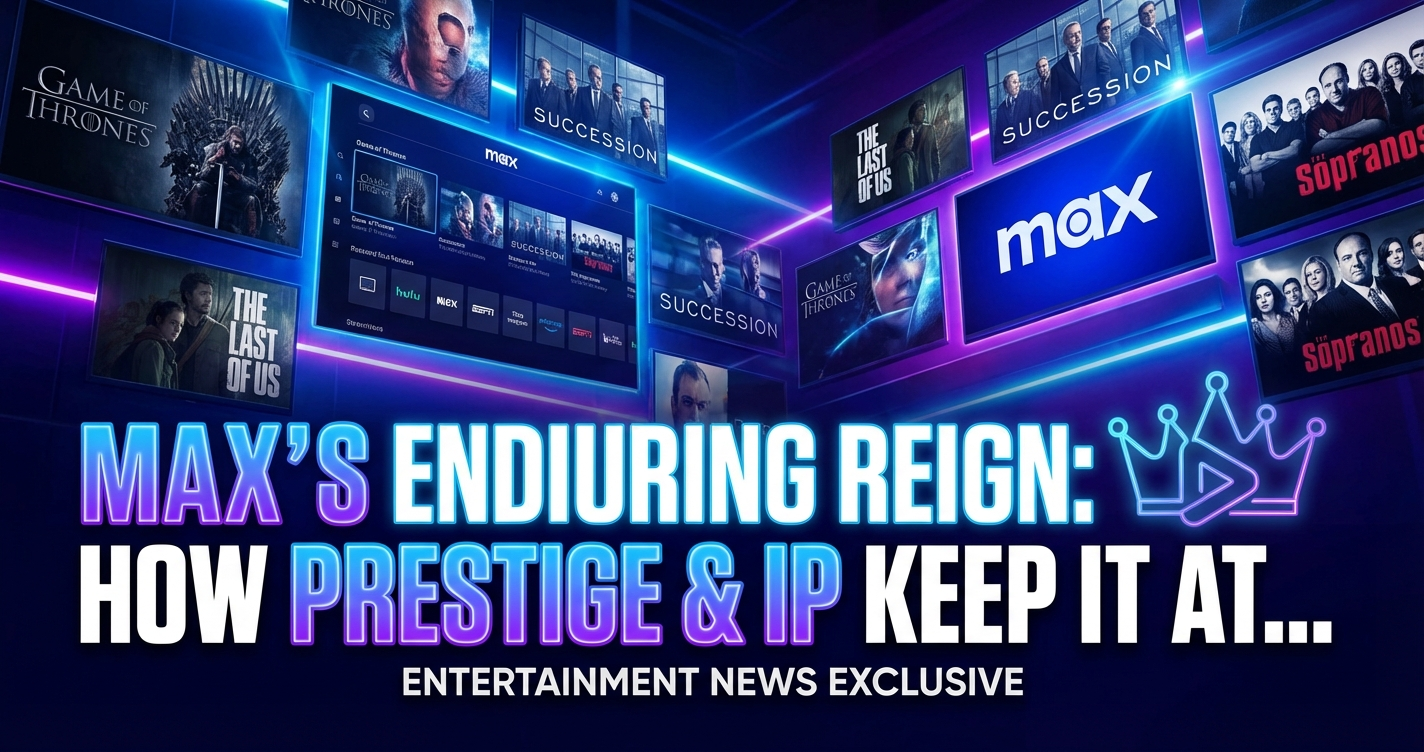
Long before ‘streaming wars’ became a ubiquitous term, HBO set the bar for premium cable television. From the groundbreaking narratives of The Sopranos and The Wire to the global phenomenon of Game of Thrones, HBO cultivated a reputation for uncompromising quality, attracting top-tier showrunners and delivering watercooler-worthy drama that redefined the medium. This legacy isn’t just a historical footnote; it’s the bedrock upon which Max stands.
Today, the ‘HBO Original’ banner still carries immense weight, a signal of prestige that few other labels can match. Series like the critically adored Succession, the harrowing and emotionally resonant adaptation of The Last of Us, or the epic fantasy continuation House of the Dragon aren’t just good shows; they are cultural touchstones, meticulously crafted and expertly marketed. They demonstrate that HBO’s commitment to character-driven storytelling, high production values, and narrative complexity remains largely intact, even as the parent company navigates seismic shifts. This enduring commitment to quality is precisely why critics and audiences alike continue to hold Max in such high regard.
The Warner Bros. Discovery Era: A High-Wire Act
The transition from HBO Max to simply Max, following the seismic merger of WarnerMedia and Discovery, Inc., was met with a mix of confusion and trepidation. CEO David Zaslav’s vision for the newly formed Warner Bros. Discovery (WBD) involved a radical streamlining, a renewed focus on profitability, and a strategy to broaden the platform’s appeal beyond prestige dramas. This meant integrating Discovery’s vast library of unscripted content – from HGTV home makeovers to true-crime documentaries – alongside HBO’s sophisticated fare, the DC universe, and the iconic Warner Bros. film vault.
This strategic pivot wasn’t without its casualties. Fan-favorite projects were controversially shelved, and content was removed from the platform in an effort to cut costs and optimize licensing deals. Industry analysts openly questioned whether diluting the HBO brand with a wider array of content would ultimately erode its hard-won prestige. Yet, the strategy has also yielded surprising successes. Shows like James Gunn’s irreverent Peacemaker demonstrated the untapped potential of the DC universe in a serialized format, while the consistent performance of classic sitcoms and blockbuster films keeps a diverse subscriber base engaged. It’s a delicate balancing act, attempting to cater to both the discerning cinephile and the casual viewer seeking comfort viewing, all under one subscription.
Navigating the Content Minefield: Max’s Unique Value Proposition
In an era of subscription fatigue, where consumers are increasingly scrutinizing their monthly entertainment spend, Max’s value proposition is becoming clearer. While Netflix aims for sheer volume and diverse global appeal, and Disney+ leverages its family-friendly IP, Max offers a unique blend: the unparalleled quality of HBO drama paired with a deep, recognizable library of films, cartoons, and unscripted reality. This breadth of content, from Looney Tunes to The Lord of the Rings films, from Fixer Upper to Euphoria, makes it a compelling option for households with varied tastes.
The platform’s success hinges on its ability to consistently deliver a handful of must-watch, conversation-driving series each year that justify its premium price point, while simultaneously offering enough breadth to keep all members of a household engaged. This dual approach helps mitigate the ‘churn’ that plagues many streamers, where subscribers sign up for one show and leave once they’ve binged it.
What To Watch For Next
As Max continues to refine its strategy, the industry will be closely watching several key areas. Will the push for more profitable, franchise-driven content dilute the distinctive ‘HBO’ voice, or will it find a sustainable model that allows both prestige and popular appeal to thrive? The continued evolution of the DC universe under James Gunn and Peter Safran, the development of new tentpole series, and the platform’s international expansion will all be crucial indicators. One thing is certain: Max’s journey through the streaming wars is far from over, and its impact on what we consider ‘best-in-class’ television will continue to be significant.