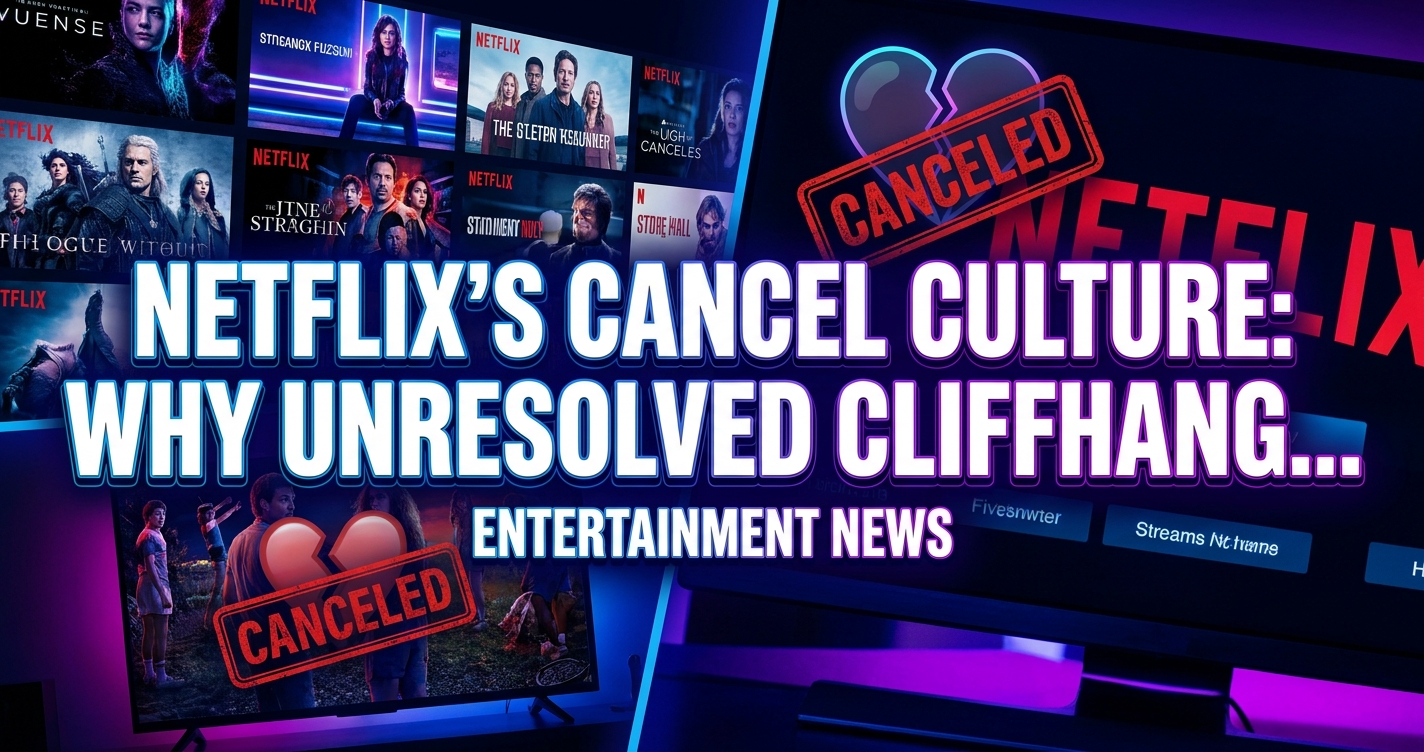
Ah, Netflix. The streaming giant that brought us binging, revolutionized TV consumption, and also, quite famously, perfected the art of the brutal, abrupt cancellation. For every Squid Game or Stranger Things that captivates the globe, there are countless other brilliant, innovative series left dangling on a precipice, their stories unfinished, their cliffhangers eternally unresolved. It’s a wound that festers for devoted fans, a testament to the cold, hard logic of the algorithm versus the passionate heart of storytelling.
As a seasoned observer of the entertainment landscape, I’ve watched this cycle play out repeatedly. A show gains critical acclaim, builds a fervent following, and then, just as it hits its stride or delivers a jaw-dropping season finale, the axe falls. It leaves viewers not just disappointed, but often feeling betrayed, questioning the wisdom of investing their time and emotional energy into a narrative that might never reach its conclusion. The source of this frustration isn’t new, but Netflix’s sheer volume of originals, combined with its opaque performance metrics, has made it a particularly painful phenomenon.
The Algorithm’s Cruel Calculus: Why Good Shows Die Young
At the heart of Netflix’s cancellation strategy lies its unique business model. Unlike traditional networks, which rely heavily on advertising revenue and live viewership, Netflix thrives on subscriber growth and retention. This means that a show’s success isn’t just about critical reviews or even the size of its initial audience, but rather its ability to attract new subscribers and, crucially, keep existing ones engaged enough to prevent churn. Industry insiders often point to completion rates, cost-per-episode, and the elusive “impact on new sign-ups” as the primary drivers behind greenlights and, more often, red lights.
This often translates into a merciless “two-season curse” or “three-season wall.” Many shows are given a couple of seasons to prove their worth, and if they don’t hit certain internal, undisclosed benchmarks – which often prioritize global reach over niche appeal – they’re unceremoniously cut. Showrunners and creatives, many of whom have spoken out about the lack of transparency, find themselves in a constant battle against these metrics, often with their long-term narrative arcs cut short.
Fan Favorites That Deserve a Second Life (and Resolution!)
While the list of prematurely canceled Netflix shows is long and heartbreaking, a few stand out for the sheer injustice of their abrupt endings, leaving truly mind-bending cliffhangers that still spark fervent fan campaigns and online discussions years later.
The Enigmatic World of The OA
Brit Marling and Zal Batmanglij’s visionary sci-fi mystery, The OA, was a true original. Its intricate mythology, bold storytelling, and deeply philosophical themes garnered a small but intensely devoted fanbase. The season two finale, a meta-narrative twist that shattered the fourth wall, left viewers utterly stunned and desperate for answers. Its cancellation after only two seasons in 2019 sparked immediate outrage, with fans staging protests and launching #SaveTheOA campaigns that still echo today. The creators had a five-season plan, and the abrupt end left a gaping hole in the hearts of those who bought into its unique universe.
The Unfinished Business of Mindhunter
From executive producer David Fincher, Mindhunter was a masterclass in psychological drama, exploring the nascent field of criminal profiling. It was critically acclaimed, beautifully shot, and featured chilling performances. Yet, after two seasons, the series was put on indefinite hold, with Fincher himself stating that the show was “very expensive” and demanding, acknowledging the immense commitment required. The season two finale perfectly set up the next chapter in the BTK Killer storyline and the evolving dynamics between Holden Ford and Bill Tench. The thought of never seeing that resolution, or the continued exploration of these dark psychological landscapes, is a genuine cinematic tragedy.
GLOW‘s Knockout Blow
The Gorgeous Ladies of Wrestling were a sensation. GLOW was a vibrant, critically adored series with a phenomenal ensemble cast led by Alison Brie and Betty Gilpin. It blended humor, heart, and pointed social commentary within the colorful world of 1980s women’s wrestling. After three stellar seasons, it was renewed for a fourth and final one. Then, the COVID-19 pandemic hit. Netflix, citing production challenges and increased costs, reversed its decision, canceling the show despite the prior renewal. This felt like a particularly cruel blow, as the show was promised a proper send-off, only for that promise to be snatched away, leaving the ladies – and fans – in limbo.
The “Saved Show” Phenomenon: A Glimmer of Hope?
Despite Netflix’s trigger-happy cancellations, the streaming era has also birthed a new trend: the “saved show.” We’ve seen series like Lucifer move from Fox to Netflix for multiple successful seasons, and The Expanse jump from Syfy to Amazon. More recently, the fervent #SaveWarriorNun campaign proved successful, with the show finding a new home on a different platform after Netflix’s cancellation. This phenomenon offers a sliver of hope for some of these beloved, unfinished stories.
What makes a show “saveable”? A passionate, vocal fanbase is paramount. A clear vision from the creators, established IP, and the potential for a new streamer to acquire ready-made content (and subscribers) are also key factors. However, the stars rarely align perfectly. Cast contracts expire, sets are dismantled, and the sheer momentum required to revive a production can be immense.
Beyond the Hype: What’s Next for Canceled Originals?
The ongoing tension between artistic ambition and algorithmic efficiency will likely define the future of streaming. As the “streaming wars” continue, and platforms begin to scrutinize their content spending more closely, the pressure on shows to perform immediately and globally will only intensify. Yet, the enduring outcry for shows like The OA, Mindhunter, and GLOW proves that there’s an appetite for compelling, complete stories, even if they don’t break every viewing record.
Perhaps, in time, Netflix or other platforms will recognize the long-term value of a complete, beloved series – not just for initial subscriber acquisition, but for retention and brand loyalty. Until then, fans will continue to mourn the narratives cut short, forever wondering what could have been.
What to Watch For Next: Keep an eye on ongoing fan campaigns, as the success of efforts like #SaveWarriorNun could inspire other streamers to consider picking up discarded gems. The battle between art and algorithm is far from over.