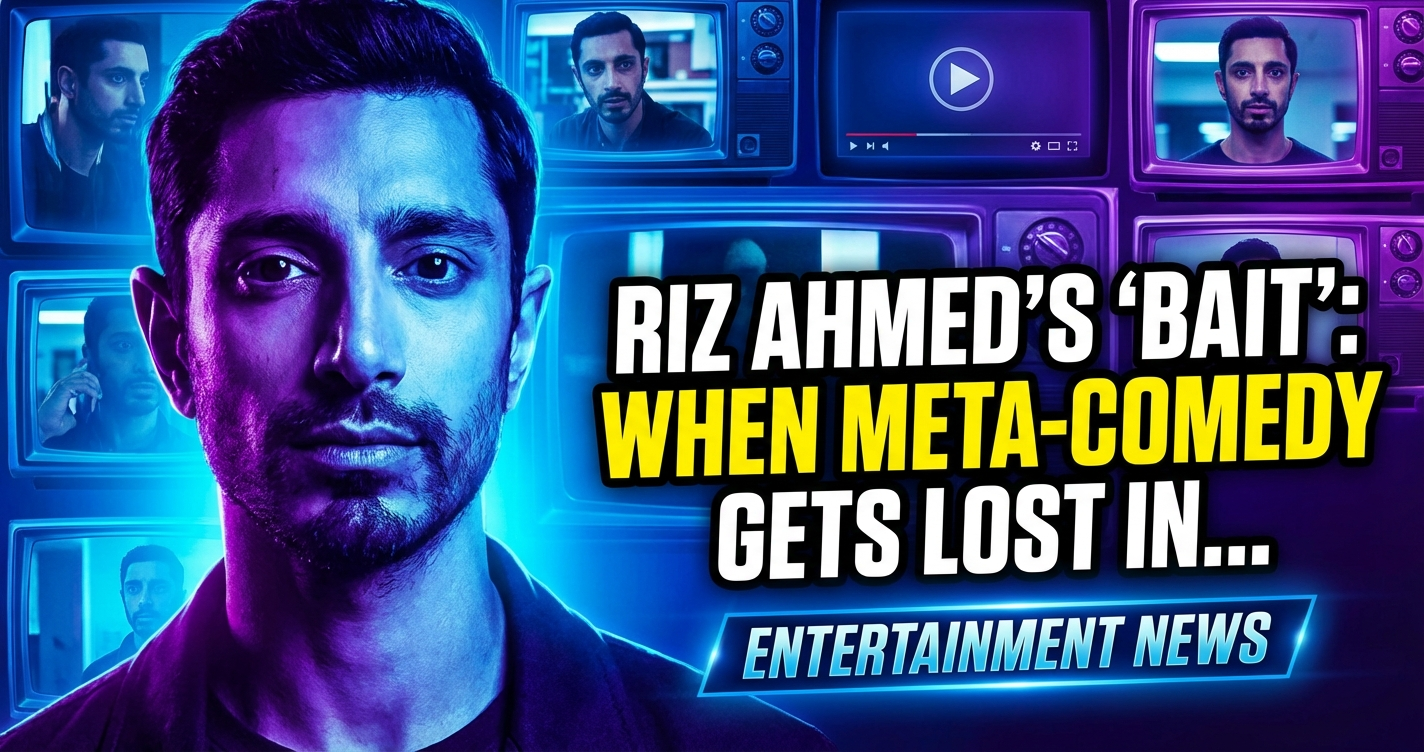
Riz Ahmed’s ‘Bait’: When Meta-Comedy Gets Lost in the Bond Labyrinth
The quest for the next James Bond is one of Hollywood’s most enduring and fan-obsessed sagas. Every few years, as the current 007’s tenure winds down, the rumor mill goes into overdrive, churning out names from Idris Elba to Aaron Taylor-Johnson. It’s a cultural touchstone, a global guessing game, and frankly, a goldmine for entertainment journalists. So, when news broke that Oscar-winner Riz Ahmed was not just developing, but starring in a meta-comedy for Amazon called Bait, centered on this very topic, the industry collectively leaned in.
Ahmed, known for his compelling performances in everything from Sound of Metal to The Night Of, and for his incisive musical and poetic work, seemed perfectly positioned to offer a fresh, intelligent take on the Bond phenomenon. A Muslim, South Asian actor exploring the iconic British spy’s legacy? The potential for groundbreaking commentary and sharp satire was immense. Yet, early reviews suggest that Bait, despite its tantalizing premise, might have tripped over its own ambition, earning the dreaded label of being “too high-concept for its own good.”
The Perilous Path of Meta-Narratives in Hollywood
Hollywood loves to look inward. From the golden age of musicals like Singin’ in the Rain to modern masterpieces like Birdman and TV’s self-aware gems like Barry or Episodes, stories about the entertainment industry itself can be incredibly compelling. They offer a peek behind the curtain, a chance to poke fun at the absurdities, and sometimes, a profound commentary on art and identity.
The key to a successful meta-narrative, however, lies in its execution. It needs to be clever without being self-indulgent, insightful without losing its audience in a maze of inside jokes. Shows like Bill Hader’s Barry masterfully blended dark comedy with a profound exploration of an assassin trying to become an actor, using the backdrop of Hollywood acting classes to great dramatic and comedic effect. Fleabag, while not strictly about the industry, broke the fourth wall with such charm and precision that it redefined what direct address could achieve.
The critique leveled at Bait – that its concept is too high – suggests it might have struggled with this balance. Is it so deeply entrenched in the nuances of James Bond lore and the machinations of casting that it alienates general viewers? Or does its commentary become so abstract that the comedic punch is lost? An industry insider, who asked not to be named, mused, “Sometimes, when you’re trying to be *too* smart, you forget to just be entertaining. The best satire still has to tell a good story.”
Riz Ahmed’s Ambitious Vision: A Creator’s Double-Edged Sword
Riz Ahmed has never been one to shy away from challenging projects. His career is a testament to pushing boundaries, whether it’s through his searing performance in Mogul Mowgli (which he also co-wrote) or his advocacy for diverse representation. He’s a true multi-hyphenate, a voice that demands attention, and his decision to tackle the Bond casting through a comedic lens was undeniably bold.
The appeal for Ahmed, presumably, was the opportunity to blend his sharp wit with his unique perspective on British identity, masculinity, and the global impact of such an iconic character. He’s often spoken about the need for stories that reflect a more authentic, multifaceted world. A project like Bait, on paper, offered the perfect vehicle for this kind of culturally relevant commentary.
However, the leap from a brilliant concept to flawless execution is vast. Even the most talented creators can find themselves in uncharted territory when attempting to deconstruct something as universally recognized and beloved as James Bond. The very specific nature of the subject matter, coupled with the inherent difficulties of balancing satire with narrative, might have proven a steeper climb than anticipated.
Streaming’s Appetite for Risk and the Search for Distinctive Voices
Amazon, like other streaming giants, is constantly on the hunt for original, buzz-worthy content that can cut through the noise. They’ve invested heavily in star power and unique premises, sometimes to incredible success (The Marvelous Mrs. Maisel, Fleabag), and sometimes with projects that fly under the radar. Greenlighting a show like Bait, spearheaded by an acclaimed artist like Ahmed, makes perfect sense in this landscape.
Platforms are willing to take bigger swings, to fund projects that traditional networks might deem too niche or experimental. This allows for tremendous creative freedom, fostering innovation and giving a platform to diverse voices. But it also means that not every swing is a home run. The freedom to be ‘high-concept’ can, at times, lead to projects that sacrifice accessibility for intellectual ambition, leaving audiences bewildered rather than engaged.
The reception of Bait serves as a potent reminder that while star power and a fascinating premise can get a show greenlit, ultimate success hinges on whether the execution can live up to the concept. For all of its meta-commentary, a comedy still needs to be funny, and a story still needs to connect.
What’s Next for Bond and Bold Concepts?
As the actual search for the next James Bond continues to dominate headlines, Bait offers a fascinating, if perhaps flawed, parallel narrative. It’s a testament to Riz Ahmed’s artistic courage and Amazon’s willingness to support boundary-pushing ideas. While the early reviews suggest it might not be the satirical home run many hoped for, its existence alone sparks important conversations about representation, meta-narratives, and the ever-evolving nature of iconic IP.
DailyDrama.com will be watching closely to see how Bait resonates with audiences once it officially drops. Will viewers find its high-concept approach invigorating, or will they agree with critics that it’s too much of a good thing? More importantly, what lessons will the industry take from this ambitious experiment as it continues to chase the next big, bold idea? As for Riz Ahmed, his creative journey is far from over. This is just one step in a career defined by innovation, and we expect many more thought-provoking projects from him in the future.