The 2026 TV Exodus: Why Beloved Shows Are Signing Off Early
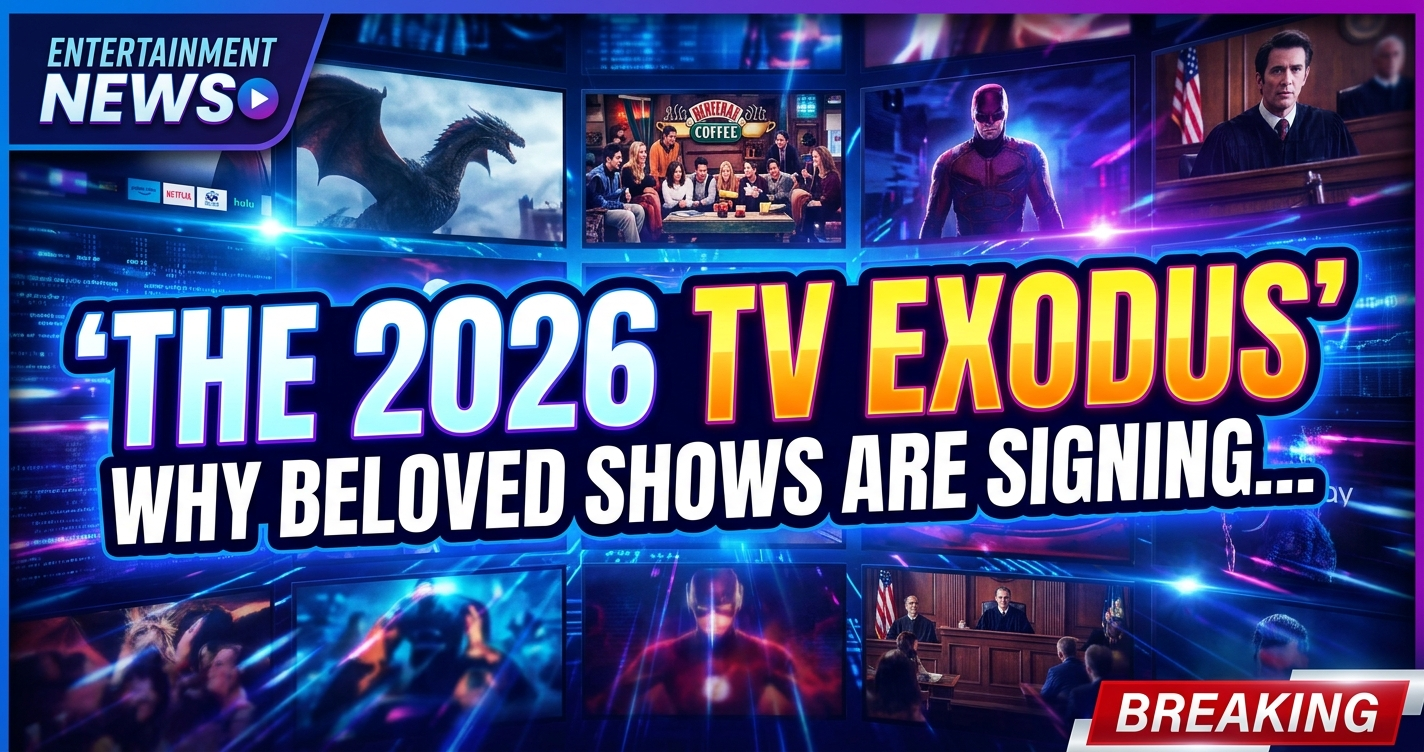
The entertainment industry is a perpetual cycle of beginnings and endings, but 2026 is shaping up to be a particularly poignant year for television. Several critically acclaimed and fan-favorite series are slated to air their final seasons, drawing curtains on stories that have captivated audiences for years. Make no mistake, this isn’t just a random cluster of cancellations; it reflects a maturing industry where creative integrity, evolving economics, and strategic planning are increasingly dictating when a show takes its final bow. At DailyDrama, we’ve been hearing whispers from network execs and showrunners for months, and the consensus is clear: ending on a high note is the new imperative.
From a gritty, often overlooked sports drama that finally gets its chance to stick the landing, to a massive fantasy epic navigating the treacherous waters of recasting, the decisions behind these farewells are complex. They’re a testament to a shifting landscape where the long, drawn-out goodbye is often preferable to a sudden, unceremonious axing. It’s a bittersweet pill for fans, but for the creators, it’s a chance to craft a definitive legacy.
The Creative Crossroads: When to Call It Quits?
For years, the gold standard for a successful TV show was longevity. Think ER, Grey’s Anatomy, or The Simpsons—shows that ran for well over a decade, becoming cultural touchstones. But in the streaming era, the conversation has shifted dramatically. Maintaining narrative quality over multiple seasons, especially with the increased production demands and viewer expectations, is a Herculean task. My sources close to several productions confirm that the desire to avoid ‘jumping the shark’ is a powerful motivator for showrunners.
Take, for instance, a certain critically lauded sports drama, which, after years of consistent praise but perhaps not blockbuster viewership, is reportedly heading into its final season in 2026. This show, known for its authentic portrayal of athletic ambition and personal struggle, has always had a finite feel to its storytelling. Unlike a procedural, a sports narrative often follows distinct arcs: a team’s journey, an athlete’s career, a championship quest. To stretch that beyond its natural conclusion risks diluting its impact. As one producer confided, paraphrasing their showrunner, “We always knew there was a natural endpoint. The goal was to tell a complete story, not just keep the lights on indefinitely.” This philosophy prioritizes a powerful, cohesive narrative over sheer episode count, a trend we’re seeing more and more.
Navigating Star Departures and Franchise Futures: The Witcher’s Dilemma
The challenges grow exponentially for large-scale fantasy adaptations, particularly those based on beloved book series. The Witcher is a prime example of a global phenomenon that has faced significant headwinds, most notably the high-profile departure of its initial star, Henry Cavill. While the series has soldiered on with a new lead, Liam Hemsworth, the conversation around its longevity and how it will ultimately conclude has intensified.
Adapting Andrzej Sapkowski’s sprawling novels and short stories was always an ambitious undertaking. Fan expectations are immense, and the delicate balance between staying true to the source material and forging an original path for television is a constant tightrope walk. A planned ending, perhaps in 2026 as some speculate, would allow the showrunners to provide a definitive conclusion to Geralt’s story, rather than risking viewer fatigue or further erosion of its core audience after such a significant cast change. It’s a strategic move to secure the franchise’s legacy, potentially paving the way for future spin-offs (which, let’s be honest, are always on the table for successful IP) without tarnishing the main series. We’ve seen similar dilemmas with shows like Game of Thrones, where the pressure to conclude a massive story effectively was immense, albeit without a lead actor swap mid-stream.
The Economics of Endings: Streaming vs. Network
The financial realities of television production play a huge role in these decisions. High-budget shows, especially those with extensive VFX, large ensembles, and international filming locations, become incredibly expensive in later seasons. Actor salaries increase, production costs rise, and the initial excitement of a new series can wane, making it harder to justify the investment.
For streaming platforms, the calculus is slightly different than traditional networks. While networks rely on ad revenue and syndication, streamers are focused on subscriber acquisition and retention. A powerful, satisfying conclusion to a popular series can be a strong draw for new subscribers and a reason for existing ones to stay. It creates a complete, binge-worthy package. Ending a show while it’s still critically relevant and generating buzz can also be a shrewd marketing tactic, allowing the streamer to allocate those significant resources to new, potentially equally impactful projects.
What’s Next for the TV Landscape?
The trend of planned, high-quality endings isn’t just about saying goodbye; it’s about making room for the next wave of storytelling. As we prepare to bid farewell to some truly remarkable series in 2026, we can also look forward to new voices, fresh narratives, and innovative formats emerging to fill the void. The industry is constantly evolving, and these deliberate conclusions signal a maturation that promises more satisfying, self-contained narratives in the years to come. So, while we may shed a tear or two, let’s also celebrate the stories well told and anticipate the new chapters yet to be written.