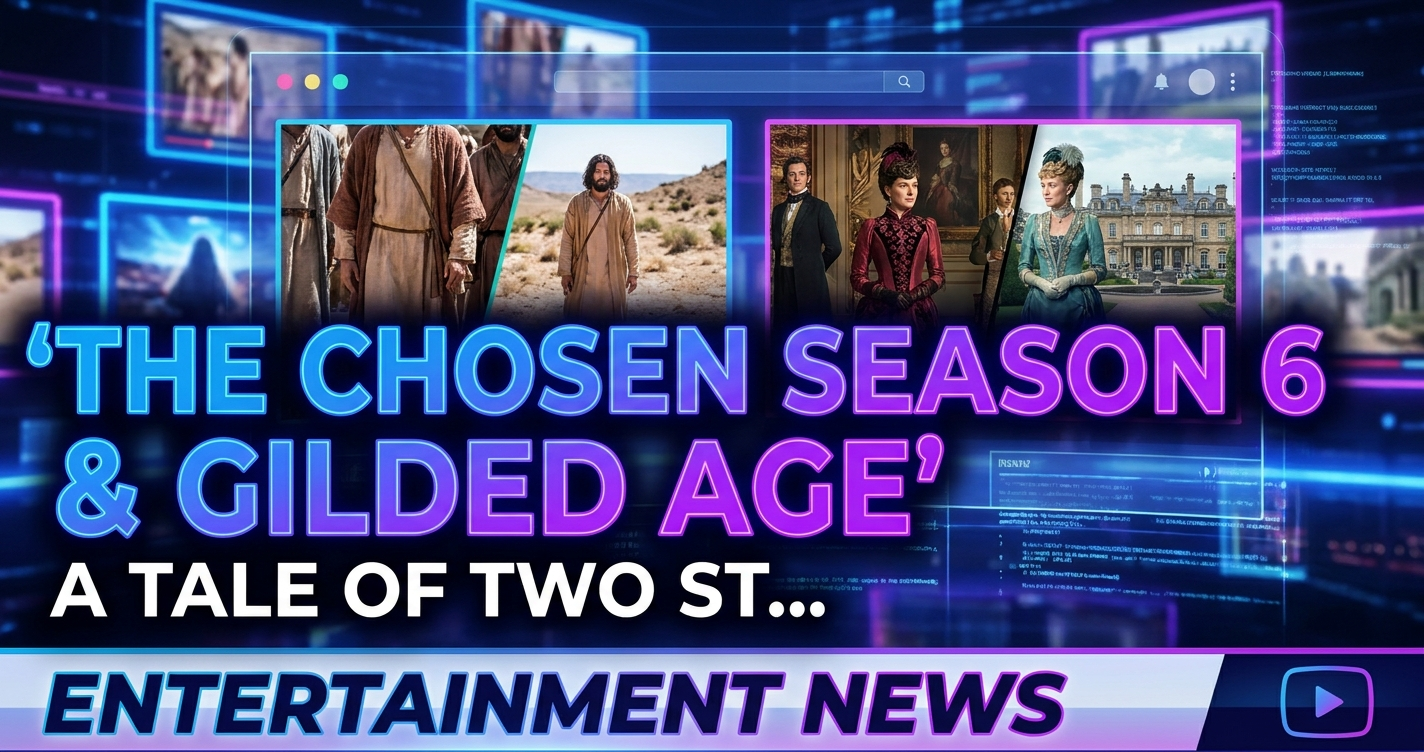
Sunday, November 15, 2026. It’s a date that, for many, marks a comfortable return to familiar episodic pleasures. But for industry observers at DailyDrama.com, this particular Sunday lineup, highlighted by the premiere of The Chosen Season 6 and a fresh installment of HBO’s opulent drama, The Gilded Age, offers a fascinating microcosm of the current entertainment landscape. These aren’t just popular shows; they represent divergent, yet equally potent, pathways to success in a fragmented, fiercely competitive market.
Make no mistake, we’re living in an era where traditional metrics of success are constantly being rewritten. The longevity and continued cultural resonance of series like The Chosen and The Gilded Age speak volumes about audience loyalty, strategic niche targeting, and the enduring power of compelling storytelling, regardless of its origin story.
The Chosen’s Unprecedented Journey: From Crowd-Funded Dream to Global Phenomenon
It’s almost impossible to discuss modern television without acknowledging the phenomenon that is The Chosen. Launching its sixth season, this independent, crowd-funded series about the life of Jesus Christ has not just broken the mold; it’s practically melted it down and recast it. When creator Dallas Jenkins first embarked on this ambitious project, mainstream Hollywood was, shall we say, skeptical. A multi-season, high-production-value series on a biblical theme, financed directly by its audience? It sounded like a pipe dream to many, yet here we are, six seasons deep, with a global reach that most studio-backed behemoths can only envy.
The success of The Chosen isn’t merely about its religious subject matter; it’s a masterclass in direct-to-consumer engagement. Its producers have expertly cultivated a devout fanbase, leveraging digital platforms and transparent communication to build a community that feels genuinely invested in the show’s survival and growth. This model has proven so effective that it’s now a case study in film schools and industry conferences. It demonstrates that passion projects, when executed with quality and strategic audience connection, can bypass traditional gatekeepers entirely. Industry insiders have noted that its consistent quality and commitment to character development, rather than overt proselytizing, has broadened its appeal far beyond its initial faith-based audience, attracting viewers simply looking for well-told historical drama.
The Gilded Age: Fellowes’ Enduring Appeal and HBO’s Prestige Powerhouse
On the other end of the spectrum, we have The Gilded Age, Julian Fellowes’ lavish American cousin to his global hit, Downton Abbey. Premiering a new season, this HBO drama is everything The Chosen isn’t in terms of its financing and distribution, yet it shares a similar commitment to craft and a dedicated audience. Fellowes has proven, time and again, his unparalleled ability to weave intricate narratives of class, ambition, and social mores within meticulously recreated historical settings. The allure of old-world glamour, sharp dialogue, and compelling character arcs remains a potent draw, particularly for audiences craving sophisticated escapism.
HBO’s investment in a show of this scale underscores the continued importance of prestige television. In a landscape saturated with content, a high-budget, beautifully produced period drama from an acclaimed showrunner like Fellowes serves as a clear differentiator. It’s a statement piece, a beacon for subscribers seeking quality and an experience that feels truly cinematic. The network understands that while the sheer volume of streaming options can be overwhelming, the promise of a reliable, high-caliber production from a proven creative team is invaluable.
A Tale of Two Triumphs: What Their Longevity Means for the Industry
Comparing The Chosen and The Gilded Age isn’t just an exercise in contrasting production models; it’s a look at the future of television. One is an indie darling, showcasing the power of audience funding and direct distribution, carving out a massive niche that traditional studios largely ignored. The other is a premium cable powerhouse, demonstrating the enduring appeal of established talent and the value of a major network’s commitment to high-end, aspirational programming.
Both shows, despite their vastly different origins and target demographics, highlight a crucial truth: in 2026, audience engagement is king. Whether it’s fostered through grassroots community building or through the trusted brand of a network synonymous with quality, a loyal viewership is the ultimate currency. The industry, once dominated by a few powerful players dictating what we watch, is now a more diverse ecosystem where multiple paths to success exist. This Sunday’s premieres are not just about new episodes; they’re about validating these divergent strategies, proving that there’s room for every kind of compelling story, if you know how to find your audience.
What to watch for next? Expect more independent creators to emulate The Chosen‘s model, exploring underserved niches with direct funding. Simultaneously, prestige networks will double down on their signature high-budget productions, betting on star power and established showrunners to cut through the noise. The streaming wars aren’t just about subscriber counts anymore; they’re about proving that your content strategy can consistently deliver, whether you’re building a community from the ground up or solidifying a reputation for unparalleled quality.