The Early 2026 TV Bloodbath: Why the Axe is Falling So Soon
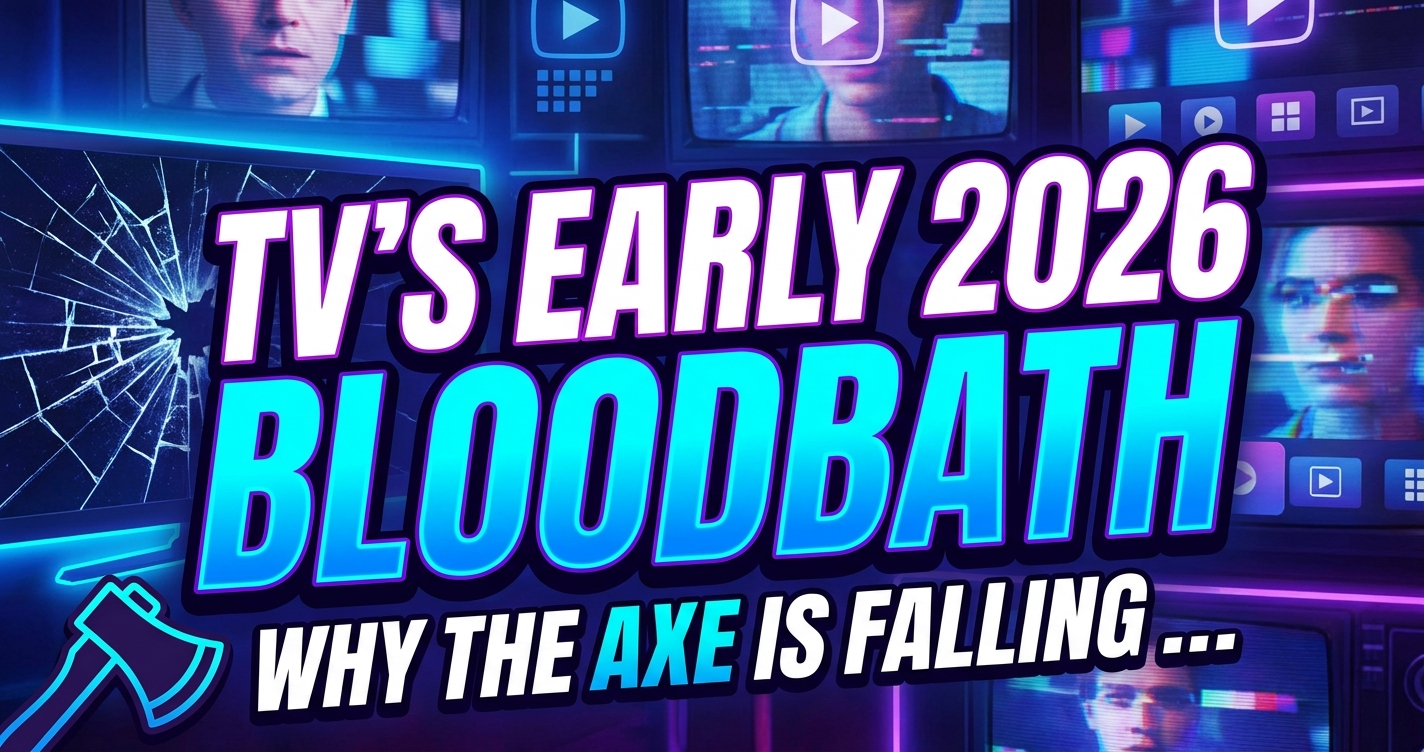
It’s barely spring 2026, and already the entertainment industry is bracing for what feels like a premature, brutal cancellation season. Reports are pouring in – from Just Jared and our own industry sources – detailing a growing list of casualties across virtually every major network and streaming platform. CBS has axed two, Netflix a significant four, and Prime Video two, with AMC, Apple TV+, FOX, Hulu, NBC, Paramount+, PBS, and Peacock also contributing to the grim tally. This isn’t just a few shows; it’s a stark signal that the rules of engagement in the TV landscape have fundamentally shifted, and the days of a slow burn or a niche passion project getting a generous runway are largely over.
For those of us who’ve been chronicling the ebb and flow of Hollywood for years, this early wave of TV show cancellations 2026 is more than just a footnote; it’s a loud declaration. The ‘Peak TV’ era, where every streamer seemingly ordered everything, is definitively behind us. We are firmly in the age of ‘Profit TV,’ where content spend is under unprecedented scrutiny, and every greenlight comes with an immediate, undeniable expectation of return on investment.
The Streaming Wars’ New Front: Profitability
Netflix, the pioneer of the streaming revolution, has always had a high-volume, high-churn model. Four cancellations in early 2026, while significant, isn’t entirely out of character for the streamer that famously pulls the plug on shows that don’t immediately hit global phenomenon status. However, the context is different now. Netflix, like its competitors, is no longer solely chasing subscriber growth at all costs. The focus has sharpened on profitability, average revenue per user (ARPU), and retention. A show that’s expensive to produce but only appeals to a narrow demographic, even if critically acclaimed, is now a luxury few can afford.
Prime Video, with its deep pockets courtesy of Amazon, often swings for the fences with prestige, high-budget epics. Two cancellations here suggest that even for a behemoth, projects that don’t translate into significant new Prime subscribers or demonstrate robust engagement are no longer sustainable. We’re seeing a similar tightening from Apple TV+, known for its curated, high-quality (and high-cost) slate. A show getting the axe from Apple means it likely didn’t hit the desired cultural impact or awards buzz to justify its premium price tag.
Network TV: Fighting for Every Eyeball (and Ad Dollar)
While streamers grapple with their new economic realities, traditional broadcast networks like CBS, FOX, and NBC face their own unique pressures. Their cancellations are less about subscriber churn and more about live viewership, DVR numbers, and the critical advertising dollars tied to those metrics. In a fragmented media landscape, securing a consistent audience for a new drama or sitcom is harder than ever. A veteran network executive, speaking to DailyDrama.com off the record, lamented, "The days of a network taking a chance on a slow burn are largely over. Now, it’s about immediate impact and a clear path to profitability, especially for shows not owned in-house." This highlights a crucial factor: networks are increasingly prioritizing shows produced by their own studios, making external acquisitions riskier and less appealing unless they’re absolute ratings gold.
The post-strike landscape also plays a role. While the WGA and SAG-AFTRA strikes of 2023 secured better terms for writers and actors, they also led to increased production costs across the board. Every dollar spent on content now has a higher premium, making marginal shows even more vulnerable.
The Human Cost: Showrunners and Talent Brace for Impact
Behind every cancellation is a team of creatives – showrunners, writers, actors, crew members – whose livelihoods are directly impacted. A respected showrunner, who recently saw their latest project get the axe after only one season on a major streamer, expressed a sentiment shared by many: "It feels like every show needs to be a ‘Squid Game’ or a ‘Yellowstone’ just to survive past a second season. The middle ground is disappearing. It makes you second-guess what you even pitch anymore." This sentiment underscores the growing pressure on creators to deliver instant, undeniable hits, leaving little room for experimentation or audience building.
The increasing consolidation within Hollywood also means fewer buyers and more intense competition for the remaining slots. This environment favors established IP, proven talent, and concepts with immediate, broad appeal, making it even harder for original, untested ideas to break through.
What to Watch For Next
As we move further into 2026, expect this trend to intensify. We anticipate more cancellations across the board, particularly for expensive dramas and comedies that haven’t found a massive, dedicated audience. Look for a continued shift towards:
- Fewer Overall Scripted Orders: Streamers and networks will likely be more selective, focusing on quality over quantity.
- Emphasis on Franchises and Proven IP: Safer bets will dominate development slates.
- Unscripted and Cheaper Formats: Reality TV, documentaries, and talk shows may see a resurgence due to lower production costs.
- More Co-Productions and International Deals: Spreading the financial risk will become a priority.
- The Rise of FAST Channels: Free Ad-Supported Streaming TV (FAST) channels might become a new afterlife for some canceled shows, but rarely for new productions.
The industry is recalibrating, and while it’s painful for many, it’s a necessary evolution. The question isn’t just what shows are being canceled, but what kind of television will emerge from this new, leaner landscape.