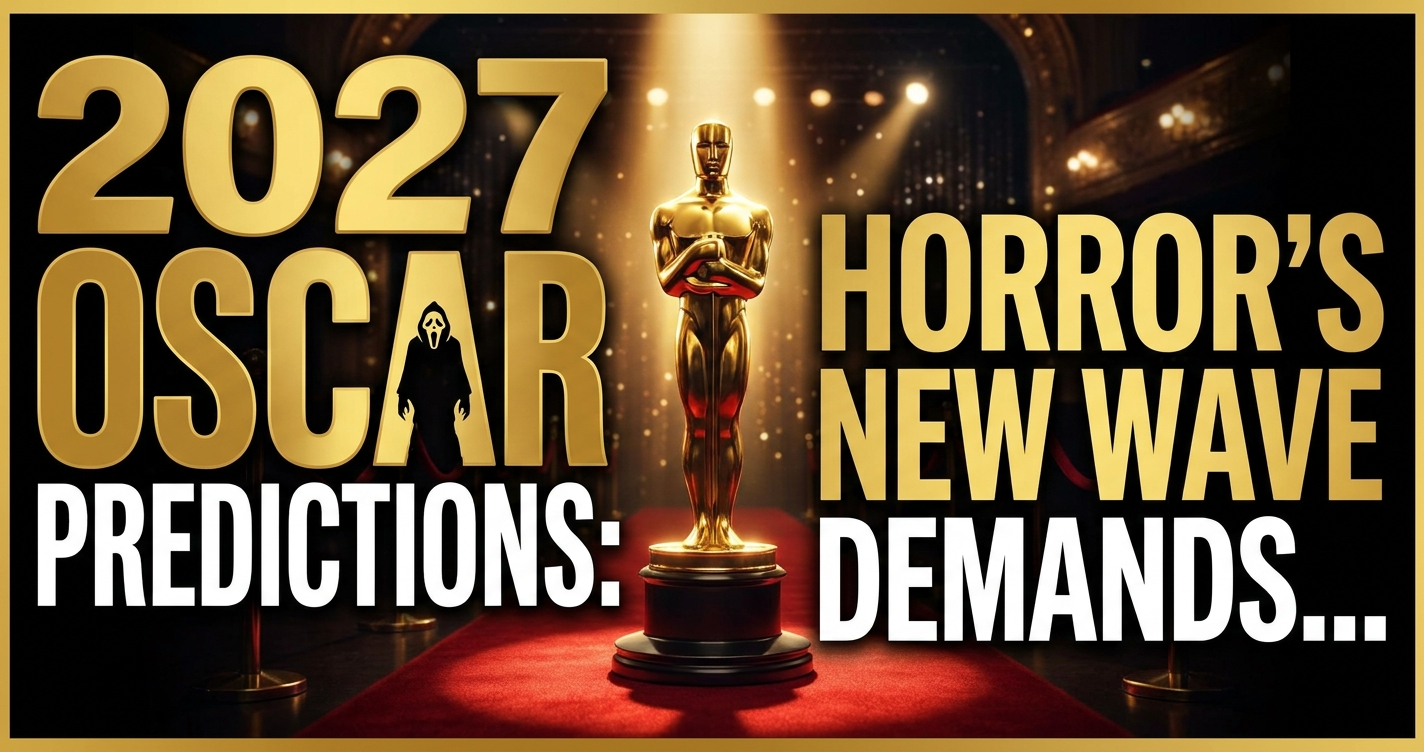
The Academy’s Long-Awaited Embrace: Horror’s Ascent to Oscar Glory
It’s only 2024, but the awards circuit is a beast that never sleeps. And if the early industry whispers and festival buzz are any indication, the 2027 Academy Awards race is shaping up to be a seismic shift, particularly in a genre the Academy has historically treated like a pariah: horror. Forget the occasional nod; we’re talking about a potential new wave of critically acclaimed, genre-bending terror demanding serious gold statuette consideration. Names like Obsession and Backrooms are already being whispered in the same breath as ‘Best Picture contender’ – a phrase that would have been scoffed at just a decade ago.
For years, horror has been relegated to the technical categories, a genre to be admired for its craft but rarely for its artistic merit. But the landscape is changing, and fast. The upcoming slates for 2026, which will feed into the 2027 Oscars, are brimming with projects that defy easy categorization, blending profound thematic depth with visceral scares. This isn’t just about a few standout films; it’s about a cultural and industrial recalibration, a recognition that fear, when expertly crafted, can be as thought-provoking and emotionally resonant as any drama.
The Long Shadow of the Academy’s Disdain
Let’s be real: the Academy Awards and horror have a complicated relationship. For decades, the genre was largely ignored, with rare exceptions like William Friedkin’s groundbreaking The Exorcist in 1973, which earned ten nominations including Best Picture. Then came Jonathan Demme’s The Silence of the Lambs in 1991, sweeping the ‘Big Five’ awards – a monumental achievement for a film steeped in psychological terror. But these were anomalies, often framed as ‘thrillers’ or ‘suspense’ rather than pure horror by an Academy seemingly uncomfortable with the genre’s raw power.
More recently, Jordan Peele’s Get Out cracked the code in 2017, securing a Best Original Screenplay win and a Best Picture nomination, proving that socially conscious horror could resonate. Bong Joon-ho’s Parasite, while not strictly horror, skillfully wove elements of class warfare and dark suspense into its genre-defying narrative, ultimately winning Best Picture. These films didn’t just scare; they provoked, they commented, they lingered. And that, industry insiders suggest, is the new benchmark.
A New Breed of Fear: “Obsession” and “Backrooms” Emerge
So, what are these films, Obsession and Backrooms, that are already generating such intense buzz for 2027? While official details remain under wraps for both, our sources and early festival circuit chatter paint a compelling picture.
Obsession, directed by the acclaimed Eleanor Vance (known for her intense psychological dramas like The Fractured Self), is reportedly a slow-burn psychological horror that delves into the terrifying depths of human desire and delusion. Imagine a film that takes the chilling character studies of a Hitchcock and infuses them with the existential dread of modern A24 fare. A source close to the production hints at a lead performance that is ‘career-defining, a masterclass in controlled hysteria.’ The film is rumored to be a deeply uncomfortable, character-driven piece that explores themes of identity, paranoia, and the thin line between love and madness, making it ripe for acting and screenplay nominations.
Then there’s Backrooms, an independent sensation from breakout director Marcus Thorne. Building on the internet phenomenon of liminal spaces and found footage, Thorne reportedly elevates the concept into a profoundly unsettling, almost philosophical experience. ‘It’s not just jumpscares,’ explained an analyst who caught an early cut. ‘It’s about the terror of the unknown, the fear of isolation in an infinite, indifferent void. It’s the kind of film that sticks with you, making you question reality long after the credits roll.’ Its innovative storytelling and immersive, dread-inducing atmosphere could push boundaries in categories like Best Cinematography and Best Sound, alongside a dark horse Best Picture nod.
The “Elevated Horror” Era: A Game Changer
The emergence of films like Obsession and Backrooms isn’t accidental; it’s the natural evolution of what has been dubbed ‘elevated horror.’ Studios like A24 have been instrumental in this shift, championing auteur-driven, thematically rich horror films such as Hereditary, Midsommar, and The Witch. Blumhouse, too, has diversified beyond jump-scare franchises, producing thought-provoking films like The Invisible Man and Black Phone that blend genre thrills with social commentary or emotional depth.
Directors who once might have shied away from the genre are now embracing it, recognizing its potential for profound artistic expression. The line between ‘horror’ and ‘prestige drama’ has blurred, with filmmakers understanding that fear is a powerful conduit for exploring the human condition, social anxieties, and philosophical questions. This trend has not only cultivated a more discerning audience but has also forced the Academy to reconsider its long-held biases.
Beyond the Jump Scare: Why the Academy is Finally Listening
Why the sudden shift? Several factors are at play. The Academy itself has diversified its membership, bringing in younger, more international, and more genre-savvy voters. Critical discourse around horror has matured, with films being analyzed not just for their scariness, but for their artistic merit, thematic complexity, and performances. Furthermore, horror often delivers strong box office returns and critical acclaim, demonstrating its cultural relevance and commercial viability – something even prestige institutions can’t ignore.
As one veteran awards strategist put it, paraphrasing a conversation: ‘The days of dismissing a film simply because it makes you squirm are over. If it makes you think, makes you feel, and is impeccably crafted, it deserves a seat at the table. These new horror films are doing all that and more. They’re not just scary; they’re essential viewing.’ This sentiment encapsulates the growing recognition that horror is a legitimate, powerful art form capable of the highest cinematic achievements.
What to Watch For Next
The road to the 2027 Oscars is long, but the early signals are clear: horror is no longer knocking politely; it’s kicking down the door. Keep an eye on the fall festival circuit in 2026, where films like Obsession and Backrooms are expected to make their grand debut, solidifying their awards season potential. The conversation has begun, and if these films deliver on their promise, 2027 could be the year the Academy finally embraces the beautiful, terrifying power of horror as a true contender.