Tim Burton Says ‘No’ to More Halloween Town: A Stand Against IP Exploitation?
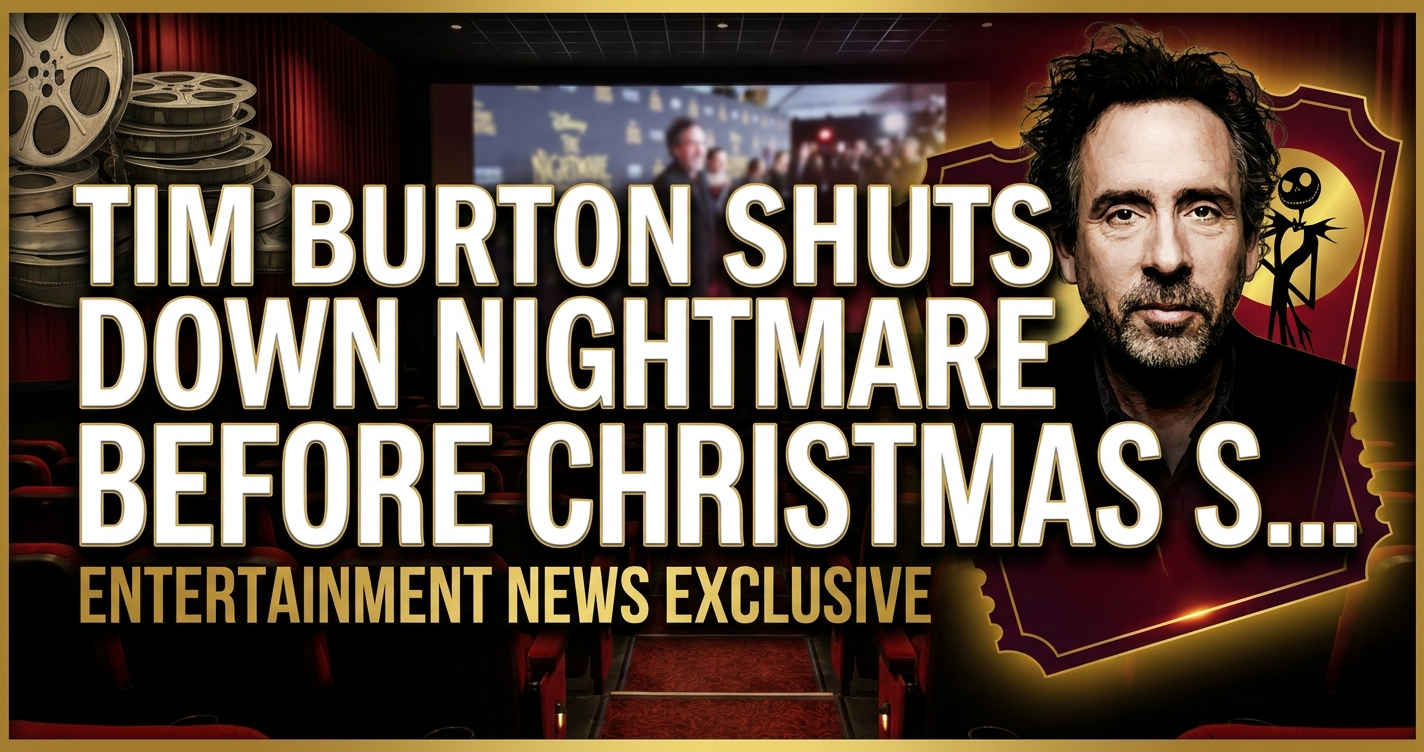
In an industry increasingly obsessed with resurrecting beloved franchises, one of Hollywood’s most distinctive voices, Tim Burton, has once again drawn a definitive line in the sand. Burton has reportedly reiterated his long-held disinterest in developing a sequel or reboot to his iconic 1993 stop-motion classic, The Nightmare Before Christmas. For fans perpetually dreaming of more adventures with Jack Skellington and Sally, this news, while not entirely surprising, serves as a stark reminder of Burton’s commitment to artistic finality amidst a sea of endless IP exploitation.
The ghoulish charm of Halloween Town, the unforgettable songs, and the unique blend of macabre and heartwarming storytelling have cemented The Nightmare Before Christmas as a perennial favorite, particularly during the Halloween and Christmas seasons. Its enduring appeal has fueled decades of merchandising success and a constant clamor from fans and, undoubtedly, studio executives for a return trip. But Burton, ever the idiosyncratic maestro, seems content to let sleeping skeletal dogs lie.
A Masterpiece Untouched: Burton’s Creative Integrity
Burton’s stance isn’t new. He has consistently maintained that the story of Jack Skellington discovering Christmas and ultimately returning to his rightful place in Halloween Town felt complete. Paraphrasing his past comments, Burton has often expressed that the film is a self-contained narrative, a singular moment in time that doesn’t necessitate further chapters. This perspective stands in stark contrast to the prevailing winds of Hollywood, where a successful property is almost immediately earmarked for expansion, whether through sequels, prequels, spin-offs, or reboots.
For a filmmaker known for crafting unique, often melancholic, and visually distinct worlds, this commitment to a finished piece speaks volumes about his creative integrity. In an era where even the most sacred cinematic cows are milked for every last drop of nostalgia – think recent entries in the Indiana Jones or Matrix sagas – Burton appears to value the purity of his original vision over the potential for massive box office returns.
The Selick Factor: A Director’s Vision
It’s crucial to remember that while The Nightmare Before Christmas is often attributed to Burton, the film was directed by the equally brilliant stop-motion artisan, Henry Selick. Selick’s meticulous craftsmanship brought Burton’s designs and story to life. Selick himself has gone on to direct other acclaimed stop-motion features like Coraline and, more recently, Wendell & Wild. While Selick’s involvement might open a theoretical door for a sequel without Burton’s direct creative input, the cultural cachet and distinct aesthetic are so deeply intertwined with Burton’s brand that any continuation without his blessing would likely feel inauthentic to many.
Disney’s IP Machine: The Lure of Jack Skellington
Despite Burton’s clear disinterest, the allure of The Nightmare Before Christmas for Disney must be immense. The film is a merchandising juggernaut, generating millions annually through apparel, toys, home goods, and theme park attractions. It’s a foundational piece of their ‘alternative’ or ‘spooky’ brand appeal, particularly popular with a demographic that appreciates its gothic charm.
Disney’s corporate strategy in recent years has heavily leaned on leveraging its vast library of intellectual property. From live-action remakes of animated classics to direct-to-streaming sequels like Hocus Pocus 2, the studio rarely leaves a successful stone unturned. DailyDrama sources indicate that while there’s an understanding of Burton’s wishes, the financial temptation to revisit Halloween Town in some form — perhaps a Disney+ series exploring other characters, or a prequel comic series (which already exist) — remains a constant internal discussion. The success of properties like the Toy Story franchise, which has seen multiple sequels and spin-offs, demonstrates the profitability of extending beloved animated stories.
The Fan Divide: To Sequel or Not to Sequel?
The news will likely divide the film’s passionate fanbase. On one side are those who desperately crave more content from Halloween Town, eager to see what new misadventures Jack and Sally might encounter. On the other are purists who believe the original film is perfect as is, fearing that a sequel or reboot could tarnish its legacy, much like some feel about certain entries in the Star Wars saga or the recent Indiana Jones and the Dial of Destiny.
There’s a delicate balance between giving fans what they want and preserving the integrity of a cherished work. Burton’s stance prioritizes the latter, a refreshing perspective in an industry often driven solely by quarterly earnings reports.
What’s Next for Burton (and the IP)?
While Burton is seemingly done with Jack Skellington’s big-screen adventures, he’s certainly not idle. He’s currently in production on Beetlejuice 2, a long-awaited sequel to another one of his beloved films, demonstrating that he isn’t entirely averse to revisiting his own creations, but clearly on his own terms and when he feels there’s a compelling story to tell. His recent work on the hit Netflix series Wednesday also showcased his ability to put a fresh, distinctive spin on existing IP, hinting that perhaps a different kind of ‘Nightmare’ expansion could be possible if it were truly his vision.
For The Nightmare Before Christmas, it seems its cinematic future will remain a singular, perfect entity. But expect Disney to continue exploring ancillary content – comics, books, perhaps even more elaborate theme park experiences – to keep the spirit of Halloween Town alive for generations of fans. As for a direct film sequel or reboot? Don’t hold your breath, at least not with Tim Burton’s blessing. What unique, original vision will Burton conjure next? That’s what DailyDrama.com will be watching for.