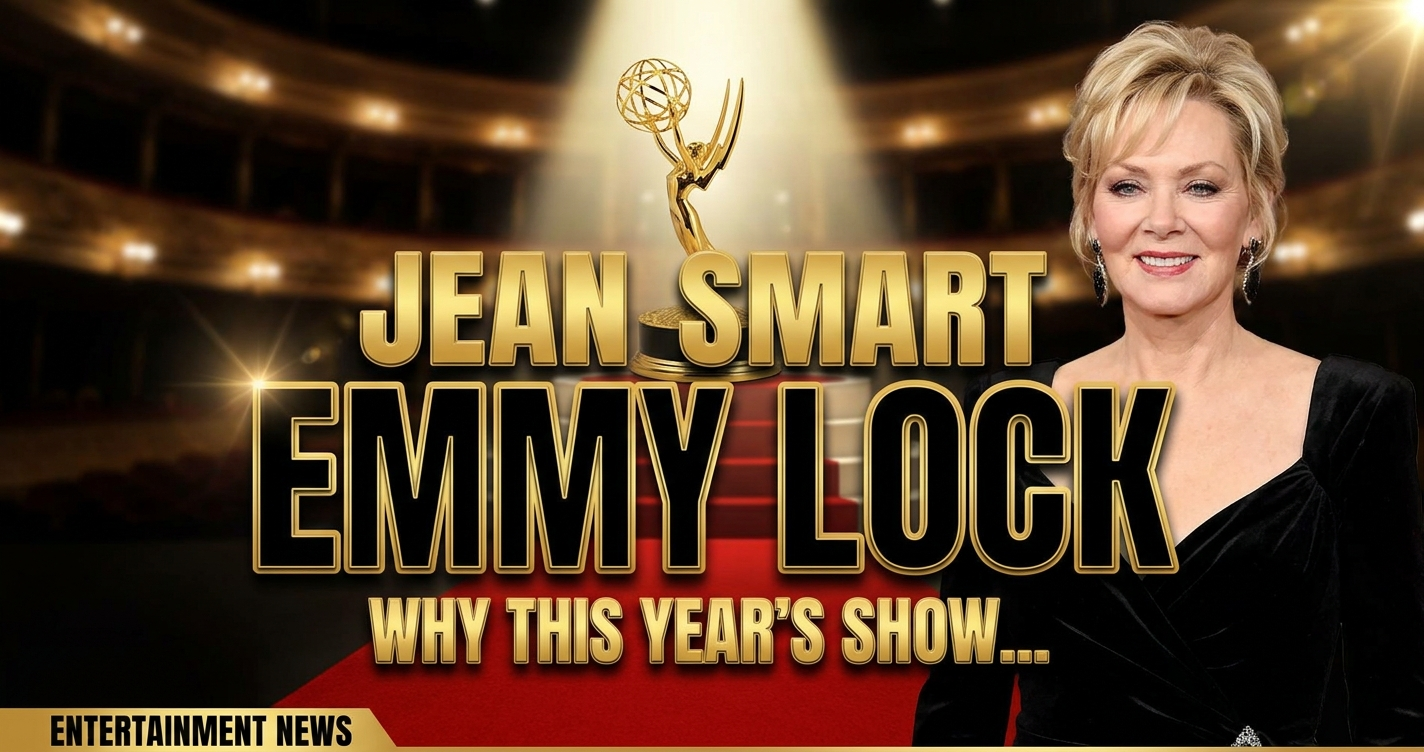
In the high-stakes, often unpredictable world of awards season, there are rare moments when the collective industry whispers coalesce into a roaring certainty. This upcoming Emmy season, all signs point to one such undeniable force: Jean Smart.
It’s not merely a strong prediction; it’s practically a coronation. For her masterful turn in HBO’s acclaimed comedy Hacks, Smart has captivated audiences and critics alike, building an unassailable case for a statuette that, frankly, feels like destiny. While the nominations are still being finalized, the buzz around Smart isn’t just loud—it’s definitive, marking her as the prohibitive favorite in a way few performers achieve. This year, the real drama won’t be in who wins Best Actress in a Comedy Series; it’ll be in what she, and others in similar positions, choose to say when they finally hold that golden winged figure.
The Jean Smart Phenomenon: A Legacy Cemented
Jean Smart is not just an actress; she’s a national treasure. Her career, spanning decades, has seen her transition from sitcom darling (Designing Women) to a formidable dramatic force (24, Fargo, Watchmen) and, most recently, back to comedic brilliance with a dramatic edge in Hacks. Her portrayal of Deborah Vance, a legendary stand-up comedian navigating a changing industry, is a masterclass in nuance, vulnerability, and razor-sharp wit. It’s a role that feels tailor-made for her expansive talent, allowing her to tap into both her comedic timing and dramatic depth.
This isn’t Smart’s first rodeo. With multiple Emmy wins under her belt already – for Samantha Who?, 24, and previously for Hacks – she’s a known quantity to Academy voters. What makes this upcoming win so different, however, is the almost universal consensus. It’s a legacy win, yes, but also a recognition of an artist at the peak of her powers, delivering a performance that resonates deeply within the entertainment industry itself. Sources close to the Academy often speak of ‘performances that demand attention,’ and Smart’s latest work unequivocally falls into that category.
Beyond the Obvious: The Art of the Acceptance Speech
When a winner is as widely anticipated as Smart, the focus of the night shifts dramatically. The suspense moves from ‘who will win?’ to ‘what will they say?’ In an age dominated by viral moments and social media chatter, an acceptance speech is no longer just a thank-you note; it’s a platform, an opportunity, and often, the most memorable part of the entire telecast.
Think back to iconic Emmy speeches: Julia Louis-Dreyfus’s recurring gags for Veep, Sterling K. Brown’s heartfelt ode to representation, or Phoebe Waller-Bridge’s charmingly self-deprecating remarks. These moments transcend the typical ‘thank you to my agent’ script, offering genuine emotion, humor, or poignant observations that become instant cultural touchstones. This year, with several categories potentially featuring similarly ‘locked-in’ winners – Stephen Colbert for Late Night, for instance, a perennial favorite – the pressure is on for these seasoned pros to deliver more than just gratitude.
A veteran publicist, speaking off the record, recently quipped, “For some of these categories, we’re not campaigning for the win anymore; we’re workshopping the speech. That’s where the real impact is made now, especially for the folks everyone expects to take home gold.” It speaks volumes about the evolving nature of awards shows.
The Emmys as a Celebration, Not Just a Competition
While some argue that predictable outcomes diminish the excitement of an awards show, others contend that it allows for a different kind of appreciation. When the tension of competition is lessened, the focus can sharpen on celebrating artistry, acknowledging career achievements, and appreciating the craft. Jean Smart’s expected win is less about a nail-biting race and more about a collective nod of approval from an industry recognizing one of its finest.
This dynamic also places a greater emphasis on the show’s host and presenters to keep the energy flowing. A charismatic host like a Stephen Colbert (who, if he wins, will likely deliver a memorable speech himself) becomes even more crucial in guiding an evening that, for certain segments, feels more like a celebratory roast than a fierce contest. The Emmys become a mirror, reflecting what the industry truly values: not just breakout stars, but enduring talent and compelling storytelling.
What to Watch For Next
As the Emmy nominations loom, keep an eye not just on who makes the cut, but on the narratives forming around the frontrunners. Will any dark horses emerge to challenge the perceived locks? More importantly, how will these celebrated artists prepare to use their moment in the spotlight? This year’s Emmys promise to be a fascinating study in legacy, performance, and the unexpected power of a well-delivered speech.