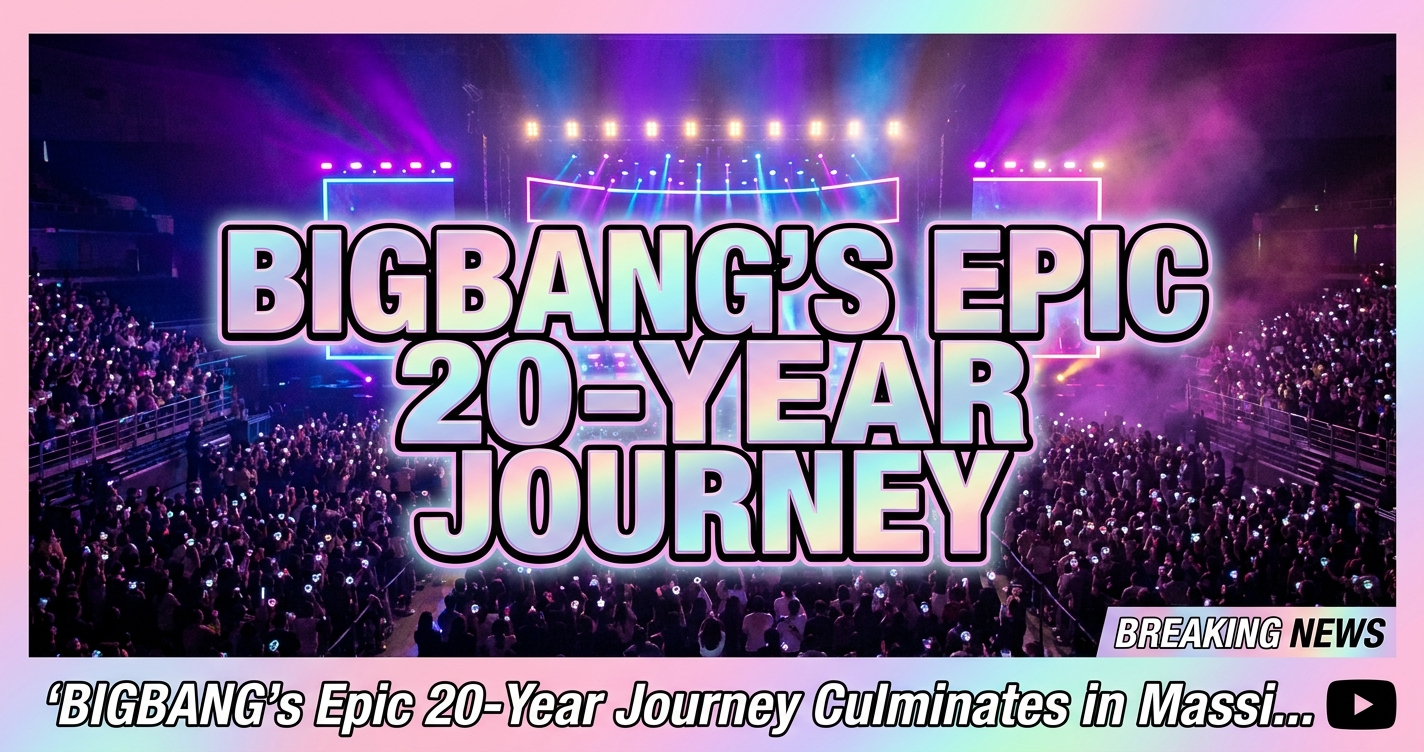
BIGBANG’s Global Encore: K-Pop Kings Mark 20 Years with Stadium Tour
The murmurs have turned into a roar. After years of speculation, a memorable return to the stage, and an undeniable craving from fans worldwide, K-pop titans BIGBANG have officially announced a sprawling 31-date stadium tour across Asia to celebrate their 20th anniversary. This isn’t just another concert series; it’s a testament to unparalleled longevity, resilience, and an enduring legacy that has shaped the very fabric of global pop culture.
For those of us who’ve watched the K-pop industry evolve from a niche curiosity to a global phenomenon, BIGBANG’s journey has been nothing short of extraordinary. Debuting in 2006 under YG Entertainment, they weren’t just idols; they were artists who broke the mold, infusing hip-hop, R&B, and electronic music with a swagger and authenticity that felt revolutionary. Their influence is so pervasive that you can trace elements of their sound, fashion, and performance style in countless groups that followed.
From Trailblazers to Legends: A Two-Decade Reign
BIGBANG didn’t just walk so other K-pop groups could run; they built the highway. Tracks like “Haru Haru,” “Fantastic Baby,” and “BANG BANG BANG” weren’t just hits; they were cultural touchstones that transcended language barriers long before “Gangnam Style” went viral. They were the first K-pop group to consistently sell out arenas and stadiums globally, proving the genre’s international viability and paving the way for acts like BTS and BLACKPINK.
Their story, however, isn’t without its challenges. The K-pop industry is notoriously demanding, and BIGBANG navigated its unique pressures, including mandatory military enlistments and high-profile controversies that led to the departure of members Seungri and T.O.P. Many pundits, myself included, wondered if the group, reduced to a trio of G-Dragon, Taeyang, and Daesung, could ever reclaim their former glory. The conventional wisdom for K-pop groups is that such setbacks are often insurmountable, leading to quiet disbandments.
The Coachella Catalyst: Proving Enduring Power
Enter Coachella 2022. Their surprise reunion performance, a triumphant return to the stage after a four-year hiatus, silenced the skeptics. With just four members – T.O.P was present for this one – they proved their stage presence was undiminished, their charisma magnetic, and their hits timeless. The crowd’s reaction was ecstatic, a clear signal that the demand for BIGBANG remained potent. It was more than a performance; it was a powerful statement: BIGBANG still mattered, and their legacy was far from over.
That Coachella set wasn’t just a one-off; it was a strategic reintroduction, a litmus test for a potential larger comeback. Industry insiders at the time whispered about the logistical complexities of a full tour, especially with G-Dragon and Taeyang deeply involved in their solo ventures and respective fashion empires. Yet, the energy from that single performance evidently solidified the path forward for this 20th-anniversary celebration.
A New Era, A Familiar Roar: What to Expect from the Tour
The upcoming 31-date stadium tour, primarily focused on their incredibly loyal Asian fanbase, is a massive undertaking. The decision to embark on such an extensive tour as a trio – G-Dragon, Taeyang, and Daesung – speaks volumes about their confidence in their current dynamic. Fans can expect a curated setlist that spans their two-decade career, from their early hip-hop-infused tracks to their later, more experimental pop anthems. The visual spectacle, a BIGBANG hallmark, is also sure to be pushed to new limits, reflecting their status as trendsetters.
It’s also a shrewd business move. Legacy acts, particularly those with a fiercely devoted fanbase like BIGBANG’s VIPs, are incredibly lucrative. In an era where music consumption is fragmented, live experiences offer unparalleled connection and revenue. This tour isn’t just about nostalgia; it’s about solidifying their place in the pantheon of global music legends.
Beyond the Stage: BIGBANG’s Unmatched Influence
The announcement also has wider implications for the K-pop industry. It challenges the conventional narrative of idol group lifespans, proving that with talent, strategic management (and perhaps a little bit of defiance), groups can evolve and thrive even after significant changes. It also highlights the growing trend of “reunion tours” or “anniversary tours” becoming major events for established acts, mirroring trends seen in Western music.
Individually, G-Dragon continues to be a global fashion icon and music innovator, Taeyang has carved out a successful solo R&B career, and Daesung has showcased his versatility across music and entertainment. Their collective return to the BIGBANG stage amplifies their individual brands while reinforcing the power of the original group that launched them.
What to watch for next: Will this initial Asian leg be followed by dates in North America and Europe? And could this tour pave the way for new music from the trio, further cementing their new chapter? One thing is certain: the Kings of K-pop are back, and the industry is watching.