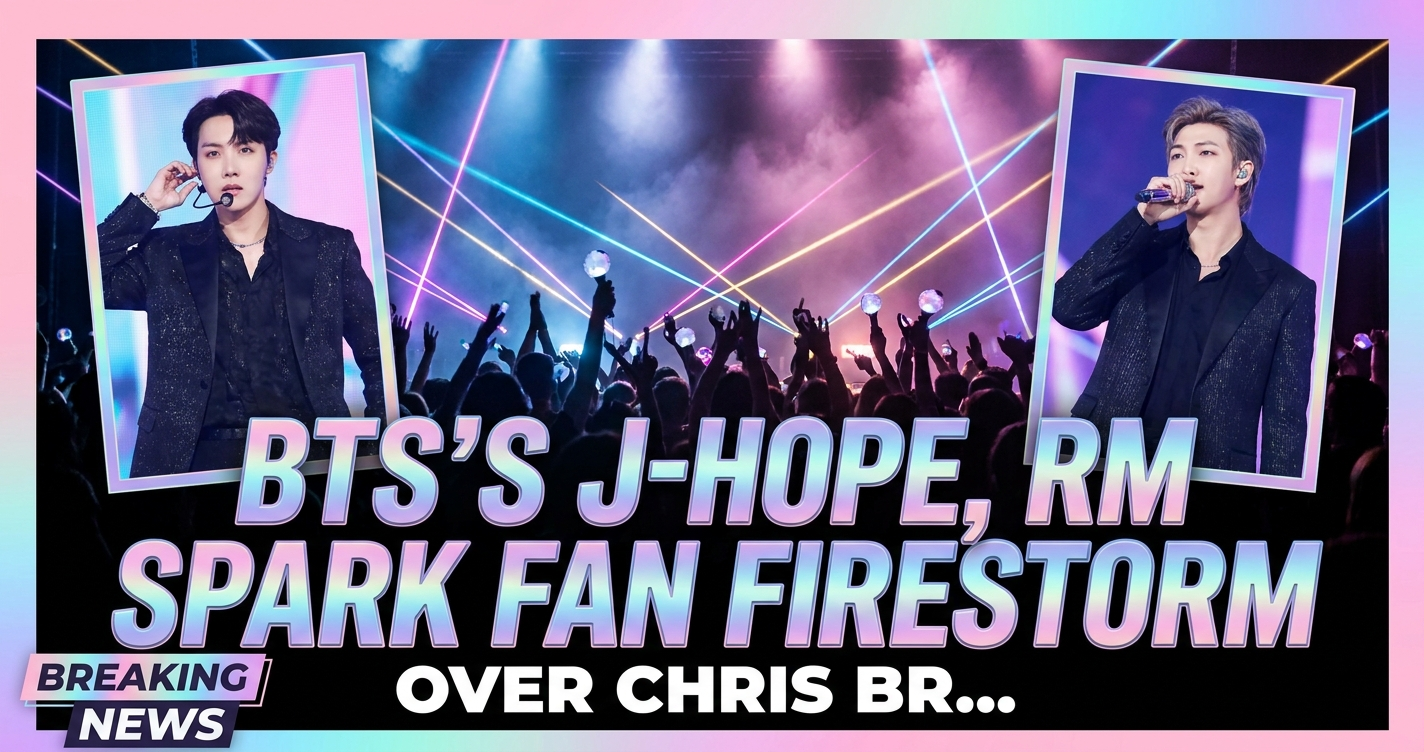
The usually unshakeable world of BTS has been rocked by an unexpected wave of fan outrage, following reports that members J-Hope and RM were spotted attending a Chris Brown concert. The incident, which reportedly occurred during a brief break from their monumental 2026 ‘Arirang World Tour’ stop in Baltimore, Maryland, has sent shockwaves through the ARMY fandom and ignited fierce debate across social media platforms. For an act as meticulously managed and globally revered as BTS, any association, perceived or otherwise, with a figure as controversial as Chris Brown carries significant weight.
The Unsettling Alliance: Why Fans Are Fuming
The core of the backlash isn’t just about two global superstars enjoying a concert; it’s about the stark contrast between BTS’s carefully cultivated image and Chris Brown’s well-documented history of domestic violence and other public controversies. BTS, particularly in recent years, has become synonymous with messages of self-love, mental health advocacy, and social justice. Their ‘Love Yourself’ campaign, in partnership with UNICEF, cemented their status as conscientious global citizens. For many fans, especially the fiercely loyal ARMY, seeing J-Hope and RM, two pillars of the group, seemingly endorse or even just casually associate with an artist like Brown feels like a betrayal of those values.
Social media exploded with reactions, ranging from disappointment to outright anger. One widely circulated comment, paraphrased from fan forums, encapsulated the sentiment: “That’s their problem to be blind. We expect more from artists who preach love and respect.” This isn’t just about musical taste; it’s about moral alignment. Fans feel a deep, almost familial connection to BTS, and that connection comes with an expectation of ethical conduct that extends beyond the stage.
K-Pop’s Strict Scrutiny and Brand Management
This incident throws a harsh spotlight on the unique pressures faced by K-pop idols. Unlike many Western artists who are often granted more leeway for personal choices, K-pop stars operate under an intensely scrutinized microscope. Agencies like HYBE (formerly Big Hit Entertainment), which manages BTS, invest enormous resources into building and maintaining pristine public images for their artists. Every action, every association, is meticulously weighed for its potential impact on brand value and fan loyalty.
Historically, K-pop idols have faced severe repercussions for far less. Dating scandals, minor traffic violations, or even perceived disrespect can lead to widespread condemnation, loss of endorsements, and even career termination. While J-Hope and RM’s appearance at a concert isn’t a scandal in the traditional sense, it touches a nerve with the moral fabric that underpins BTS’s global appeal. It forces HYBE into a tricky position, balancing artist autonomy with fan expectations and brand protection.
Consider the meticulous rollout of BTS’s solo projects over the past couple of years, like J-Hope’s Jack in the Box and RM’s Indigo. These albums were lauded not only for their musicality but for their authentic, introspective narratives. An incident like this, even if minor in the grand scheme, can subtly chip away at that carefully constructed authenticity, especially when a reunion tour like the ‘Arirang World Tour’ is meant to celebrate their collective legacy.
The Broader Industry Context: Celebrity Associations and Backlash
This isn’t an isolated phenomenon in the entertainment industry. Celebrities frequently face backlash for associations deemed inappropriate by their fanbases or the public. From collaborations with controversial figures to attending events with questionable hosts, the line between personal and professional conduct is constantly blurring for public figures. However, for a group like BTS, whose success is so deeply intertwined with a passionate, socially conscious fanbase, the stakes are significantly higher.
The K-pop industry, in particular, has seen several artists navigate choppy waters concerning public perception. Whether it’s the ‘Burning Sun’ scandal that implicated several idols in serious crimes or lesser controversies involving ‘problematic’ social media likes, the industry has a low tolerance for anything that tarnishes an artist’s moral standing. While J-Hope and RM’s attendance at a concert is far from these extreme examples, it highlights the unique vulnerability of K-pop’s carefully crafted image to external influences.
What’s Next: Damage Control or Silence?
As the ‘Arirang World Tour’ continues its North American stadium leg, all eyes will be on HYBE and the BTS members. Will there be a statement addressing the fan concerns? Or will the agency opt for silence, hoping the storm blows over? The latter is a common strategy in K-pop, but with a fanbase as vocal and influential as ARMY, silence can sometimes be interpreted as indifference, further fueling dissatisfaction.
The incident also raises questions about the evolving dynamics between artists and their fanbases in the digital age. Fans feel a sense of ownership, a right to weigh in on their idols’ choices, especially when those choices appear to contradict the values they embody. For J-Hope and RM, this moment serves as a stark reminder that their individual actions are rarely perceived as truly separate from the collective identity of BTS, particularly when they are in the midst of a highly anticipated global reunion.
Looking Ahead: Navigating the Aftermath
The ‘Arirang World Tour’ is a testament to BTS’s enduring power and global appeal, a triumphant return after a period of solo endeavors and military service for some members. Incidents like the Chris Brown concert appearance, however, underscore the delicate balance artists must maintain between personal freedom and public image. How HYBE and the members choose to navigate this controversy could set a precedent for how future K-pop acts handle similar ethical dilemmas.
For now, fans and industry watchers alike will be scrutinizing every move, every social media post, and every public appearance. The hope is that this moment, rather than creating a lasting rift, becomes an opportunity for reflection and reaffirmation of the values that have made BTS the global phenomenon they are today. The ‘Arirang World Tour’ is far from over, and the narrative around BTS’s reunion is still being written, with every decision now under an even brighter spotlight.