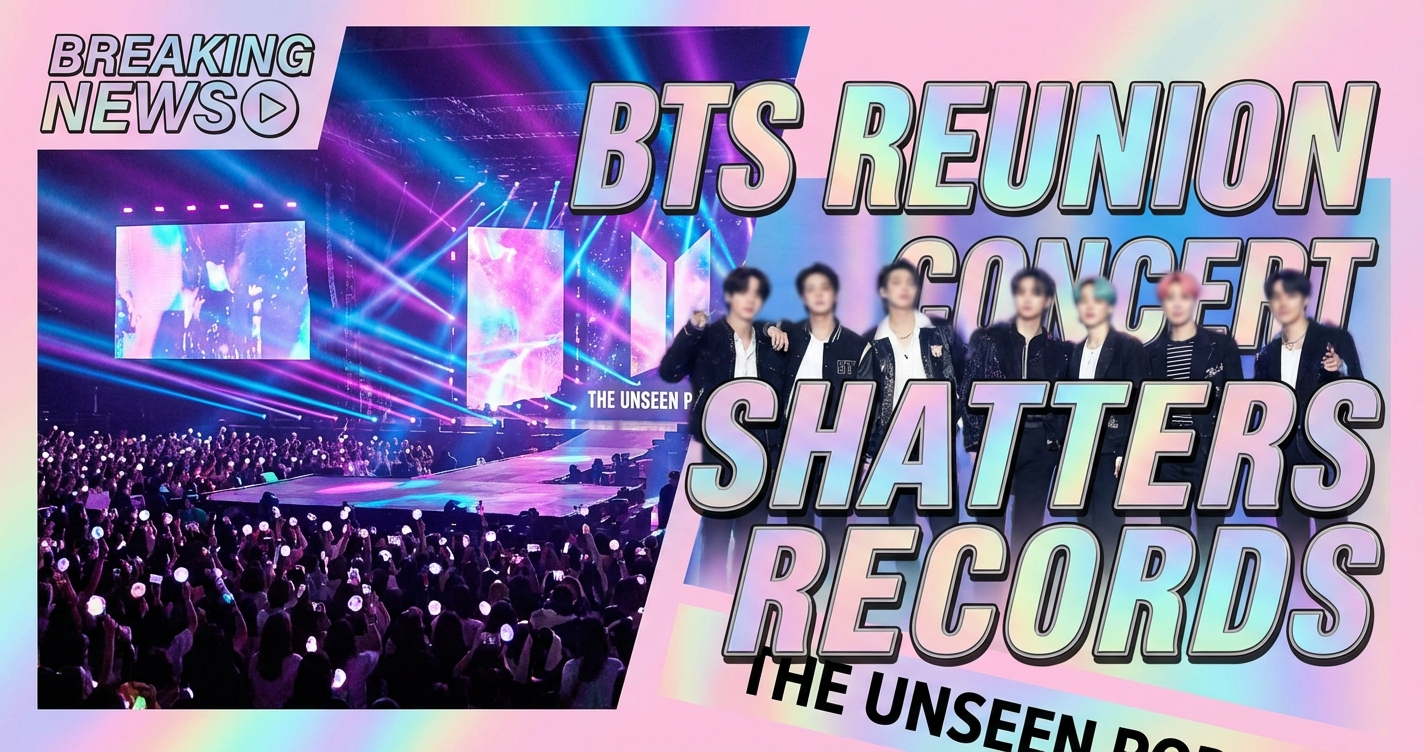
BTS Reunion Concert Shatters Records: The Unseen Power of ARMY
Make no mistake: when BTS reunites, the world watches. And this past weekend, 18.4 million pairs of eyes – by Netflix’s count – were locked onto screens globally, witnessing the seven-member phenomenon perform together for the first time since October 2022. It wasn’t just a concert; it was a seismic event, a clear declaration that even amidst solo projects and mandatory military service, the collective power of BTS remains an unparalleled force in entertainment.
For those of us who’ve been tracking K-pop’s meteoric rise for years, this number isn’t just impressive; it’s a reaffirmation of a truth many have tried to downplay: BTS is not just a band, they’re a cultural institution. The livestreamed show, a strategic move to keep the group’s global momentum alive during a period of individual pursuits, proved to be a masterclass in fan engagement and a testament to the enduring, almost gravitational pull of the Bangtan Boys.
The Undeniable Pull of Seven (Even If Temporarily Six)
The 18.4 million figure isn’t merely a statistic; it’s a narrative. It speaks to the fierce loyalty of the BTS ARMY, a fandom so dedicated it consistently breaks records, mobilizes for social causes, and drives cultural conversations worldwide. This wasn’t a full-blown comeback in the traditional K-pop sense, signaling a new album and extensive promotions. Instead, it was a precious, albeit temporary, reunion – a strategic pause in their individual journeys to remind the world of their collective synergy. And the fans, hungry for that group dynamic, showed up in droves.
Consider the context: most K-pop groups struggle to maintain relevance during extended hiatuses, especially when members embark on solo careers or fulfill military duties. Yet, BTS seems to operate by a different set of rules. Their solo releases, like Jungkook’s chart-topping tracks or Jimin’s critically acclaimed efforts, have only served to expand their individual artistry and, arguably, deepen the anticipation for their eventual full reunion. This Netflix event capitalized on that yearning, offering a tantalizing glimpse of what’s to come, and proving that the sum of their parts is still exponentially powerful.
Netflix’s Strategic Play in the Live Music Arena
Netflix’s decision to host such a high-profile, global live music event is incredibly telling. While the streamer has been dabbling in live programming – from Chris Rock’s stand-up special to the SAG Awards – securing BTS is a whole different ballgame. It signals a serious intent to capture a slice of the lucrative live entertainment market, one traditionally dominated by broadcasters, dedicated music platforms, and even YouTube.
For Netflix, the investment in BTS makes perfect sense. They gain exclusive, globally relevant content that drives subscriptions and showcases their technical capability to handle massive simultaneous viewership. As industry analysts we’ve spoken with have noted, platforms are constantly searching for “eventized” content – moments that compel viewers to tune in at a specific time, creating buzz and a shared cultural experience. A BTS reunion concert is the epitome of such an event, drawing an audience that might not typically engage with Netflix’s other live offerings.
This move isn’t just about K-pop; it’s about the future of content distribution. Netflix is positioning itself as a legitimate player in the live sphere, directly competing with traditional networks and even platforms like Amazon Prime Video, which has also been aggressively pursuing live sports and music. The success of this BTS stream could very well be a blueprint for future collaborations with other global music titans, changing how we consume concerts forever.
K-Pop’s Global Hegemony and the Future of Fan Engagement
The 18.4 million global viewers figure also powerfully underscores K-pop’s undeniable global hegemony. What started as a niche genre has exploded into a mainstream cultural phenomenon, largely thanks to groups like BTS breaking down linguistic and cultural barriers. Their ability to connect directly with fans through social media, personalized content, and now, global live streams, has revolutionized fan engagement.
This isn’t just about catchy tunes and synchronized choreography; it’s about a meticulously crafted ecosystem that fosters deep, personal connections between artists and their audience. HYBE, BTS’s agency, has been at the forefront of this, leveraging platforms like Weverse to create direct communication channels, offering exclusive content, and building a community that transcends geographical boundaries. The Netflix concert is simply another, albeit massive, extension of this strategy.
The industry takeaway is clear: artists and labels must adapt to a world where fan loyalty is built through consistent, innovative engagement, and where global reach is not just an aspiration but an expectation. The BTS model, perfected over years, shows that even during periods of group inactivity, a well-executed strategy can not only maintain but amplify a band’s influence.
What to Watch For Next
The success of this Netflix event will undoubtedly have ripple effects. Expect more streaming platforms to aggressively pursue exclusive live music deals with top-tier artists, especially those with established global fanbases. For BTS, this reunion was a powerful reminder of their collective strength and a tantalizing taste of what’s to come when all members complete their service. The anticipation for their full, long-awaited comeback has only intensified. One thing is certain: the entertainment landscape, shaped by digital innovation and the unparalleled devotion of fans, continues to evolve, and BTS is consistently leading the charge.