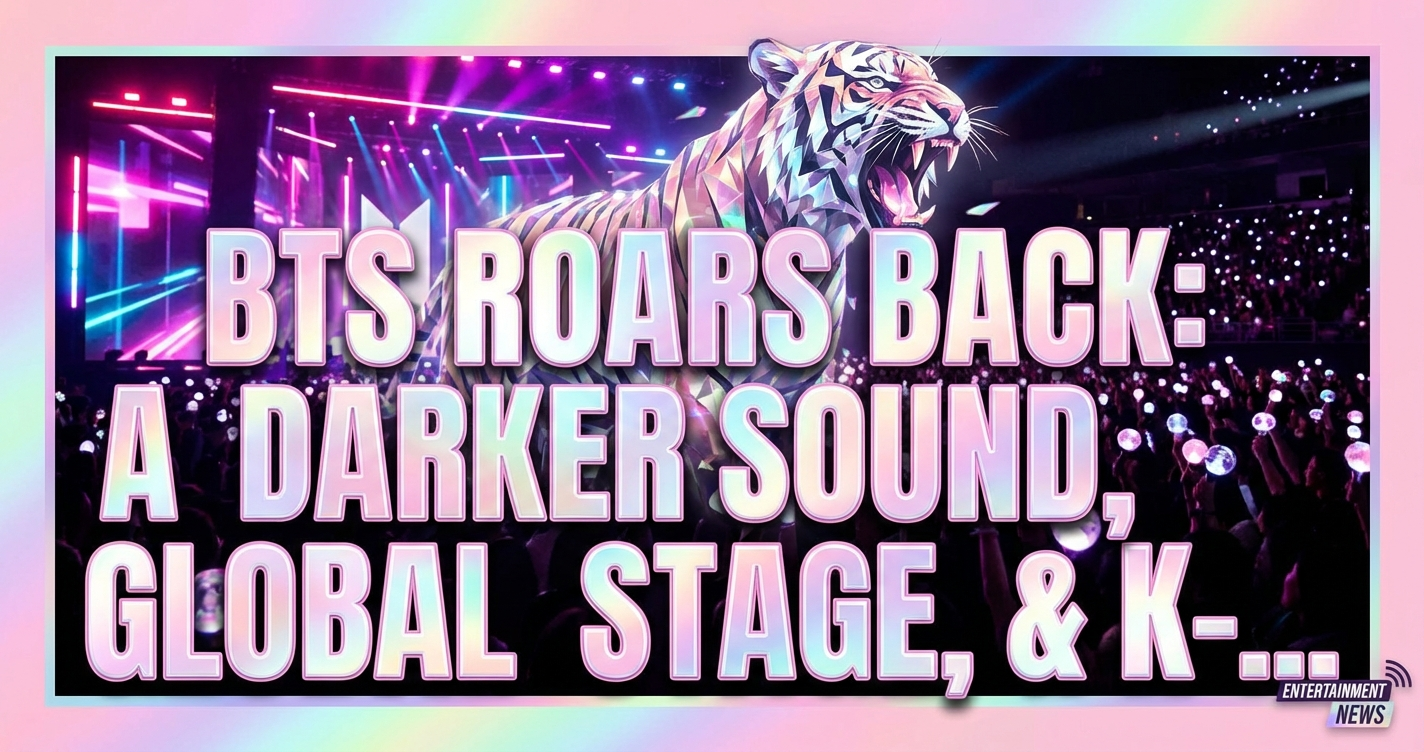
BTS Roars Back: A Darker Sound, Global Stage, & K-Pop’s Evolved Future
Make no mistake: when global phenomenon BTS decides to make a comeback, it’s never just a simple album drop. Their highly anticipated return from a period of individual pursuits and mandatory military service preparations has been meticulously orchestrated, culminating in a new album that hints at a significant artistic shift and a concert spectacle designed for maximum global impact. This isn’t just a return; it’s a re-definition of what K-pop’s biggest act is and where they’re headed.
After a hiatus that saw members explore solo artistry, collaborate with Western stars, and fulfill national duties, the collective re-emergence of BTS was always going to be seismic. What’s clear now is that the group isn’t just picking up where they left off. They’re forging a new path, one that acknowledges their past while boldly stepping into a more mature, perhaps even edgier, phase of their illustrious career. The industry has been watching closely, and the initial signals suggest that the wait was well worth it.
The Sonic Evolution: Darker, Daring, Different
The new album immediately signals a departure from some of their more pop-centric, R&B-infused predecessors. Insiders who’ve had early listens describe a collection of tracks that lean heavily into a darker, cooler, and undeniably rap-influenced sound. This artistic pivot is epitomized by tracks like “2.0,” which industry observers are already dubbing an anthem for this new phase. It’s a bold move for a group that has achieved unparalleled mainstream success with a somewhat broader appeal, but it also reflects a natural progression for artists who’ve been in the game for over a decade.
For long-time fans of BTS, this isn’t entirely new territory. The group’s roots are firmly planted in hip-hop, with early releases showcasing their formidable rap line and lyrical prowess. This return to a more rap-dominant sound can be seen as both a nostalgic nod to their beginnings and a confident stride into a more artistically challenging landscape. It’s a savvy decision that allows them to explore more complex themes and present a more refined, adult image, distinguishing them from the fresh-faced idol groups constantly emerging from the K-pop machine. It also resonates with a global audience increasingly receptive to diverse sounds and authentic artistic expression, echoing the genre-bending trends seen from artists like Travis Scott or even Kendrick Lamar in the Western sphere.
The World’s Stage: Hamish Hamilton & Netflix’s Global Play
Beyond the music, the strategy for their comeback concert was pure global domination. Staged for a worldwide audience and streamed on Netflix, the event was directed by none other than Britain’s Hamish Hamilton. For those unfamiliar, Hamilton is a titan in live event production, the mastermind behind multiple Super Bowl halftime shows – a benchmark for grand-scale televised spectacles. His involvement alone signaled that this wasn’t just a concert; it was a carefully curated global media event.
The concert, while celebrating BTS’s Korean heritage with vibrant cultural displays, was meticulously crafted for universal appeal. This delicate balance of local identity and global accessibility has always been a hallmark of BTS’s success. By leveraging Netflix’s immense reach and Hamilton’s expertise, HYBE, BTS’s agency, ensured that the concert transcended geographical and linguistic barriers, becoming a truly shared global experience. It’s a testament to how far K-pop has come, moving from niche fandom to mainstream cultural currency, with BTS leading the charge in leveraging every available platform to connect with their colossal ARMY.
Beyond the Hiatus: A Strategic Re-Entry
The hiatus, often a perilous period for K-pop groups due to military enlistments and the pressure for individual members to maintain relevance, has proven to be a strategic pause for BTS. Instead of fading from view, each member used the time to cultivate their solo identities, releasing acclaimed albums and collaborating with diverse artists. This period allowed them to grow as individual artists, bringing fresh perspectives and matured skills back to the group dynamic. It’s a powerful counter-narrative to the common industry fear that solo activities weaken the group bond; for BTS, it appears to have strengthened their collective artistry.
This re-entry isn’t just about reclaiming their throne; it’s about redefining it. The new sound, the global concert strategy, and the impending 34-city world tour lasting into next spring all point to a deliberate, calculated evolution. It demonstrates HYBE’s deep understanding of the global music market and BTS’s unique position within it. They’re not just selling music; they’re selling an experience, a cultural phenomenon, and a narrative of artistic growth that resonates deeply with their dedicated fanbase and continues to captivate new audiences.
What This Means for K-Pop and Beyond
BTS’s return sets a new benchmark for comebacks in the global music industry, especially within K-pop. It showcases the immense power of strategic planning, artistic evolution, and leveraging cutting-edge production and distribution channels. For K-pop, it solidifies the genre’s enduring global appeal and its ability to continually innovate and adapt. For the broader music industry, it’s a masterclass in maintaining relevance and expanding influence, even after a period of individual pursuits.
The conversation around their new sound will undoubtedly dominate music forums, while the economic impact of their tour will ripple through dozens of cities. What we’re witnessing is not just a group returning, but a cultural institution recalibrating for its next epoch. Watch closely as the world tour unfolds; it promises to be more than just a series of concerts, but a further declaration of BTS’s enduring power and artistic intent.